Common Women's Health Concerns
Common Women's Health Concerns
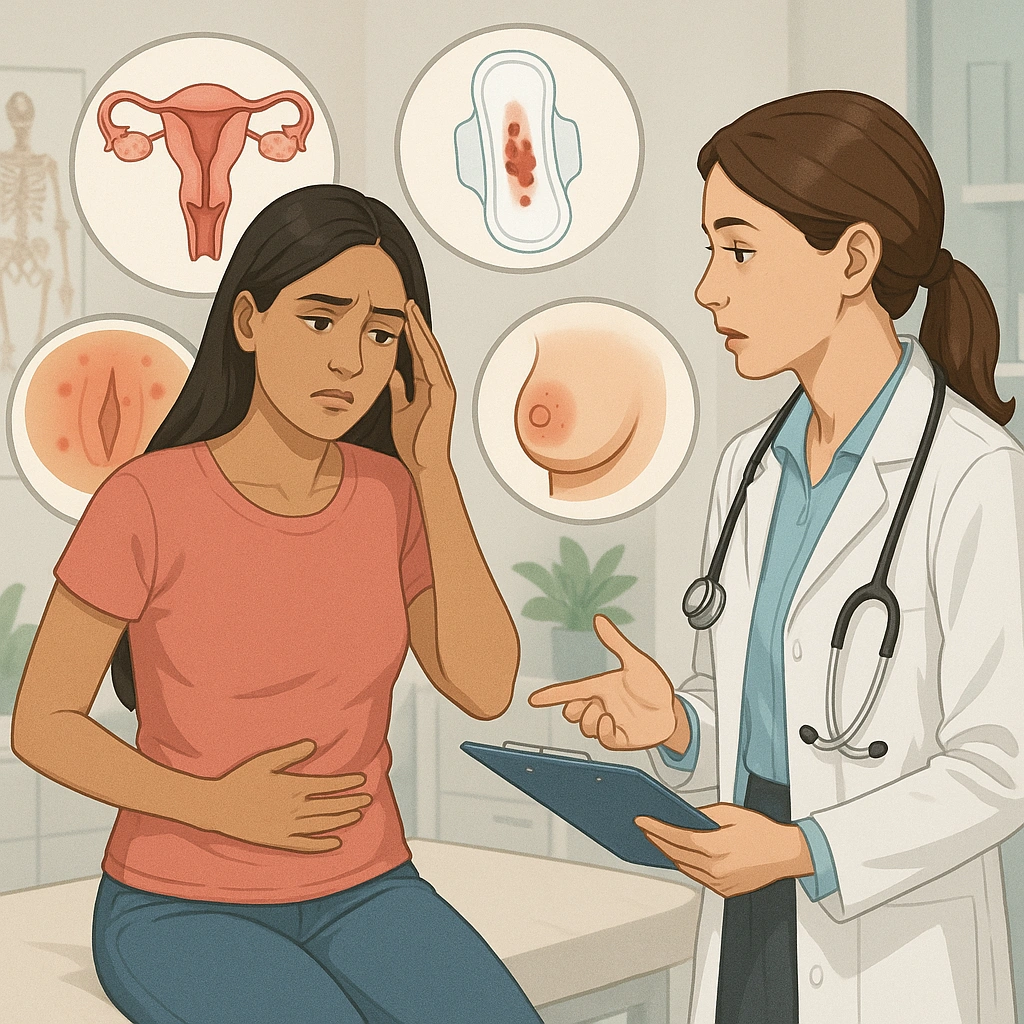
Women’s health encompasses a wide range of issues that can significantly impact quality of life. While every woman’s experience is unique, some health concerns are more prevalent and can benefit from understanding and awareness. Whether it’s reproductive health, mental well-being, or chronic conditions, addressing these issues with a medical professional is crucial for achieving optimal health.
Menstrual Irregularities
Many women experience menstrual irregularities at some point in their lives. For instance, Sarah, a 29-year-old teacher, noticed that her periods became increasingly irregular after she turned 25. These changes were accompanied by significant mood swings and extreme fatigue. After discussing her symptoms with a healthcare provider, Sarah learned that stress and lifestyle factors were contributing to her irregular cycles. Hormonal imbalances can often be identified through simple blood tests, and lifestyle adjustments, including dietary changes and stress management techniques, can help in restoring a balanced menstrual cycle.
Reproductive Health Issues
Concerns related to reproductive health are common and can range from conditions like polycystic ovary syndrome (PCOS) to fibroids and endometriosis. Take the case of Maria, a 35-year-old woman who struggled with pelvic pain and heavy menstrual bleeding for years. After several consultations, she was diagnosed with endometriosis, a condition where tissue similar to the lining inside the uterus grows outside it. Understanding her condition helped Maria take proactive steps towards managing her pain and planning her family. Treatment options varied from hormonal therapy to surgical options, depending on the severity of her symptoms.
Pregnancy and Postpartum Challenges
Pregnancy brings an array of changes, both physical and emotional. Emily, a first-time mother, faced postpartum depression after giving birth. While her initial pregnancy was healthy, she found herself overwhelmed and unable to bond with her newborn. Recognizing the signs was crucial; Emily reached out to her healthcare team, who provided her with the necessary support and resources. Engaging in therapy and joining support groups made a significant difference in her recovery process. It's essential for women to know that these feelings are common and treatable.
Menopause and Hormonal Changes
Menopause, typically occurring between ages 45 and 55, brings about significant hormonal changes that can lead to various physical and emotional symptoms. Linda, 52, experienced hot flashes, night sweats, and mood swings that disrupted her daily life. After consulting with her healthcare provider, she learned about hormone replacement therapy (HRT) and natural alternatives to alleviate her symptoms. Education regarding menopause and available treatments can empower women to make informed decisions about their health as they transition into this stage of life.
Mental Health Concerns
Mental health is a critical component of overall wellness and can be particularly affected by life events and hormonal changes. Christina, a 40-year-old woman, found herself battling anxiety after moving to a new city and changing jobs. With the support of her healthcare provider, she explored therapy options and learned effective coping strategies. Addressing mental health proactively is vital, as untreated conditions can influence physical health and overall quality of life.
Chronic Conditions Impacting Women’s Health
Chronic conditions such as diabetes, autoimmune disorders, and heart disease can affect women differently than men. For example, Jenna, a 38-year-old diagnosed with Type 1 diabetes, faced unique challenges and complications related to her menstrual cycle and pregnancy. Understanding the interplay of chronic diseases and women’s health can lead to better management strategies and outcomes. Regular check-ups and an open dialogue with healthcare providers are imperative for women living with chronic conditions.
Regular Health Screenings
Preventive care is essential in addressing many of the health concerns women face. Routine screenings such as Pap smears, mammograms, and bone density tests are vital for early detection of potential health issues. Women like Karen, who underwent a routine mammogram that discovered early-stage breast cancer, can attest to the life-saving importance of these screenings. Regular appointments allow healthcare providers to monitor health trends, provide education, and create personalized prevention plans.
Women should feel empowered to discuss their health concerns openly and seek appropriate care. By understanding common health issues and advocating for themselves, women can navigate their health journeys with confidence and support.


