How Much Does Insulin Resistance Education Cost?
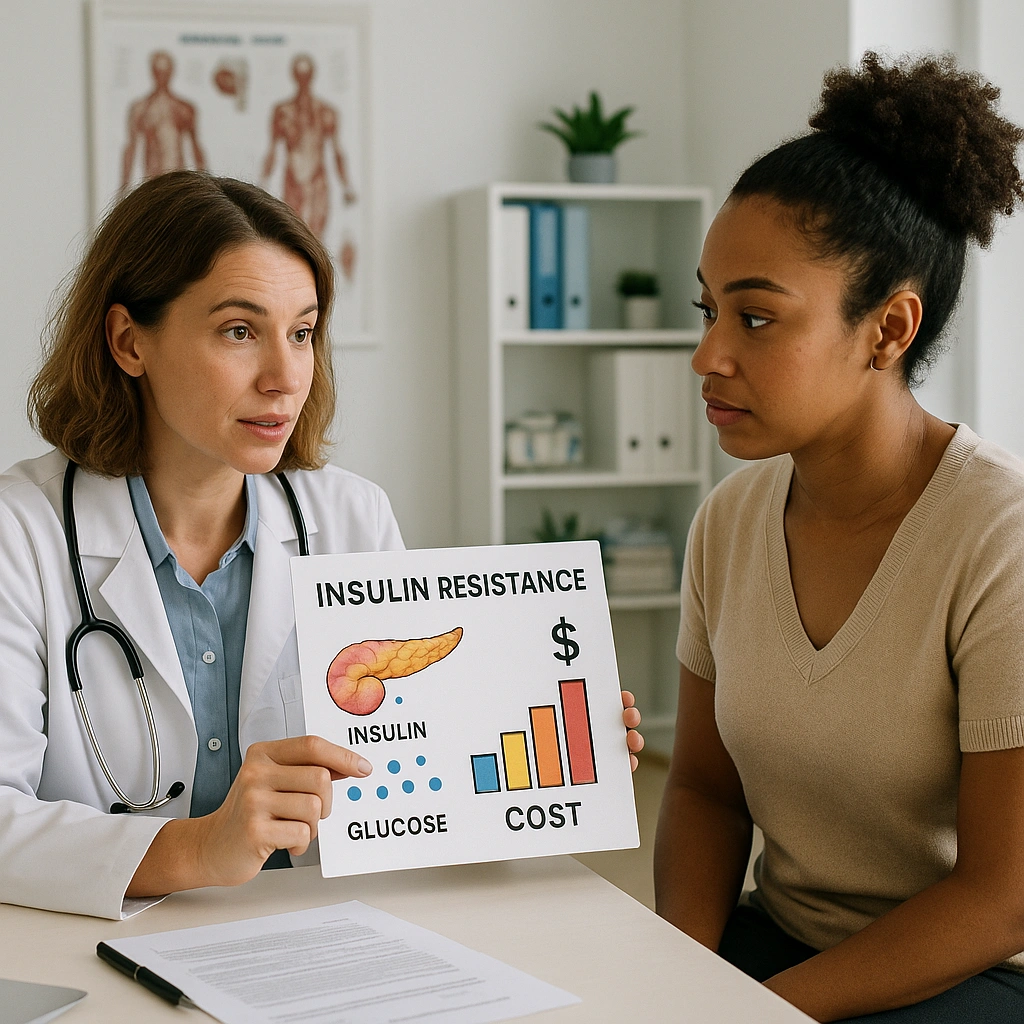
How Much Does Insulin Resistance Education Cost?
Staying healthy: Insulin resistance is a condition where the body's cells no longer respond effectively to insulin, a hormone that helps regulate blood sugar levels. This can lead to various health issues, including prediabetes and type 2 diabetes. Understanding insulin resistance and how to manage it through education is crucial for long-term wellness and prevention of related diseases.
Why Prevention Matters
Preventive care is key in managing and reversing insulin resistance. Being proactive can drastically lessen the risk of developing diabetes and other associated health complications. Based on current medical standards, early detection through education and lifestyle interventions can significantly alter the course of one’s health. For many, a well-informed approach could prevent the need for medications or more intensive treatments later on.
Screening Recommendations
Regular screening is an essential start to understanding your insulin sensitivity. If you have risk factors such as obesity, family history of diabetes, or are over the age of 45, consider discussing screening with your healthcare provider. A fasting blood glucose test or an A1C test can effectively assess your blood sugar levels and detect insulin resistance early on.
Once you initiate screening, should you receive a diagnosis of insulin resistance, the next steps often involve a structured education program. Many clinics and healthcare systems offer this type of education. The costs may vary widely, ranging anywhere from a few hundred to over a thousand dollars, depending on the depth of the program. Supportive programs often include nutritional counseling, exercise classes, and behavioral therapy.
Lifestyle Factors
Addressing lifestyle factors is paramount when it comes to managing insulin resistance. Regular physical activity is crucial; even modest exercise can greatly enhance insulin sensitivity. For example, a patient who begins walking briskly for 30 minutes a day, five days a week, can see significant improvements in their blood sugar regulation within just a few months.
Nutrition also plays a vital role in managing insulin resistance. A patient might need to shift from a high-carb diet to one rich in whole foods, including vegetables, legumes, lean proteins, and healthy fats. Meal planning may initially require additional effort and possibly some investment in education to learn healthier cooking methods. However, many patients report feeling more energized and healthier overall after just a few weeks of dietary adjustments.
Working with Your Provider
Your healthcare provider plays a crucial role in your journey towards managing insulin resistance effectively. Establishing a partnership based on open communication is ideal. Share your specific concerns about cost and education, as many providers understand the financial implications and can offer resources or suggest community programs that might be more affordable.
For example, some patients collaborate with their healthcare providers to create a tailored plan that includes educational resources, lifestyle changes, and even support groups. In many instances, these approaches may reduce overall costs related to medications and hospital visits over time, as managing insulin resistance effectively can prevent more serious health issues.
Realistic Timelines for Results
Understanding timelines can help set realistic expectations. After implementing lifestyle changes, many patients notice improvements in their insulin sensitivity within 3 to 6 months as they make dietary adjustments and begin regular physical activity. For those engaged in education programs, feedback from health care professionals can provide motivation and accountability.
In situations where medication becomes necessary due to inadequate lifestyle changes alone, monitoring results typically occurs within a few months. Your healthcare provider will guide you through adjustments, ensuring you are on track while being considerate of costs associated with medications.
It’s also important to recognize that recovery isn’t linear. Some patients may experience fluctuations in their blood sugar levels, particularly during stress or life changes. Empowering yourself through continuous education and support can help navigate these ups and downs.
As you embark on this journey, remember that feeling overwhelmed is normal. You’re not alone, and seeking help is a courageous first step. From understanding the costs associated with education to implementing lifestyle changes, each action is a vital step towards better health.


