Women's Health Tips from Healthcare Providers
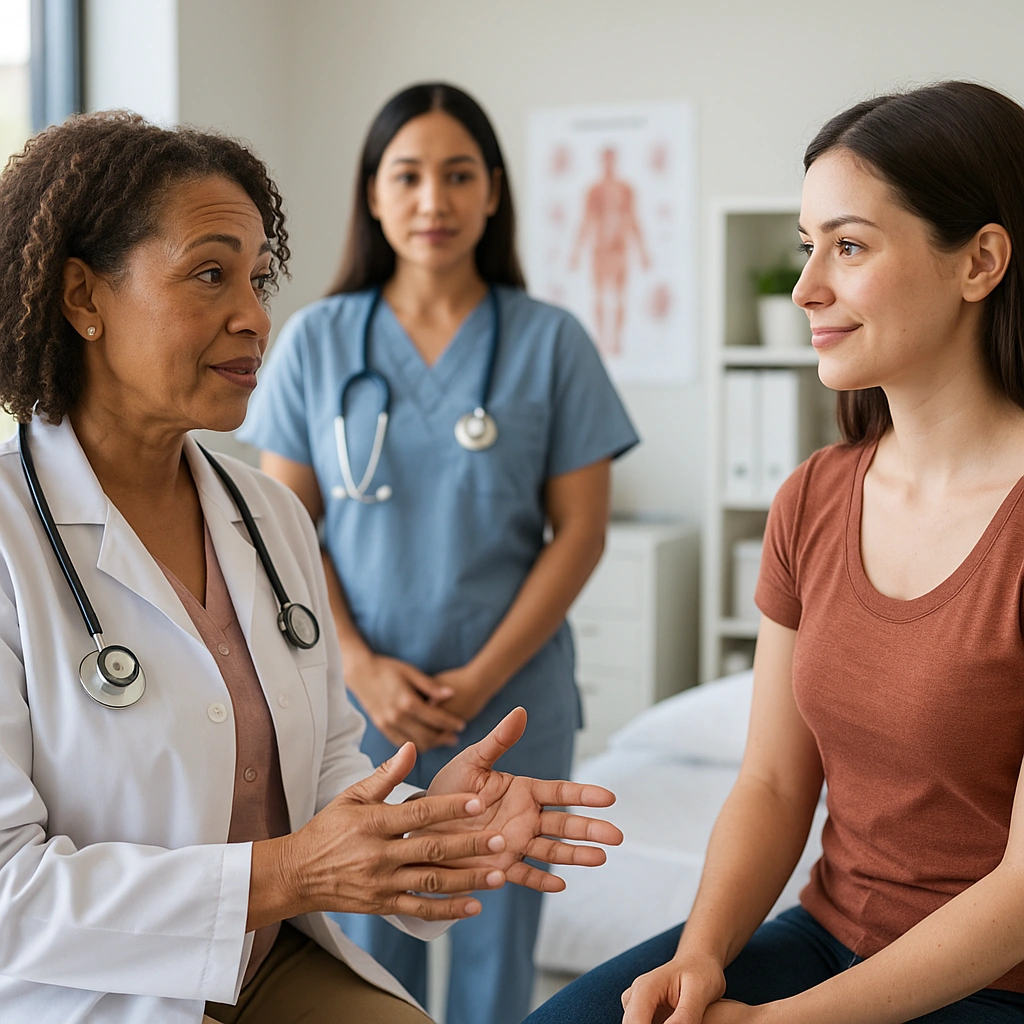
Women's Health Tips from Healthcare Providers
Women's health encompasses a wide range of issues, from reproductive health to chronic conditions. Understanding these topics is essential not only for maintaining physical health but also for psychological well-being. At the forefront of promoting women's health is a collaborative approach from healthcare providers, who offer valuable insights based on experience and patient interactions.
Annual Wellness Visits: A Cornerstone of Preventive Care
Among the most critical aspects of women’s health is the annual wellness visit. Many women may feel that they can skip this appointment if they feel fine, but these visits are vital for preventive care. A provider might identify potential issues before they develop into something more serious. A case in point is Maria, a 34-year-old patient who visited for her yearly check-up. During her exam, the provider discovered elevated blood pressure readings. This prompted further investigation, ultimately leading to a diagnosis of hypertension. Early detection allowed Maria to manage her condition effectively with lifestyle changes and monitoring.
Understanding Menstrual Health
Menstrual health is another critical component of women's health. Every woman’s experience with menstruation is unique, and problems can sometimes indicate underlying health issues. For example, notice how Laura, a 28-year-old woman, had been experiencing severe cramps and irregular cycles. During her appointment, her provider recommended tests that revealed an underlying condition known as endometriosis. By addressing her symptoms promptly, Laura was able to begin treatment that significantly improved her quality of life.
The Impact of Lifestyle Choices
Beyond specific conditions, lifestyle choices play a substantial role in overall health. Nutrition, exercise, and stress management are vital components that providers emphasize during consultations. For instance, a 45-year-old woman named Patricia sought advice on managing her weight and energy levels. After discussing her dietary habits and daily routine, her healthcare provider suggested tailored changes that included incorporating more whole foods and adopting a regular exercise regime. Over several months, Patricia not only lost weight but reported improved energy and mood, illustrating the profound impact lifestyle can have on health.
Mental Health Matters
Women often juggle multiple roles, which can lead to stress and burnout. Mental health is just as important as physical health, and providers encourage women to prioritize it. Jessica, a 30-year-old mother, felt overwhelmed balancing her career and family. She expressed feelings of anxiety during her visit. Her provider recommended counseling and relaxation techniques, such as mindfulness and yoga. These strategies helped Jessica find a better balance and manage her anxiety, demonstrating that mental health support is essential in women's health.
Reproductive Health: More Than Just Check-Ups
Reproductive health is another integral part of women’s care, involving regular screenings and discussions about contraception and family planning. For example, when 25-year-old Sofia approached her provider about contraceptive options, they had an open conversation about her reproductive goals and health history. This patient-centered approach allowed Sofia to choose a method that not only suited her lifestyle but also considered her future family plans. Such dialogues are crucial in ensuring women feel empowered about their reproductive choices.
The Importance of Screening and Vaccination
Regular screenings for cervical and breast cancer are also paramount. Healthcare providers strongly advise women to stay current with these screenings. Tara, a 50-year-old patient, initially hesitated to get her mammogram, fearing discomfort. However, after discussing the procedure with her provider, she learned how early detection could save lives. Tara went through with the screening and was relieved to find healthy results, reinforcing the message that awareness and action can make a significant difference.
Building a Support Network
Finally, having a supportive network can significantly impact a woman's health journey. This includes friends, family, and healthcare professionals who provide advice and encouragement. Providers often suggest that women maintain open lines of communication with loved ones about health concerns. This was particularly evident in Lisa’s case, a 42-year-old undergoing treatment for fibroids. Her support network helped her navigate her treatment journey, allowing her to remain optimistic and engaged in her care. This sense of community not only enhances emotional well-being but can also lead to better health outcomes.
Women’s health is multifaceted, requiring attention to physical, mental, and emotional aspects. By staying informed and proactive about their health, women can significantly enhance their well-being throughout various stages of life. The insights provided by healthcare professionals are invaluable resources that empower women in their health journeys.


