Women's Health: What Women Need to Know
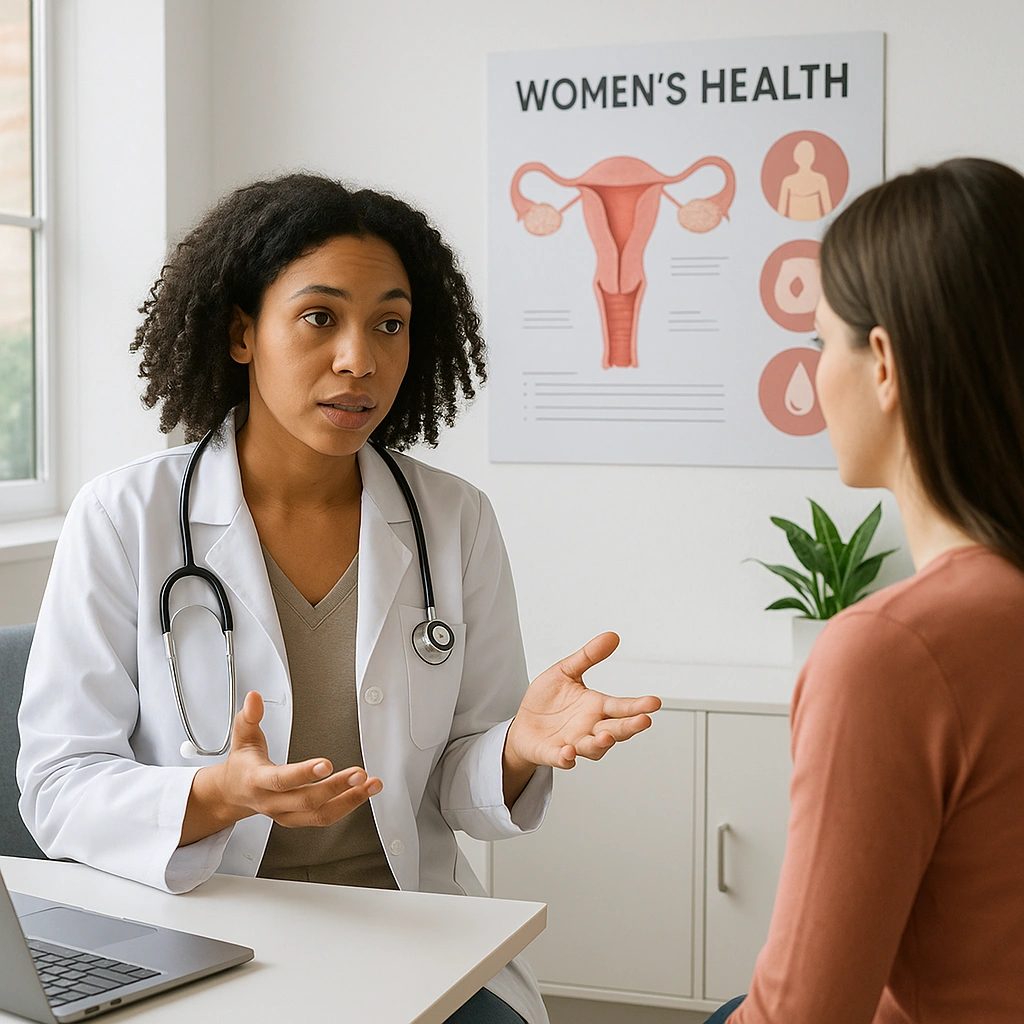
Women's Health: What Women Need to Know
Women’s health encompasses a wide range of issues, from reproductive health to chronic diseases and mental well-being. Understanding these aspects is crucial for maintaining overall health and making informed decisions about care. Whether you are entering a new phase of life or managing ongoing health concerns, being proactive is key.
Understanding Reproductive Health
Reproductive health is one of the primary aspects of women's health care. Regular gynecological exams help monitor reproductive health, including screenings for sexually transmitted infections (STIs), cervical cancer (through Pap smears), and breast health (via clinical breast examinations). For instance, a 32-year-old woman named Sarah faced irregular menstrual cycles that made her anxious about potential fertility issues. After a thorough evaluation by her healthcare provider, she discovered that hormonal imbalances could be managed with lifestyle adjustments and medication. This not only alleviated her concerns but also empowered her to take charge of her reproductive health.
Menopause and Its Impact
As women approach their late 40s and early 50s, menopause becomes a significant topic of discussion. Symptoms can include hot flashes, mood changes, and sleep disturbances, which can affect daily life. For example, one patient at Clinica Santa Maria, a 50-year-old woman named Linda, expressed frustration with sudden weight gain and frequent mood swings. Through compassionate counseling, she learned about hormone replacement therapy (HRT) and lifestyle modifications that could ease her transition. This scenario illustrates the importance of tailored care during significant life changes.
Managing Chronic Conditions
Women are at higher risk for certain chronic conditions, such as heart disease and osteoporosis. In fact, according to the American Heart Association, heart disease is the leading cause of death in women, often manifesting differently than in men. For example, 45-year-old Maria was surprised to experience fatigue and shortness of breath during her daily routine, which she initially dismissed as stress-related. After a thorough examination, her doctor diagnosed her with early-stage heart disease, emphasizing the importance of regular screenings and lifestyle changes. Educating themselves about these risks enables women to advocate for their health.
The Importance of Mental Health
Mental health is an equally vital component of women's health. Conditions such as anxiety and depression often go unreported, yet they greatly impact quality of life. For instance, a 28-year-old woman named Emma sought help for feelings of inadequacy and fatigue that affected her job and relationships. Through counseling and possibly medication, she was able to manage her symptoms effectively. This underscores the significance of seeking help and the need for open discussions about mental health issues among women.
Nutrition and Physical Activity
Nutrition and physical activity are foundational to women’s health, particularly in preventive care. A balanced diet rich in fruits, vegetables, and whole grains, combined with regular exercise, can counteract many health risks. Consider the story of Jessica, a 35-year-old who struggled with obesity and felt overwhelmed by her health. By working with a nutritionist and setting realistic fitness goals, she lost weight and significantly improved her self-esteem and energy levels. This example exemplifies how dietary and lifestyle changes can have a profound effect on overall health.
Annual Check-Ups and Preventive Care
Staying on top of routine check-ups is essential for early detection of potential health issues. Regular visits to a healthcare provider allow for necessary screenings and preventive measures tailored to individual health needs. As women age, these visits become increasingly important in monitoring health changes. It is vital to advocate for oneself and prioritize these appointments in a busy life.
Conclusion
Women’s health is multifaceted and requires a comprehensive approach that includes reproductive health, management of chronic conditions, mental wellness, nutrition, and preventive care. Understanding these elements empowers women to take proactive steps toward a healthier future. Real-life stories and experiences illustrate the importance of personalized care and the impact of education on women's health decisions.


