Women's Health: What Women Need to Know
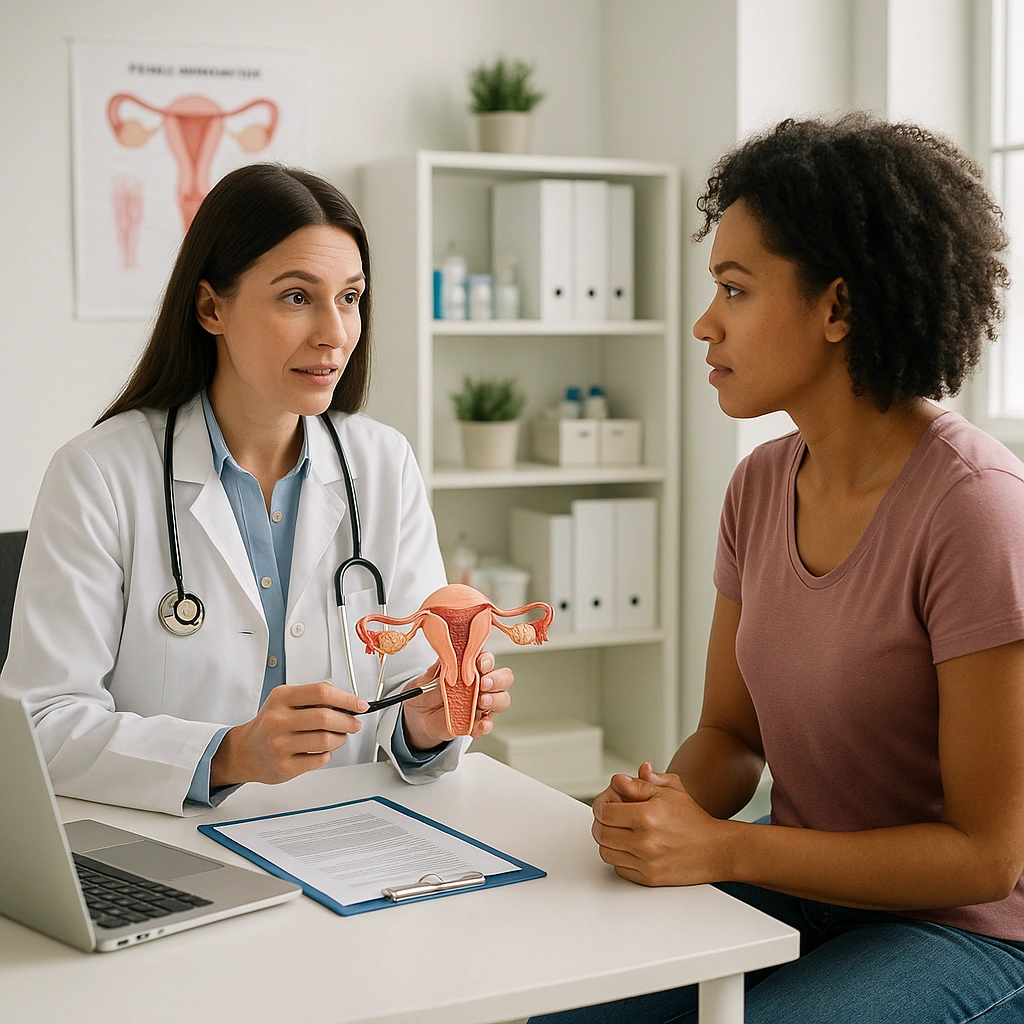
Women's Health: What Women Need to Know
Women's health encompasses a wide range of medical services and considerations, each tailored to meet the unique needs of women at different life stages. From adolescence through menopause and beyond, understanding women's health issues can profoundly impact overall well-being. In this discussion, we will explore critical health services, address common concerns, and offer insights that can help women make informed decisions about their health care.
Understanding Reproductive Health
At the core of women's health is reproductive health, which includes menstrual health, fertility, and prenatal care. Many women experience irregularities during their menstrual cycles, which can be a source of anxiety. For instance, Jane, a 28-year-old patient, began to notice drastic changes in her cycle, including heavy bleeding and severe cramps. After consulting with her healthcare provider, she discovered she had uterine fibroids, a common condition that can affect menstrual regularity. This diagnosis opened doors for treatment options, ranging from medication to minimally invasive procedures, allowing Jane to regain control over her health.
Contraceptive Options
Understanding contraceptive options is essential for family planning and reproductive health. Women today have access to a wide array of contraceptives, including hormonal methods such as the pill, intrauterine devices (IUDs), and barrier methods like condoms. Each type has distinct advantages and potential side effects. For example, Maria, a 24-year-old, chose a hormonal IUD for its long-term effectiveness and lower maintenance. However, she also had discussions with her provider about potential side effects, including changes in menstrual bleeding patterns. These conversations are crucial for ensuring that women feel comfortable and informed about their choices.
Mental Health Matters
Mental health is an equally important component of women's health, often overlooked. Conditions such as anxiety and depression can significantly impact quality of life. Sarah, a 35-year-old mother of two, found herself feeling overwhelmed and fatigued after experiencing postpartum depression. With the support of a mental health professional, she learned coping strategies and the importance of self-care, which included regular exercise and establishing a support network. Acknowledging mental health struggles and seeking help can lead to improved emotional well-being and overall health.
The Importance of Routine Screenings
Routine screenings play a significant role in preventive health for women. Regular Pap smears, mammograms, and bone density tests can help detect issues early. For example, Lisa, a 45-year-old, attended her annual check-up and, as part of her screening, underwent a mammogram. The results indicated the need for further evaluation, which led to early detection of breast cancer. This early diagnosis significantly improved her treatment options and prognosis. Women should prioritize appointments for these essential screenings, discussing any concerns with their healthcare provider.
Menopause and Beyond
As women transition into menopause, they encounter various physical and emotional changes that can be challenging. Symptoms may include hot flashes, mood swings, and sleep disturbances. For instance, Ann, a 50-year-old, experienced severe hot flashes that disrupted her daily life. Through discussions with her healthcare team, she learned about hormone replacement therapy (HRT) as a potential solution, alongside lifestyle modifications such as dietary changes and exercise. Understanding these options can empower women to make choices that align with their health goals.
Bone Health and Nutrition
Bone health is an essential consideration, especially for women as they age. Osteoporosis, a condition that weakens bones, can increase the risk of fractures. Emphasizing a balanced diet rich in calcium and vitamin D is crucial. For example, Clara, a 60-year-old, made dietary changes and engaged in weight-bearing exercises, which contributed to improved bone density. Regular screening and proactive measures can help maintain bone health and reduce the risk of osteoporosis.
Conclusion
Women's health is a multifaceted field that requires attention to various physical, mental, and emotional aspects. By understanding reproductive health, mental health, routine screenings, and specific life stages such as menopause, women can take proactive steps toward ensuring their well-being. Encouraging open communication with healthcare providers and seeking support when needed is vital. Each woman’s journey is unique, and informed choices can lead to empowered living at every stage of life.


