Your Period Pain Relief Questions Answered
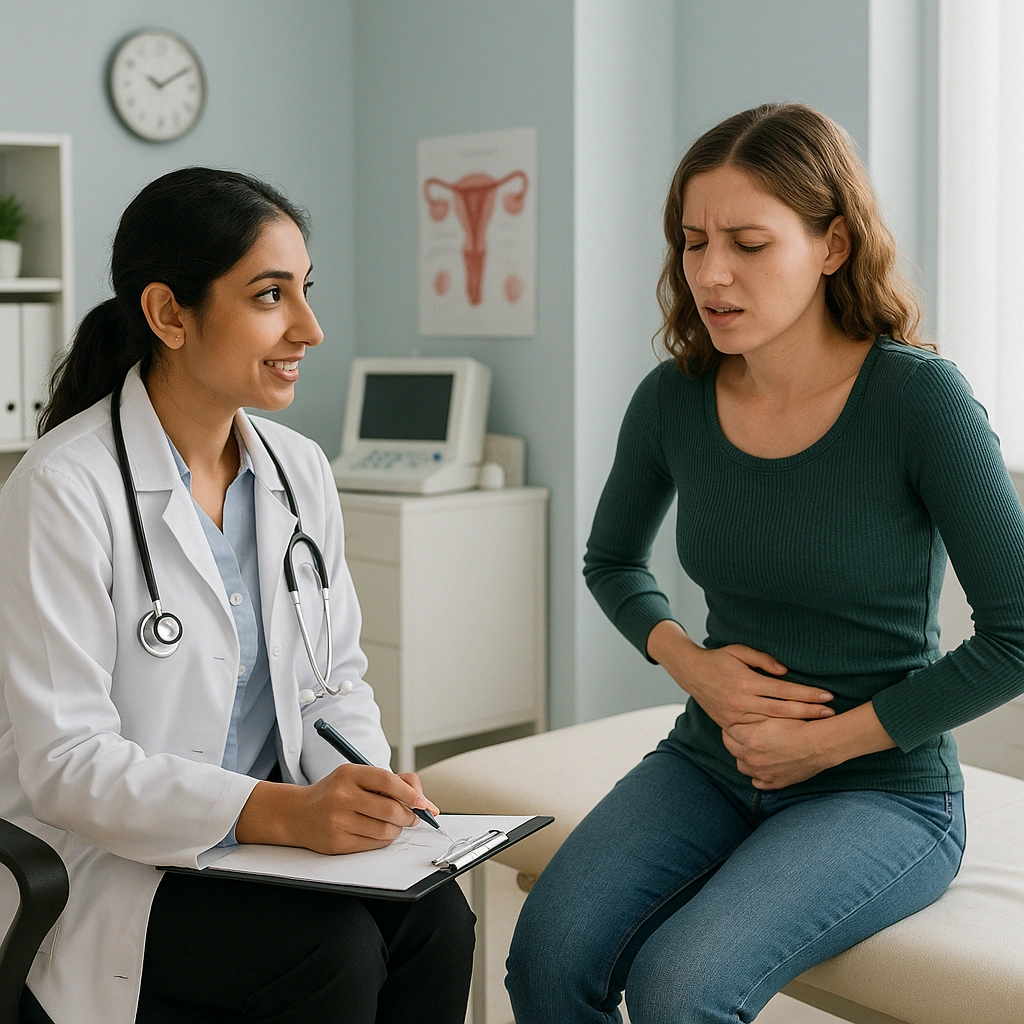
Your Period Pain Relief Questions Answered
What to Know
Understanding the process of menstrual pain, or dysmenorrhea, involves recognizing that it can stem from various causes, including hormonal changes, uterine contractions, or underlying conditions like endometriosis. In our practice, we've found that addressing these issues early can lead to more effective management and relief. Here’s a practical guide to help you understand your options and tackle period pain head-on.
Step 1: Keep a Symptom Diary
Action: Track your menstrual cycle, noting the severity of your pain and any accompanying symptoms, such as mood changes or gastrointestinal issues. This can help identify patterns over time.
Why it matters: Being aware of your symptoms can clarify whether your pain is typical or potentially indicative of a more serious condition. It also provides valuable information for your healthcare provider, facilitating a more targeted approach to your treatment.
Common concern: Many women worry that their period pain is just something they have to accept. However, chronic severe pain can be a sign of conditions like endometriosis or fibroids, which may require different treatment options.
Step 2: Explore Over-the-Counter Relief
Action: Consider using nonsteroidal anti-inflammatory drugs (NSAIDs) such as ibuprofen or naproxen. These medications can help alleviate pain and reduce inflammation when taken at the first sign of cramps.
Why it matters: NSAIDs are effective because they block the production of prostaglandins, which are hormones that contribute to pain and cramping. Taking them as soon as symptoms start can provide quicker relief.
Common concern: Some women worry about the long-term effects of taking pain relievers. It’s important to use them as directed and consult with your healthcare provider if you find yourself reliant on them every month.
Step 3: Consider Lifestyle Changes
Action: Adopt practices such as regular exercise, a balanced diet, and adequate hydration. Incorporate stress-relief techniques like yoga or meditation to help manage symptoms.
Why it matters: Regular physical activity can boost endorphin levels, which are natural painkillers. Nutritional choices can also impact your overall menstrual health, with certain foods potentially exacerbating or alleviating symptoms.
Common concern: Many women feel they lack the time for lifestyle changes. However, small, consistent alterations—like a daily walk—can significantly improve your menstrual experiences over time.
Step 4: Explore Heat Therapy
Action: Use a heating pad or take a warm bath during your period to alleviate cramps. Even a warm compress can offer significant relief.
Why it matters: Heat helps relax the muscles in your abdomen, which can reduce painful contractions. This method is a simple and drug-free way to find relief.
Common concern: Some may feel skeptical about the effectiveness of heat. Yet many patients report considerable relief through this accessible and gentle approach to pain management.
Step 5: Consult Your Healthcare Provider
Action: If your period pain is severe or unmanageable, consider speaking with your healthcare provider about additional treatment options.
Why it matters: Persistent pain may require further investigation. Your provider can discuss hormonal birth control methods, prescription medications, or other therapies tailored to your specific needs.
Common concern: Women often hesitate to bring up menstrual pain, thinking it’s part of being a woman. However, effective solutions exist, and advocating for your health is vital.
How to Prepare for Your Appointment
Before visiting a healthcare provider, prepare by organizing your symptom diary and any questions you may have. Consider noting the severity of your pain on a scale of 1 to 10, any triggers you’ve identified, and potential treatments you've tried. Being equipped with this information will streamline your conversation and help your provider understand your situation better. Don't hesitate to voice your concerns—every woman's experience is unique, and open dialogue is crucial for finding the most effective relief.
Remember, managing period pain is a personal journey, and it's essential to find the approaches that work best for you. By being proactive and informed, you can take control of your menstrual health and improve your quality of life.


