Can You Skip Domestic Violence Resources?
Can You Skip Domestic Violence Resources?
What to Watch For:
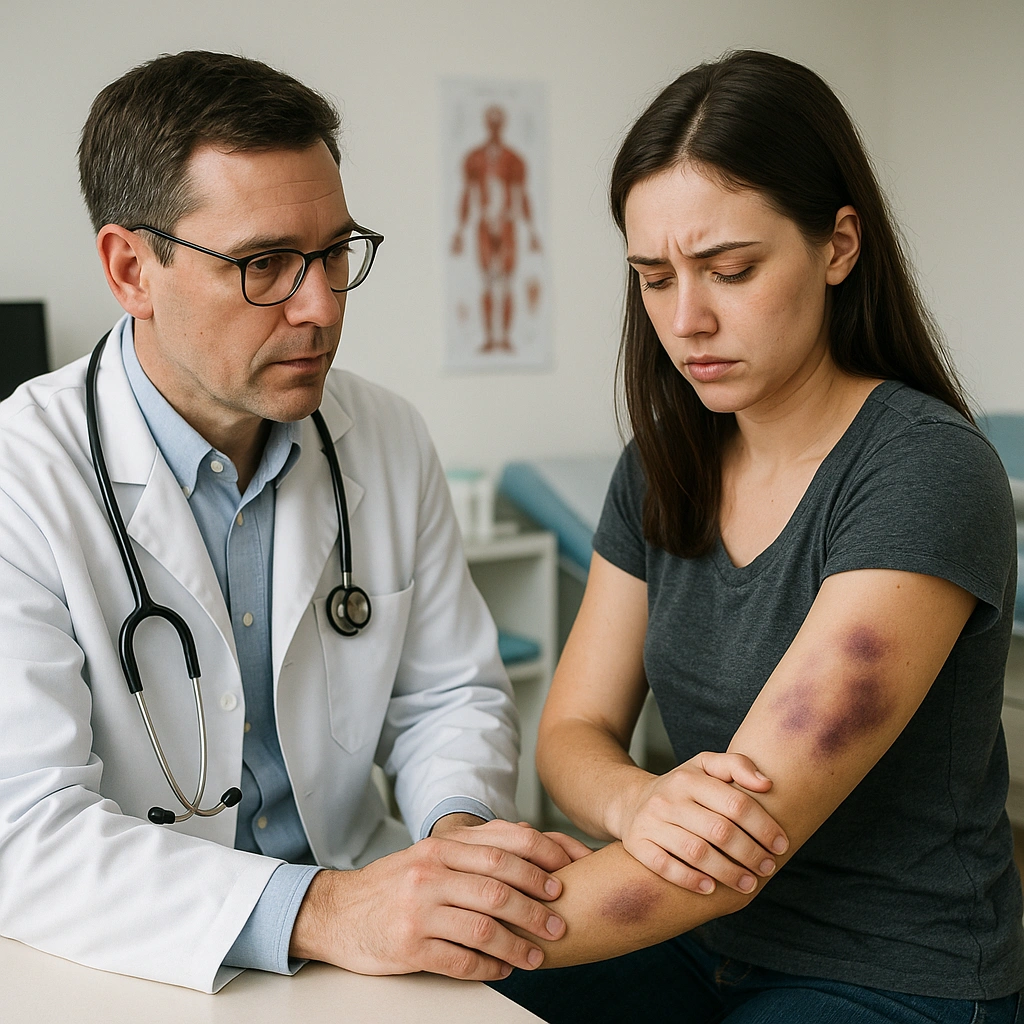
Recognizing signs of domestic violence is crucial. Symptoms can be physical, emotional, or psychological. Look for unexplained bruises, frequent injuries, or withdrawal from social situations. Victims may exhibit anxiety, depression, or changes in behavior. 💡 Medical Note: Physical symptoms can include repeated visits to healthcare providers for injuries. If a patient frequently presents with vague explanations, it may indicate underlying abuse.What's Normal vs. Concerning:
Healthy relationships are built on respect and trust. In contrast, concerning behavior includes controlling actions, insults, or threats. If your partner belittles you or monitors your movements, these are red flags. ⚕️ Important: Emotional abuse can be just as damaging as physical abuse. Signs include extreme jealousy, isolation from family and friends, and verbal degradation. Recognizing these patterns is key to seeking help.When to Call Your Provider:
Seek immediate medical attention if you experience severe injuries or threats to your safety. You should also consult your healthcare provider if you're feeling depression, anxiety, or if you're having thoughts of self-harm. 💡 Medical Note: The U.S. Preventive Services Task Force recommends routine screening for intimate partner violence in women of childbearing age. It’s essential for healthcare providers to ask direct questions about safety and abuse.What to Do in the Meantime:
If you find yourself in a harmful situation, take steps to ensure your safety. Consider creating a safety plan, which includes identifying safe places to go and people to call in emergencies. Keep a journal documenting incidents of violence, including dates, times, and descriptions. This can be valuable if you decide to seek legal assistance later. ⚕️ Important: Local resources are available for immediate help. Consider contacting a local hotline or domestic violence shelter for support. Connecting with others who understand your situation can provide not only comfort but also practical assistance.Examples of Scenarios:
Consider a patient named Sarah, who frequently visits the clinic for anxiety. During her visits, she discloses that her partner monitors her phone and restricts her social interactions. These behaviors are concerning and warrant further discussion about her safety. In another case, Maria arrives at the clinic with bruises and a vague explanation of falling. Further probing reveals that her partner becomes violent when he drinks. This situation highlights the need for immediate intervention and a safety plan.Understanding the Cycle of Abuse:
The cycle of abuse often includes tension-building, violent outbursts, and honeymoon phases. Many individuals feel trapped, believing the situation will improve. Understanding this cycle is crucial for those experiencing it. 💡 Medical Note: Education about the cycle of violence can empower victims to recognize their situations and seek help. Encourage open discussions about these topics during healthcare visits.Importance of Support Systems:
Support from friends, family, or community resources is vital. If you’re unsure where to turn, talk to your healthcare provider. They can guide you to local resources and support networks. Involvement in support groups can provide a sense of community and understanding. Sharing experiences can help break the isolation that many victims feel.Legal Rights and Protections:
Understanding your legal rights is essential. Many places have laws protecting against domestic violence, including restraining orders. Consulting with a legal advocate can provide clarity on your options and steps. 💡 Medical Note: Encourage patients to document any interactions with law enforcement or legal proceedings. This documentation can be critical in legal contexts.Long-term Health Impacts:
Survivors of domestic violence often face long-term health issues, including chronic pain, anxiety disorders, and gastrointestinal problems. Early intervention can mitigate these effects. Regular check-ups can help monitor health and facilitate discussions about mental and physical well-being.Conclusion:
Ignoring domestic violence resources is not an option. Understanding the signs, knowing when to seek help, and having a plan can create pathways to safety and healing. Your health and well-being are paramount.To explore our complete medical services, Book comprehensive women's health services.


