Common Navigating Healthcare Systems Concerns
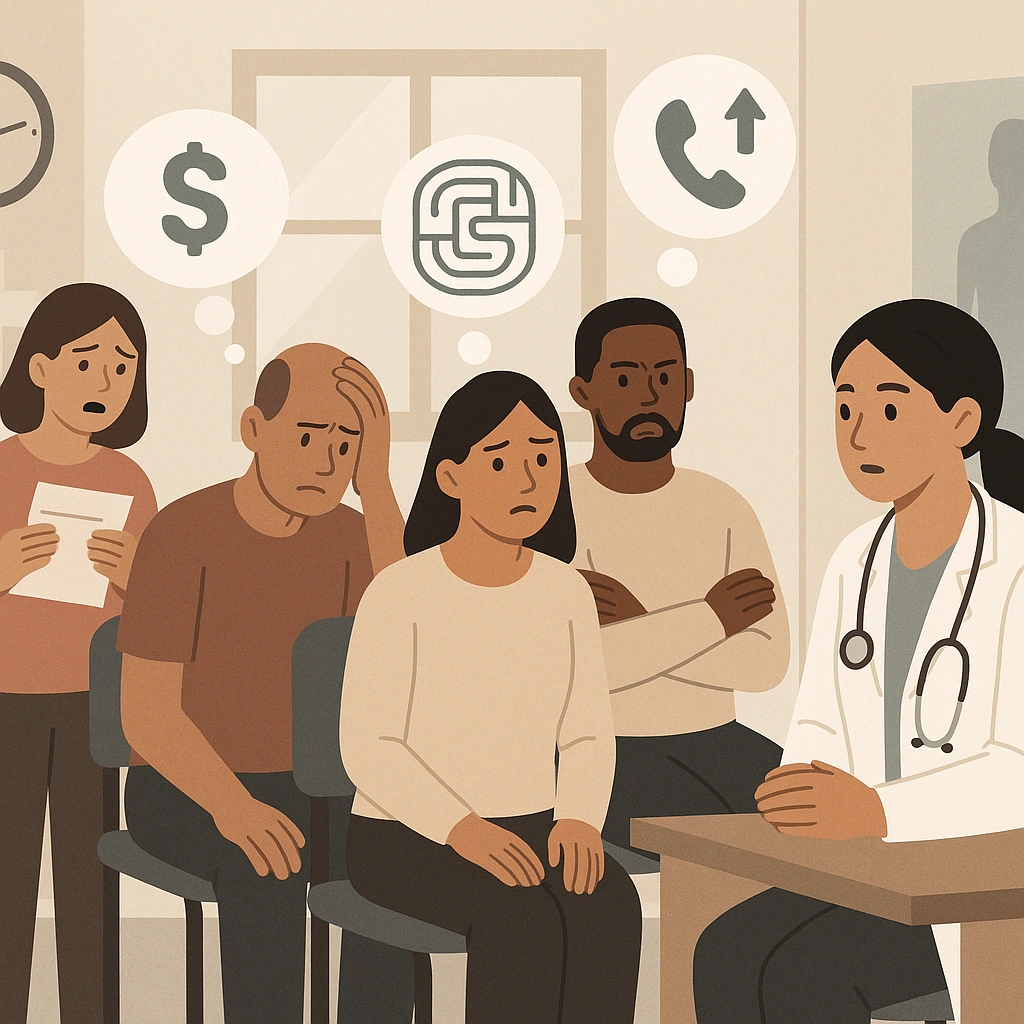
Common Navigating Healthcare Systems Concerns
Prevention is key: Many individuals often experience uncertainty when faced with healthcare decisions, especially regarding preventative care. Whether you’re dealing with persistent fatigue, unexplained weight changes, or recurring anxiety, these symptoms can signal deeper health issues. Understanding how to navigate healthcare systems effectively is crucial for obtaining timely and appropriate care.
Why Prevention Matters
Preventive care focuses on maintaining well-being and detecting health issues early. This proactive approach can significantly reduce the risk of more severe health concerns in the future. For instance, regular screenings for conditions such as hypertension (high blood pressure) or diabetes can lead to early interventions that improve health outcomes. In our practice, we've found that patients who engage in preventive healthcare regularly report better overall health and fewer emergency care visits.
Screening Recommendations
When navigating healthcare systems, knowing which screenings and tests are appropriate for you is essential. For women, the U.S. Preventive Services Task Force (USPSTF) recommends several key screenings:
- Mammograms: Women aged 50 to 74 should have breast cancer screening every two years. If you have a family history of breast cancer, your provider may recommend earlier or more frequent screenings.
- Pap Smear and HPV Testing: Starting at age 21, women should have a Pap test every three years until age 29. From ages 30 to 65, co-testing (Pap smear plus HPV test) is recommended every five years.
- Blood Pressure Screening: Adults should have their blood pressure checked at least once every two years. High blood pressure can lead to complications such as heart disease and stroke.
- Cholesterol Testing: If you are over 40 or have risk factors for heart disease, cholesterol levels should be checked every four to six years.
Lifestyle Factors
Your lifestyle choices profoundly impact your health and can affect how effectively you navigate the healthcare system. Factors such as diet, exercise, smoking status, and stress management are all crucial for preventive care. For example, maintaining a balanced diet rich in fruits, vegetables, and whole grains can lower the risk for conditions like obesity and type 2 diabetes. Regular physical activity is also essential—not only for physical health but also for mental well-being.
In our experience, patients who actively manage lifestyle factors often find that they are more engaged in their health decisions. This engagement can lead to improved communication with healthcare providers and better adherence to recommended screenings and treatments.
Working with Your Provider
Building a strong partnership with your healthcare provider is vital for effective navigation of the healthcare system. Preparation is key to making the most of your appointments. When visiting your provider, think about the following:
- List your symptoms clearly: Note when they started, their frequency, and any triggers you’ve identified.
- Prepare a medical history: Be ready to discuss your previous health issues, surgeries, and family health history.
- Bring a list of medications: Include prescriptions, over-the-counter drugs, and supplements.
- Write down questions: Prepare specific questions to maximize your time with the provider and ensure you leave with the information you need.
How to Prepare for Your Appointment
Preparation can make a significant difference in the quality of your healthcare experience. Here are some practical tips:
- Review your medical records: Understanding your health history can help you communicate effectively with your provider.
- Know your insurance coverage: Familiarize yourself with your benefits, including what services are covered and any potential out-of-pocket costs.
- Stay organized: Keep a folder with your medical information, test results, and any previous correspondence with your provider.
- Involve a support person: Bringing a family member or friend can provide emotional support and help remember important details from your visit.
Healthcare can be a complex landscape, but it doesn't have to feel overwhelming. By focusing on preventive care, adhering to recommended screenings, making healthy lifestyle choices, and collaborating with your provider, you can navigate the healthcare system more effectively. Empowering yourself with knowledge will enable you to advocate for your health and make informed decisions.


