Preparing for Women's Health
Preparing for Women's Health
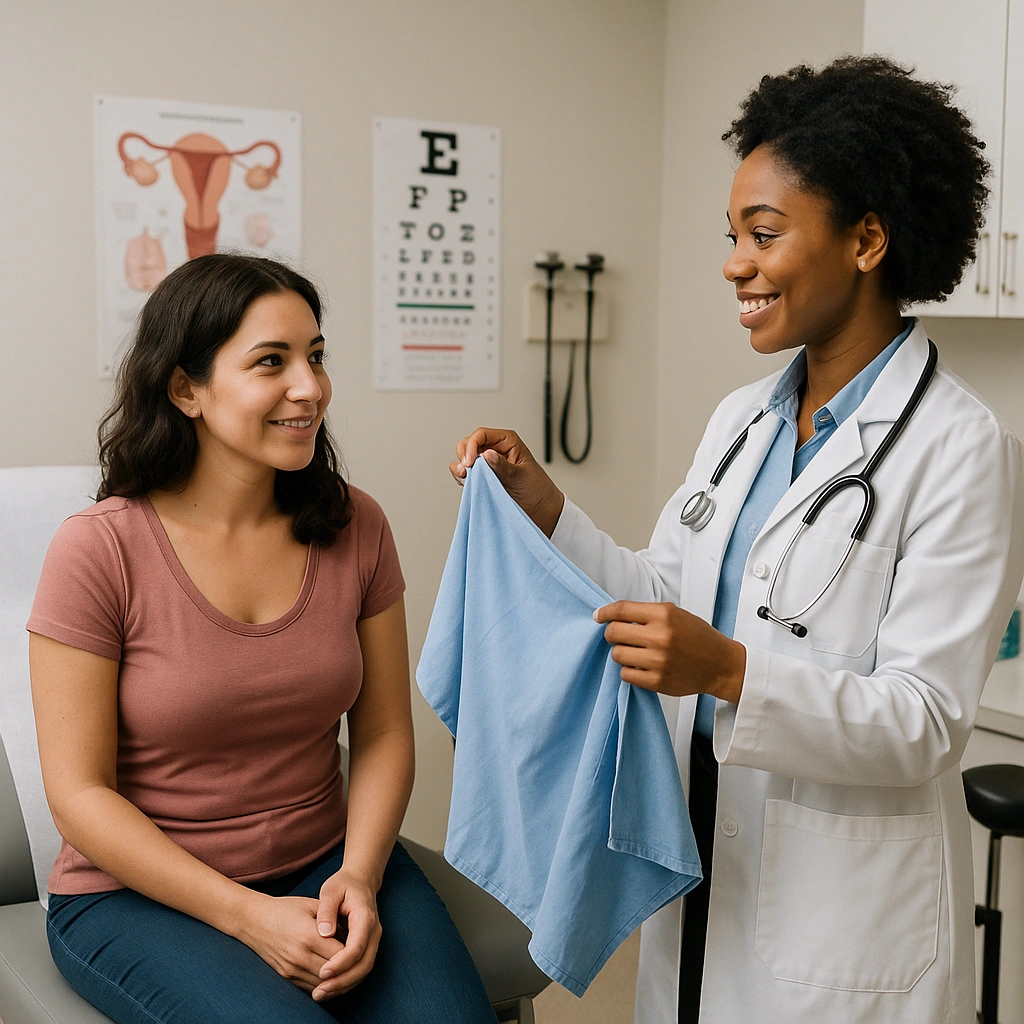
Women's health is an essential aspect of overall well-being, encompassing a range of issues from reproductive health to bone density and mental wellness. Preparing for health check-ups or addressing specific health concerns can significantly impact long-term health outcomes. This article aims to shed light on various women's health services available, particularly focusing on the importance of proactive healthcare management.
Understanding Your Health Needs
Women experience unique health challenges at different life stages. Understanding these needs is crucial for effective healthcare. For instance, during reproductive years, women may face issues such as irregular periods, polycystic ovary syndrome (PCOS), or endometriosis. Each of these conditions requires a specific approach, including lifestyle changes, medication, and sometimes surgical interventions.
A patient named Sarah, 28, sought help after experiencing irregular menstrual cycles for several months. After discussing her symptoms with a healthcare provider, she was diagnosed with PCOS. Her provider recommended a combination of dietary changes and the introduction of exercise into her routine, showing how an individualized approach can lead to improvements in health.
The Importance of Regular Check-Ups
Regular health screenings are vital for early detection and management of potential health issues. Annual check-ups can include pelvic exams, Pap smears, and breast examinations. For women over 40, mammograms become an essential part of routine care.
Consider the case of Maria, a 45-year-old woman who had been diligent about her annual exams. During a routine mammogram, a lump was discovered. Following further evaluation, it was determined that she had breast cancer at an early stage. Thanks to her proactive approach and timely intervention, Maria underwent successful treatment and is now in remission.
Addressing Mental Health
Mental health is an integral part of women's health that often goes overlooked. Conditions such as depression, anxiety, and postpartum depression can affect women significantly. It's important to seek help when needed, as mental health issues can impact physical health and overall quality of life.
For example, Lisa, a new mother, found herself struggling with feelings of sadness and overwhelming fatigue. After reaching out for help, she was diagnosed with postpartum depression. Her healthcare provider discussed treatment options, including therapy and support groups, leading to a much-needed recovery process.
Reproductive Health Services
Reproductive health services are pivotal for women, covering topics such as contraception, pregnancy, and menopause. Understanding these aspects can empower women to make informed choices about their health. For instance, Sarah's experience with contraception began when she expressed concerns about her heavy periods. After careful consideration with her provider, she chose a hormonal IUD, which significantly alleviated her symptoms.
Moreover, as women approach menopause, healthcare providers can offer support for managing symptoms like hot flashes and mood changes. A tailored plan can improve quality of life significantly during this transitional phase.
Healthy Lifestyle Choices
Incorporating healthy lifestyle choices is essential for maintaining women’s health. This includes a balanced diet, regular physical activity, and sufficient sleep. Nutrition plays a crucial role in managing conditions like osteoporosis, which can affect women, especially post-menopause.
Anna, a 60-year-old woman, began experiencing signs of osteoporosis during a routine check-up. By working with her healthcare team, she initiated a diet rich in calcium and vitamin D and began weight-bearing exercises. As a result, her bone density improved significantly over the following years.
Conclusion
Preparing for women's health involves more than just addressing immediate concerns; it requires a comprehensive understanding of health needs throughout different life stages. By actively engaging with healthcare providers and taking charge of one's health, women can navigate various challenges effectively. In doing so, they not only improve their own well-being but also set a positive example for future generations.


