Signs You Need Heavy Bleeding Treatment Options
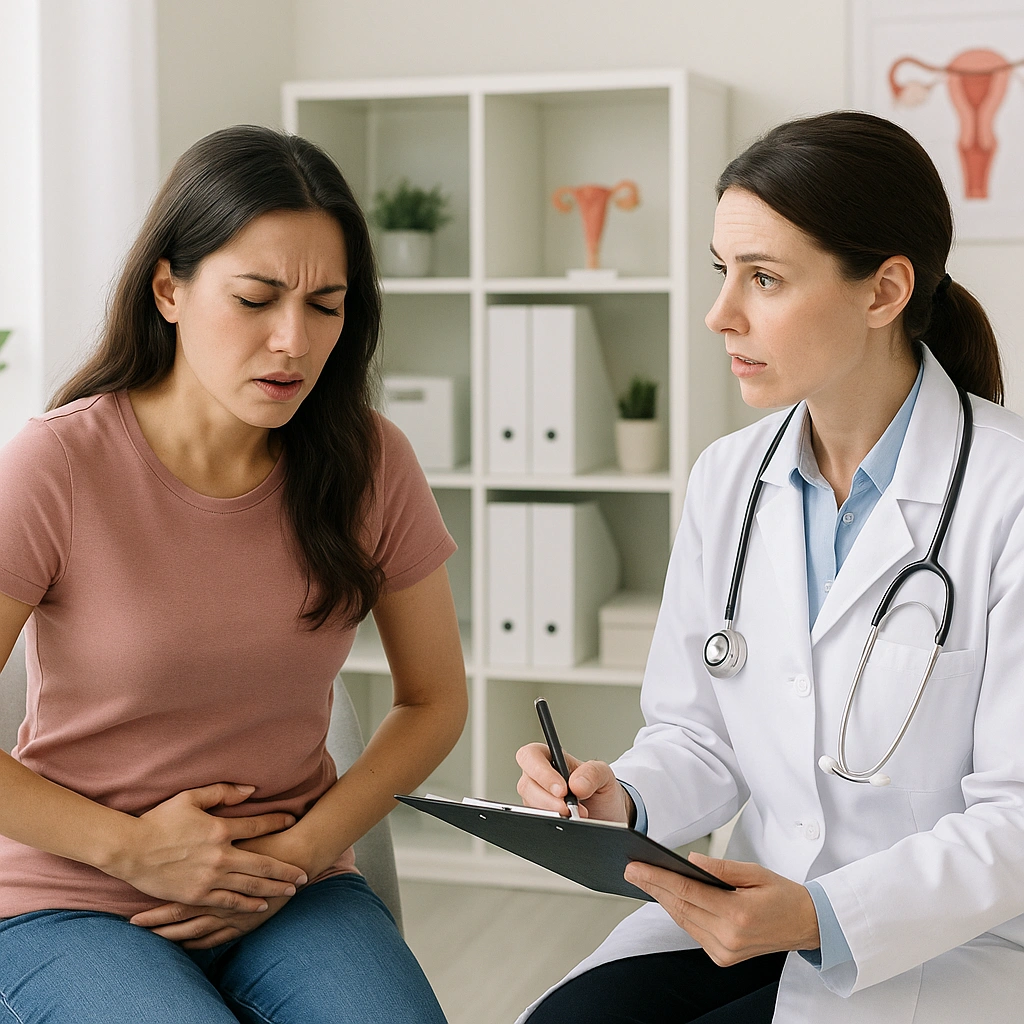
Signs You Need Heavy Bleeding Treatment Options
Many of our patients face this: the concern of unexpected, heavy menstrual bleeding. It can be an overwhelming experience, leading to anxiety about daily activities or significant lifestyle changes. You might find yourself planning your day around bathroom breaks, worried about embarrassing leaks or the unpredictability of your cycle. For some women, this isn’t just an occasional inconvenience; it becomes a recurring, distressing issue that affects both physical and emotional well-being.
Understanding Heavy Bleeding
This condition, known medically as menorrhagia, is characterized by excessively heavy or prolonged menstrual bleeding. You may notice the need to change sanitary protection every hour or even more frequently. You might experience periods that last longer than seven days, or you might pass large blood clots. These symptoms can lead to anemia if the bleeding is severe, resulting in fatigue, weakness, or dizziness.
If you resonate with these experiences, it’s important to realize that you are not alone. Many women go through similar struggles, and there are effective treatments available. Understanding when to seek help is key; if your bleeding is impacting your quality of life or causing significant discomfort, medical evaluation is warranted.
When to Seek Help
Recognizing the signs that you need treatment options is crucial. If you experience heavy bleeding accompanied by severe pain, excessive fatigue, or symptoms of anemia, it’s time to reach out for professional help. You should also consider getting evaluated if your periods interfere with your daily activities or if you have to frequently change pads or tampons.
At our clinic, we explain to our patients that heavy menstrual bleeding can stem from various causes—including hormonal imbalances, uterine fibroids, or polyps. Each of these conditions has unique characteristics and implications for treatment. For example, fibroids are benign tumors that can cause increased bleeding, while polyps are small growths that may also lead to heavy flow.
Diagnostic Steps
When you visit us, we will start with a thorough evaluation. This often includes a complete medical history and a physical examination. Based on current medical standards, we may also recommend tests like blood work to check for anemia, an ultrasound to assess the uterus, or a biopsy to rule out more serious conditions. While test results may take a few days, they provide essential insights into your health.
Treatment Options
After we gather the necessary information, we will discuss the best treatment options tailored to your specific situation. Lifestyle changes, such as managing stress or diet modifications, may help in mild cases. However, more significant interventions may be necessary for severe cases. These could include hormonal therapies, such as birth control pills, which can regulate your cycle and reduce bleeding.
For those with fibroids, a procedure called myomectomy may be an option, which involves removing fibroids while preserving the uterus. In some cases, a hysterectomy, or the removal of the uterus, might be recommended, especially if you no longer wish to have children and other treatments haven’t provided relief.
Recovery and Follow-Up
Recovery from procedures can vary. For instance, after a myomectomy, you might expect to take about 4-6 weeks off for full recovery. We make sure to emphasize the importance of follow-up appointments to monitor your progress and adjust treatment plans as necessary. Our goal is to ensure you feel supported every step of the way.
Emotional Well-Being
It’s important to acknowledge that heavy bleeding can also take an emotional toll. Anxiety and frustration are common feelings, and they should not be overlooked. We approach your care holistically, understanding that addressing emotional health is just as important as treating the physical symptoms. Support groups or mental health resources may be beneficial as you navigate through this experience.
In summary, heavy bleeding is a common issue that affects many women’s lives. If you find that your menstrual cycle is causing distress or interruption to your daily routine, we encourage you to seek support. Remember, you deserve to live without the fear or unpredictability of heavy menstrual bleeding.


