Troubleshooting Women's Health Issues
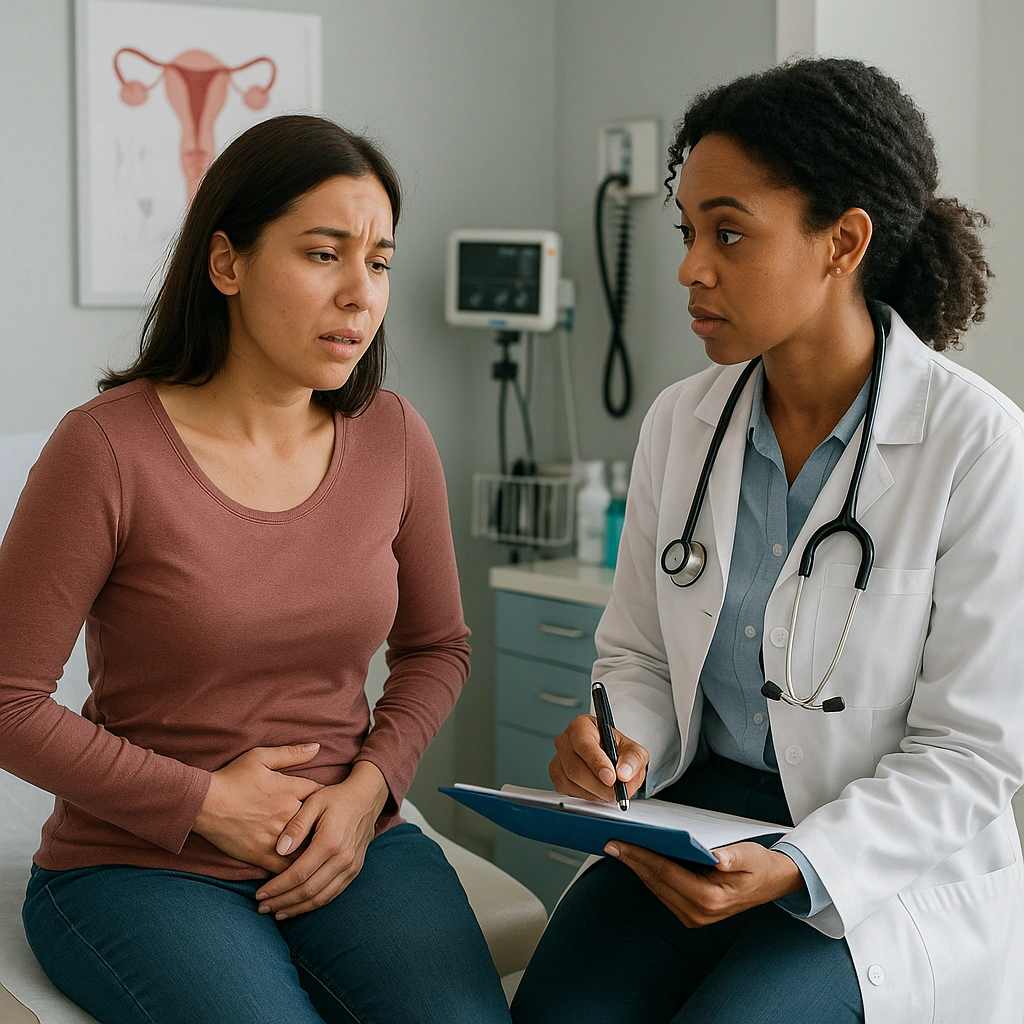
Troubleshooting Women's Health Issues
Women’s health is a complex tapestry woven from various physical, emotional, and social threads. Each woman’s experience can be unique, leading to a wide array of health issues that may arise throughout different stages of life. Understanding these issues and knowing when to seek help is crucial for maintaining overall well-being. In this post, we will explore some common women’s health concerns and practical ways to troubleshoot them, along with real-life scenarios to illustrate effective decision-making in care.
Understanding Menstrual Irregularities
One of the most common issues women face is menstrual irregularity. For instance, consider Maria, a 28-year-old who previously had regular cycles. Suddenly, she experiences missed periods and heavy bleeding. This scenario highlights the need to differentiate between normal variations and something more serious. Conditions such as polycystic ovary syndrome (PCOS) and thyroid disorders can cause significant changes in the menstrual cycle.
If Maria were to visit her healthcare provider, her doctor might order blood tests to check hormone levels and review her medical history. Understanding these factors can guide treatment, whether through lifestyle changes, medication, or other interventions. Consistent tracking of cycles and symptoms can also provide valuable information for both the patient and the healthcare provider.
Managing Symptoms of Menopause
As women approach menopause, they may encounter various symptoms ranging from hot flashes to mood swings. Take Linda, a 50-year-old who finds herself waking up drenched in sweat and struggling with sleep patterns. The onset of these symptoms can be confusing and distressing. It’s essential for women like Linda to know that several options are available to manage menopausal symptoms.
In a consultation, healthcare providers might discuss hormone therapy as well as lifestyle modifications such as diet and exercise. Additionally, alternative therapies like yoga and mindfulness may help mitigate stress and enhance overall well-being. Addressing these symptoms early on can improve quality of life during this transitional phase.
Recognizing Signs of Reproductive Health Issues
Reproductive health issues such as endometriosis can often go overlooked. Consider the case of Sara, a 35-year-old who has been experiencing chronic pelvic pain and painful periods. Many women, like Sara, may dismiss these symptoms as normal menstrual discomfort, but persistent pain can indicate endometriosis. This condition occurs when tissue similar to the lining of the uterus grows outside it, leading to pain and potential fertility challenges.
Having an open dialogue with a healthcare provider is crucial. For Sara, a pelvic exam and possibly an ultrasound might be recommended. Early diagnosis allows for better management, which can include hormonal medications, physical therapy, or surgical options if necessary. Recognizing the signs of reproductive health issues can empower women and ensure timely intervention.
Addressing Mental Health Concerns
Mental health is an integral part of women's health that often gets overlooked. Jessica, a 40-year-old mother of three, has been feeling increasingly overwhelmed and anxious. It’s vital for women like Jessica to know that mental health issues, such as anxiety and depression, are common and treatable. Whether through therapy, medication, or support groups, effective treatment can offer relief.
It’s important for women to prioritize their mental health and not feel guilty about seeking help. Open conversations about mental wellness can reduce stigma and lead to better support systems. Healthcare providers can play a key role by screening for mental health conditions and providing resources for women who are struggling.
Taking Charge of Your Health
Women have the power to take charge of their health by staying informed and proactive. Regular check-ups, monitoring body changes, and understanding the importance of self-advocacy are vital. It’s essential to approach health issues with a mindset of curiosity rather than fear. Each woman’s journey is unique, and recognizing individual needs can lead to better health outcomes.
Clinica Santa Maria encourages women to pay attention to their bodies and to seek support from healthcare providers who understand their concerns. Remember, you are not alone in your health journey; many resources are available to help you navigate the complexities of women’s health.


