Women's Health: A Patient's Guide
Women's Health: A Patient's Guide
Women's health encompasses a wide range of medical concerns, from routine gynecological exams to more complex conditions affecting reproductive health. Understanding the services available and prioritizing these aspects can significantly enhance the quality of life and well-being for women at every stage of life. This guide aims to illuminate some essential services that cater specifically to women's health, emphasizing individualized care and support.
Routine Gynecological Care
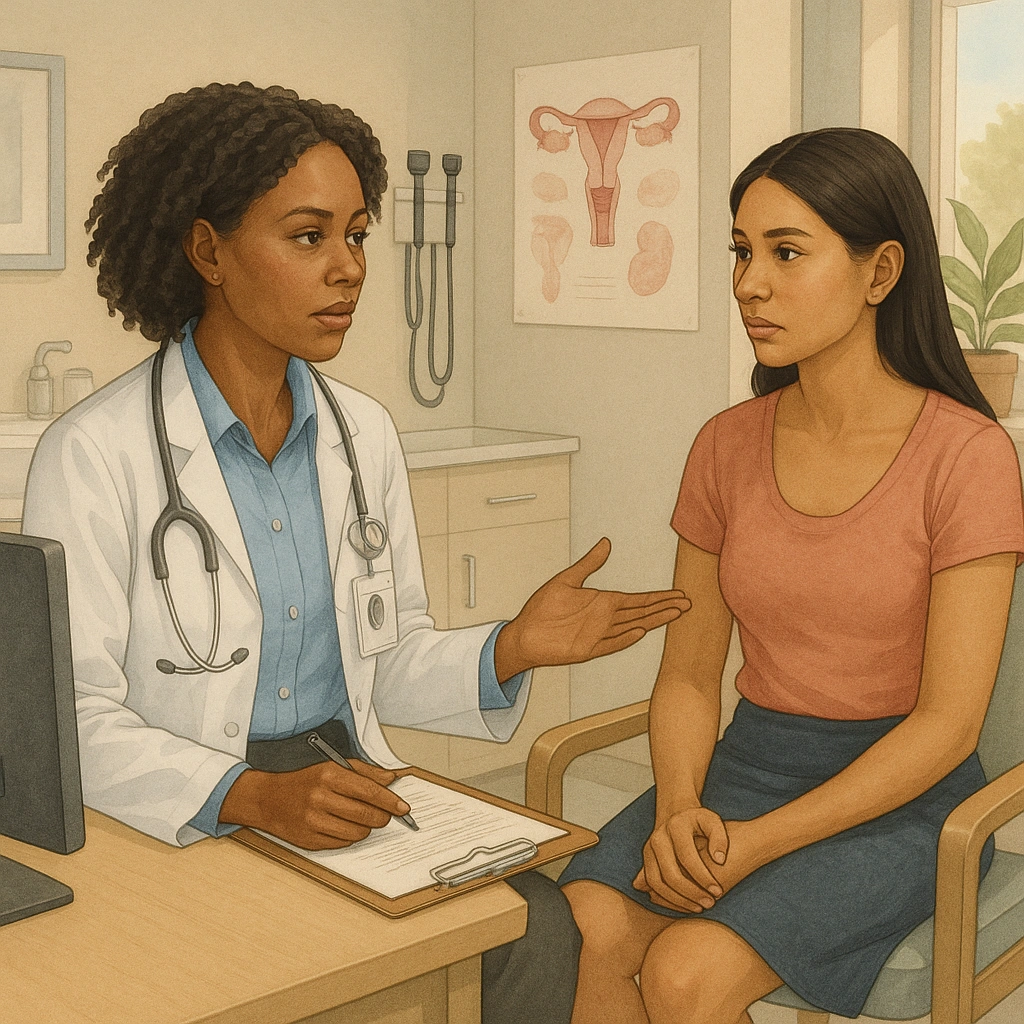
Routine gynecological exams are vital in maintaining reproductive health. These examinations typically include pelvic exams, Pap smears, and breast examinations. For instance, a woman in her early 30s may visit her healthcare provider for a routine screening. During her appointment, the clinician would conduct a Pap smear to check for any precancerous cells, which can be crucial for early detection of cervical cancer. Regular screenings can help catch issues before they evolve into more significant health concerns.
Pregnancy and Prenatal Care
Pregnancy care is a specialized area of women’s health that involves multiple visits to monitor the health of both the mother and the developing fetus. For example, a patient might enter a prenatal care program early in her pregnancy to receive nutritional guidance, regular ultrasounds, and essential blood work. These appointments help in detecting conditions such as gestational diabetes early on, allowing for timely interventions that can mitigate risks for both mother and child.
Menstrual Health and Disorders
Understanding menstrual health is essential as it can impact overall quality of life. Conditions such as polycystic ovary syndrome (PCOS) or endometriosis can cause significant discomfort and require specialized management. A patient suffering from severe menstrual pain might consult a healthcare provider to discuss symptoms and treatment options. This could lead to the identification of endometriosis, which may then require a combination of medical therapy and possibly surgical options to alleviate pain and improve quality of life.
Menopause Management
As women age, they may enter menopause, a natural biological process that brings a series of physical changes. Symptoms such as hot flashes, mood swings, and sleep disturbances can significantly affect daily life. A patient navigating these changes might seek advice on hormone replacement therapy (HRT) or lifestyle modifications that can ease these symptoms. Tailored treatment plans can help manage menopausal symptoms effectively, promoting comfort and health during this transition.
Reproductive Health and Family Planning
Family planning is a critical aspect of women's health. It involves understanding different contraceptive options and reproductive choices. Consider a scenario where a young woman is evaluating her options for contraception. A healthcare professional can provide detailed information on various methods, from hormonal pills to intrauterine devices (IUDs), and assist her in making an informed decision that best fits her lifestyle and health needs. This is crucial for empowering women to take control of their reproductive health.
Breast Health
Regular breast screenings and education about breast health are vital components of women’s health. Early detection of breast cancer can significantly improve treatment outcomes. A typical scenario might involve a woman in her 40s who is guided to undergo her first mammogram. This proactive approach helps in identifying any abnormalities early, allowing for timely intervention, should it be necessary. Additionally, understanding the importance of self-examinations can further enhance awareness among women regarding their breast health.
Mental Health and Wellness
Mental health is an integral part of overall health and well-being. Women often face unique stressors, from hormonal fluctuations to societal pressures. A patient may seek support for anxiety or depression, recognizing that these issues affect physical health. Access to mental health services, including counseling and support groups, can provide the necessary resources to navigate these challenges effectively.
Conclusion
Women's health services are designed to cater to the unique needs of women throughout their lives. From routine care to specialized treatment for complex conditions, the emphasis is on individualized care that promotes health and well-being. It is vital for women to engage actively with their health care providers, ensuring that their concerns and health goals are addressed comprehensively.


