How to Navigate Women's Health
How to Navigate Women's Health
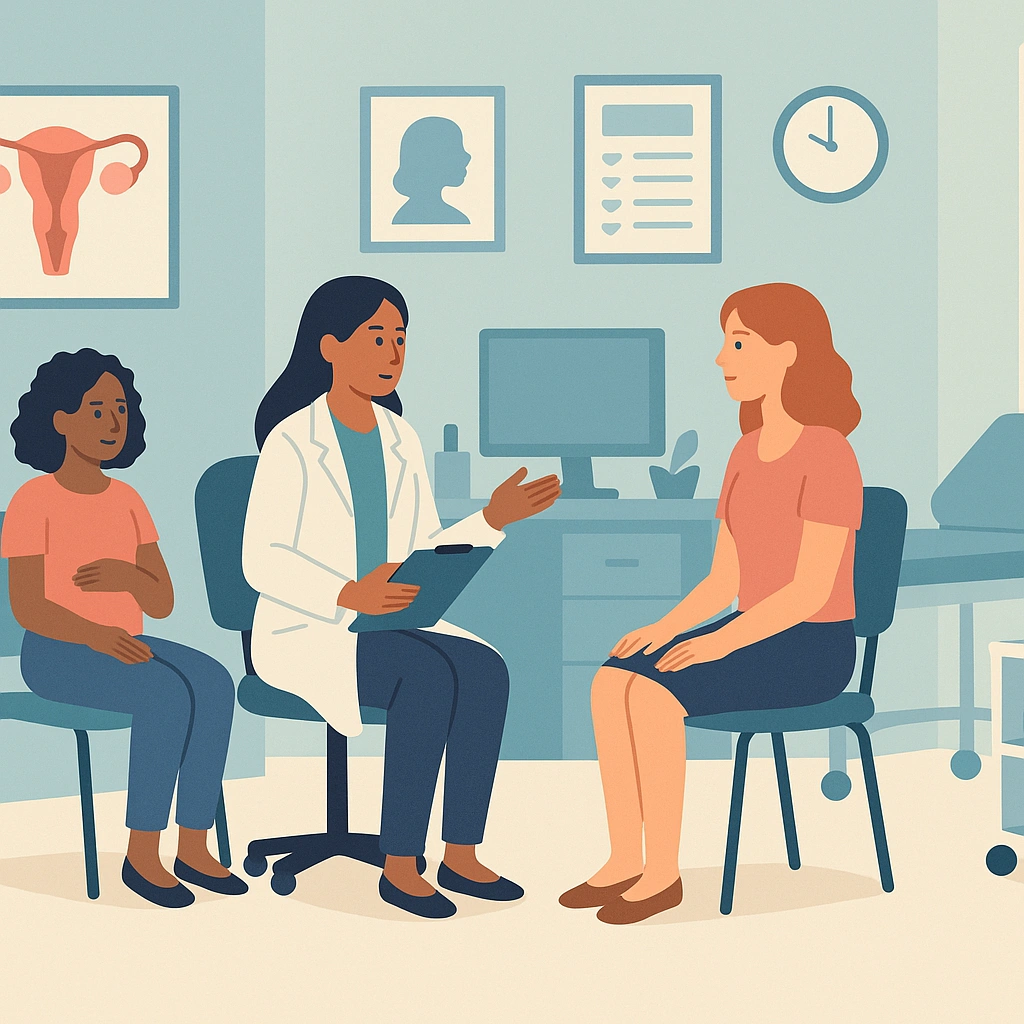
Navigating women’s health can often feel overwhelming, especially with the myriad of services available and the importance of tailored care. Each stage of a woman’s life comes with unique health needs, from menstruation and reproductive health to pregnancy and menopause. Understanding these services can empower women to take control of their health, ensuring they receive the most appropriate care at every stage.
Understanding Key Women's Health Services
Women's health services encompass a range of areas, including preventive care, reproductive health, and management of chronic conditions. These services are essential for maintaining overall health and wellness.
Preventive Care
Preventive care is the first line of defense in women’s health. Regular screenings, such as Pap smears and mammograms, are critical for early detection of potential health issues. For instance, a 35-year-old woman may visit her healthcare provider for a routine Pap test. During this visit, a conversation about her family history could lead to personalized recommendations for breast screenings. Early detection not only improves outcomes but can also significantly reduce treatment costs and stress associated with later-stage diagnoses.
Reproductive Health
Reproductive health is perhaps one of the most discussed areas within women's health. Issues such as menstrual irregularities, polycystic ovary syndrome (PCOS), and infertility are common concerns. Consider the case of a woman in her late twenties who has been experiencing irregular periods and weight gain. Upon consulting a healthcare provider, she learns she has PCOS, a condition that can affect fertility. With proper education and the right treatment plan, which might include lifestyle changes and medication, she can manage her symptoms effectively.
Pregnancy and Postpartum Care
Pregnancy is a significant life event that comes with its own set of healthcare needs. Prenatal care is crucial for monitoring both the mother’s health and the development of the fetus. For example, a pregnant woman may notice swelling in her legs—a common issue—but it can also indicate conditions like preeclampsia. Timely consultations with healthcare providers can ensure both mother and child receive appropriate care, ideally preventing complications. Postpartum care is equally important, as new mothers may face physical and emotional challenges. Resources and support can help address concerns like postpartum depression and recovery from childbirth.
Managing Chronic Conditions
Many women face chronic conditions that require ongoing management. Conditions such as diabetes or hypertension can have different implications for women’s health compared to men. A woman with diabetes may need to adjust her routine around her menstrual cycle or during pregnancy. Awareness and management of these conditions through regular check-ups can drastically improve quality of life and health outcomes.
Mental Health Considerations
Mental health is a critical component of women’s health that often goes unaddressed. Women are more likely than men to experience certain mental health issues, including anxiety and depression. A 30-year-old woman might experience heightened stress due to balancing work and family responsibilities. Therapy, support groups, and medication can play vital roles in her mental well-being. Acknowledging mental health as an integral part of overall health allows for a more holistic approach to care.
Cultural Sensitivity in Women's Health
Another important factor in women’s health is the cultural context in which care is provided. Cultural beliefs and practices can significantly influence women’s health decisions and access to services. Healthcare providers are encouraged to approach care with cultural sensitivity and understanding, creating an environment where women feel comfortable discussing their health concerns. For instance, in certain cultures, discussing reproductive health may be taboo. Offering education in a respectful manner can empower women to seek care without fear of stigma.
At Clinica Santa Maria, we understand that navigating women's health involves more than just accessing services; it requires compassion and education. By fostering an environment of trust and understanding, we aim to help women make informed decisions about their health.
Conclusion
Navigating women's health is a lifelong journey that encompasses a range of services and considerations. From preventive care to managing chronic conditions, it is crucial for women to understand their unique health needs and feel empowered to seek care. By being proactive and educated about their health, women can enhance their quality of life and wellbeing throughout all stages of life.


