How to Prepare for Women's Health
How to Prepare for Women's Health
Understanding how to prepare for women's health visits can significantly enhance your healthcare experience and ensure you receive the best possible guidance and support. Preparation not only helps you feel more at ease during appointments but also allows healthcare providers to offer more tailored care.
The Importance of Regular Health Screenings
Women experience unique health challenges throughout their lives, making regular health screenings vital. For example, women aged 21 to 65 should receive pap smears every three years to screen for cervical cancer. In a case from our clinic, a patient named Sarah, at 32, was diligent about her gynecological examinations and early screenings. This proactive approach enabled her doctor to identify pre-cancerous changes early, leading to effective intervention and treatment.
Gathering Your Medical History
One essential step in preparing for your visit is gathering your medical history. This includes any past medical conditions, surgeries, and medications you currently take. For instance, when Jessica, a 28-year-old patient, visited our clinic, she brought a comprehensive list of her medications and previous health concerns. This information allowed her healthcare provider to make informed decisions regarding her reproductive health and manage her concerns about potential side effects.
Family Medical History
Don't forget to inquire about your family medical history. Certain conditions, such as breast or ovarian cancer, may have genetic components. During a consultation, Maria, who recently lost a family member to breast cancer, was able to discuss her concerns about genetic testing. By tracing her family history, her healthcare provider recommended appropriate screenings and preventive measures tailored to her risk profile.
What to Expect During Your Visit
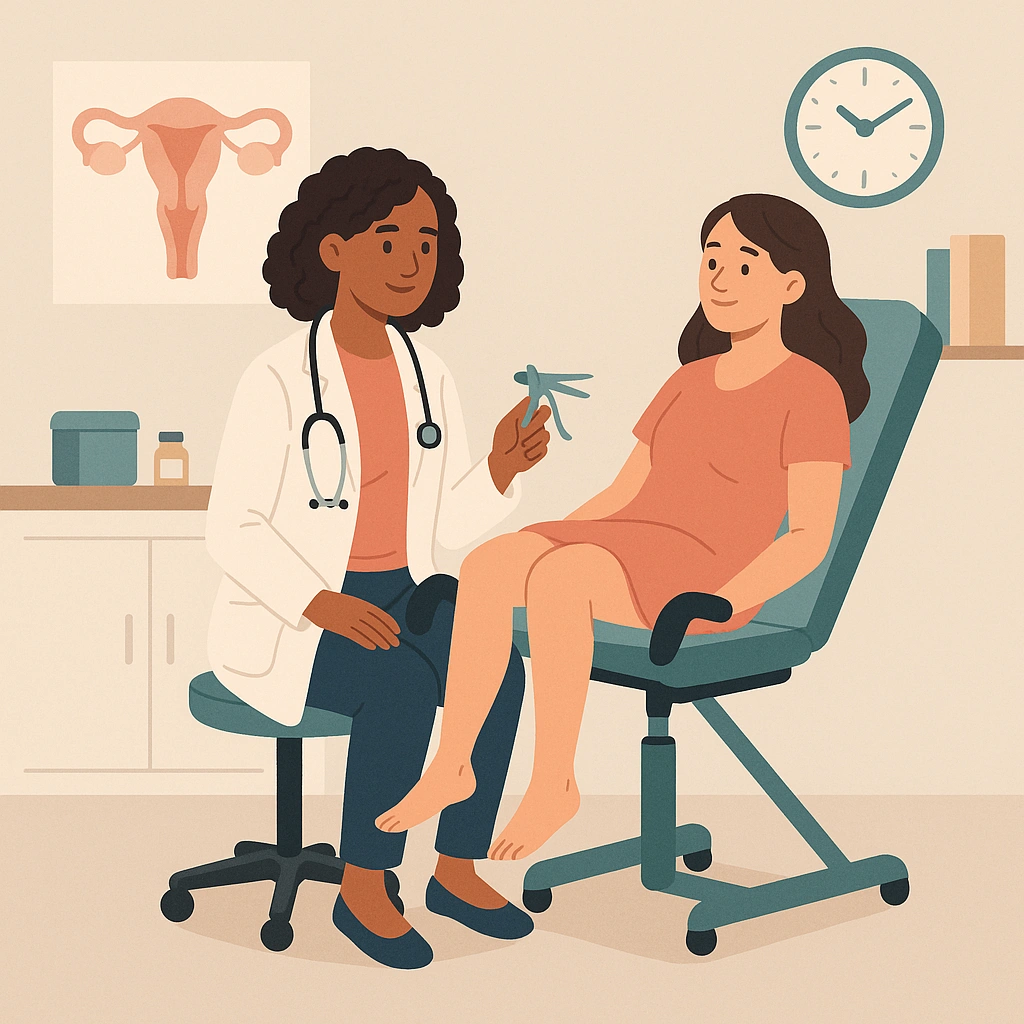
Every visit to a women's health clinic is an opportunity for education and support. Depending on the nature of your appointment, you might undergo a physical examination, pelvic exam, or breast examination. Dr. Lee, a provider at our clinic, describes how she engages with patients to alleviate anxiety surrounding these procedures. For example, she often offers a brief explanation before each step of the examination, ensuring patients feel comfortable and informed about what's happening.
Discussing Reproductive Health
Reproductive health is another critical area to prepare for. Whether you are seeking contraception, discussing fertility, or managing menopause symptoms, it's essential to articulate your concerns clearly. When Lisa, a 40-year-old woman, came in for menopause management, she prepared questions about hormone replacement therapy (HRT). This preparation facilitated a productive conversation with her provider, who could present the benefits and risks of HRT tailored to Lisa's health status and lifestyle.
Consider Mental Health
Women’s health does not only encompass physical well-being; mental health is equally important. Issues such as anxiety, depression, or stress can affect various aspects of life and health. During her visit, Emily openly discussed her experiences with postpartum depression. By approaching her provider with this concern, she received necessary support and resources for her mental health, which is often overlooked in routine health discussions.
Bringing a Support Person
If you're anxious about your visit or discussing sensitive topics, consider bringing a supportive friend or family member along. Having someone by your side can provide comfort and reassurance. For instance, when Maya, a first-time patient, brought her sister to her appointment, they both felt more at ease discussing Maya's health concerns and exploring potential treatment options. This approach often leads to more thorough discussions and better understanding.
Preparing for Follow-up Care
If your provider recommends follow-up care, take notes during your appointment. Write down any instructions or further tests you may need. After receiving a diagnosis, Rebecca was proactive in understanding her treatment options. She used the information provided during her visit to research questions she wanted to ask at the next appointment, ensuring she was engaged in managing her health journey.
Conclusion
Preparing for a women's health appointment doesn't have to be daunting. By gathering your medical history, preparing questions, and discussing your concerns openly, you can maximize the benefits of your healthcare visit. Remember that this is your health journey, and being informed empowers you to take an active role in your care.


