Signs You Need Breastfeeding Challenges Help
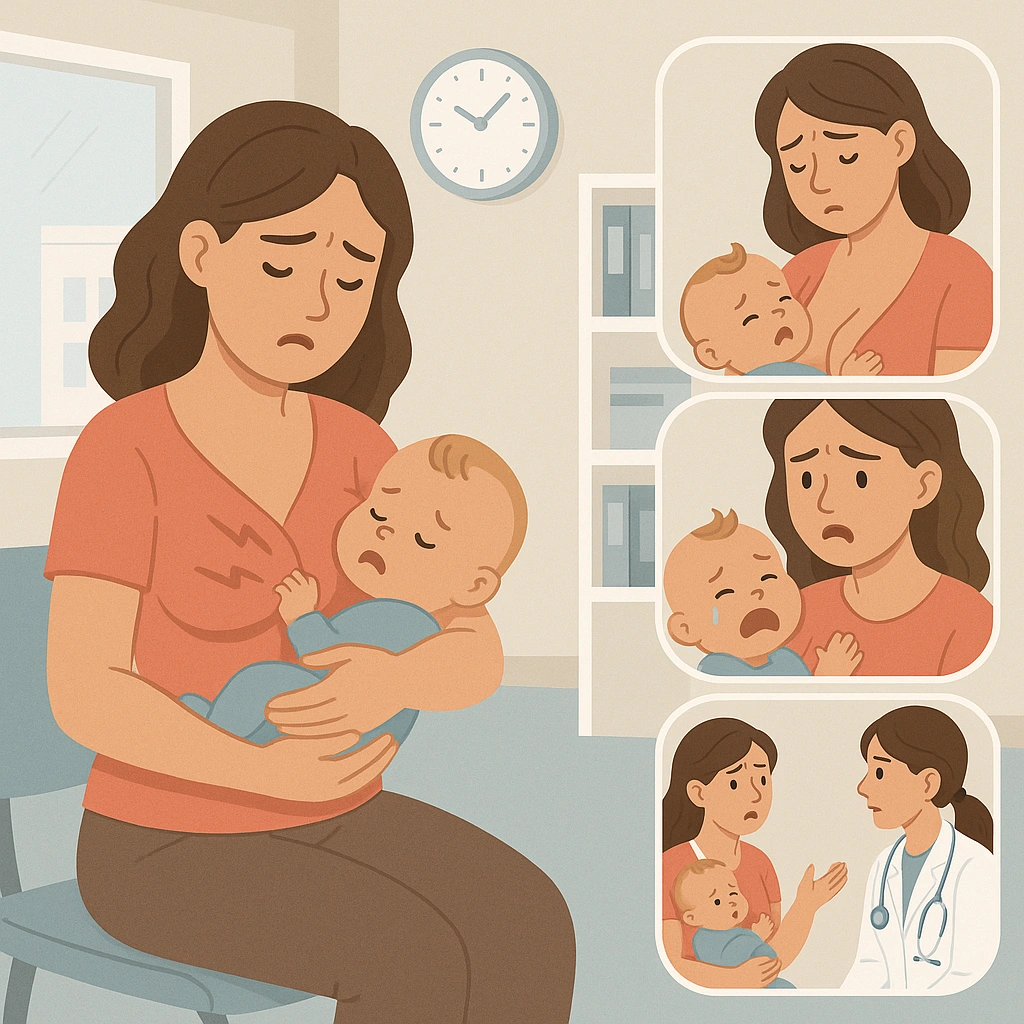
Signs You Need Breastfeeding Challenges Help
Many women wonder about the challenges that can arise during breastfeeding. It's a natural process, but it doesn't always come easily to everyone. If you’re feeling overwhelmed or unsure, it’s important to recognize the signs that indicate you may need extra support. Let’s walk through this together, empowering you to seek the help you deserve.
What to Know
Breastfeeding can bring joy and bonding moments, but it may also present challenges that can lead to frustration and anxiety. Recognizing when to seek assistance is crucial for both your well-being and your baby’s. Understanding common issues, their implications, and knowing who to turn to for help can make a significant difference in your journey. Let's outline some steps to help you identify when you might need this support.
Step 1: Assess Your Pain Levels
If breastfeeding is causing you significant pain, it’s vital to address this issue promptly. Pain during breastfeeding, whether from cracked nipples or improper latch, can discourage you and hinder your ability to continue. Medically, consistent pain can lead to stress and anxiety, which can, in turn, affect your milk supply. If discomfort persists after initial efforts to remedy it, consider consulting with a lactation consultant or your healthcare provider. Remember, you deserve a comfortable breastfeeding experience—you're doing your best!
Step 2: Monitor Your Baby's Weight Gain
Regular weight gain is a key indicator of whether your baby is feeding effectively. If you notice a plateau or your baby is losing weight, this could suggest they’re not getting enough milk. Medical professionals recommend regular check-ups during the first few weeks to monitor growth. If you have concerns about your baby's weight, reach out to your healthcare provider. Addressing feeding issues early can help ensure your baby's health and development; you are not alone in this journey.
Step 3: Look for Signs of Dehydration
Dehydration in infants can be a serious issue. Signs include fewer wet diapers, a dry mouth, or lethargy. If your baby seems excessively sleepy or isn’t rousing for feedings, it’s essential to seek help. Hydration is crucial for your baby's well-being and can impact their breastfeeding experience. If you notice these signs, contact your pediatrician or lactation consultant for guidance on improving feeding practices. You’re taking the right step in ensuring your baby stays healthy!
Step 4: Trust Your Instincts
As a new parent, you may have feelings of uncertainty, but trusting your instincts is vital. If something feels off—whether it's your baby’s feeding habits or your own emotional health—it's okay to ask for help. Frustration and anxiety can manifest in various ways, including feelings of inadequacy or doubt about your breastfeeding journey. Keep in mind that seeking help is a sign of strength, not weakness. Discuss your feelings with your healthcare provider or a lactation consultant. You've got this!
Step 5: Process Your Emotional Well-being
Breastfeeding can often come with a mix of emotions, from joy to overwhelming stress. Feelings of isolation or frustration are common, and addressing your mental health is equally important. If you’re feeling anxious or depressed, it is crucial to talk to someone about it. Healthcare providers can offer resources or direct you to support groups that provide a sense of community. You’re not alone in this journey, and it’s okay to seek support for your emotional health too.
How to Prepare for Your Appointment
When preparing to discuss breastfeeding challenges, it’s helpful to jot down your concerns and experiences. Bring a list of symptoms, a log of feeding times, and any questions you might have. This preparation can facilitate a more productive appointment, allowing you to express your needs clearly. It can also be beneficial to have a support person with you, whether it’s a partner or a trusted friend. Remember, you’re advocating for yourself and your baby, and that’s a worthy endeavor!
As you navigate your breastfeeding journey, know that support is available to you. Recognizing the signs that you may need help is a courageous first step. You're doing an incredible job, and seeking assistance when needed can only enhance your experience.


