Understanding Fibroids Tips from Healthcare Providers
Understanding Fibroids Tips from Healthcare Providers
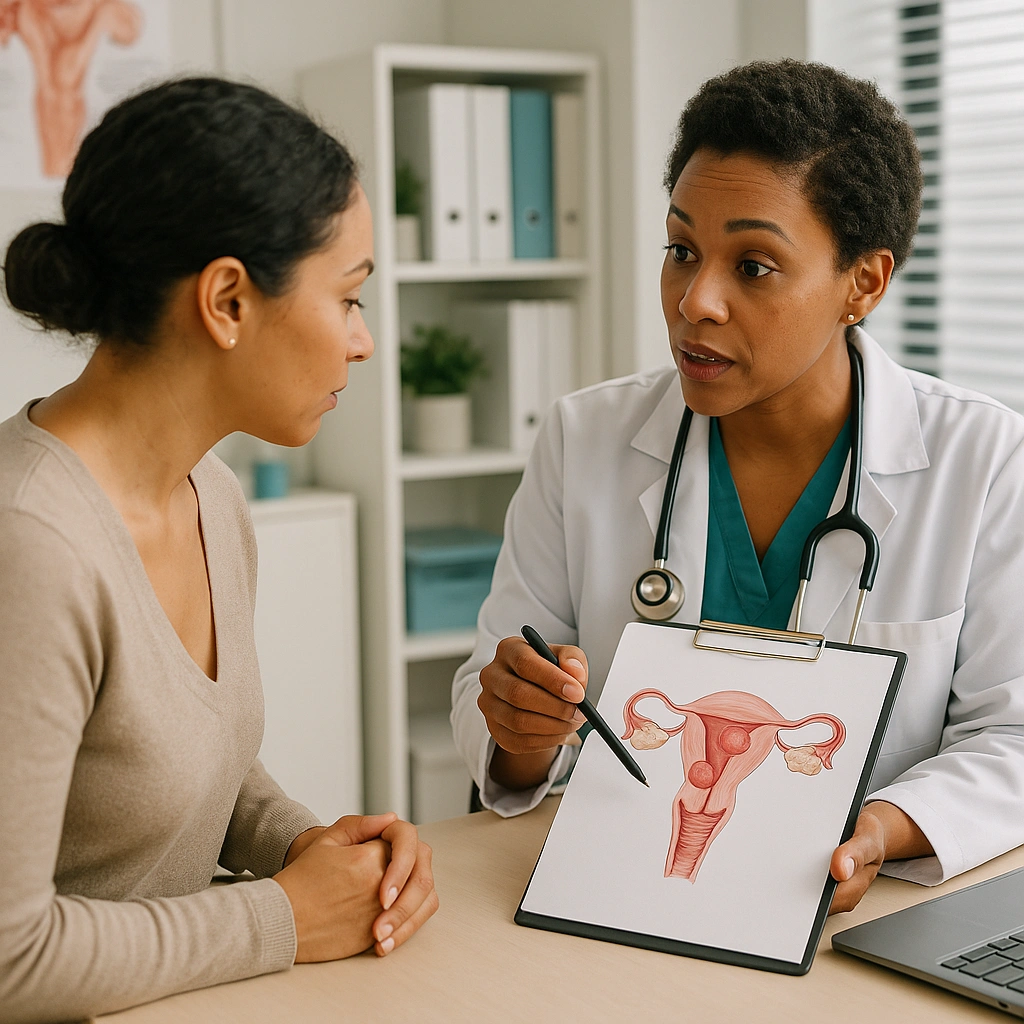
Keep this handy: If you've recently learned that you have fibroids, you may be wondering, "What does this mean for my health?" Fibroids are noncancerous growths that can develop in the uterus, and understanding them can help you navigate your health care better. Here’s a practical checklist guiding you through your journey—from preparing for your appointment to follow-up care.
Before Appointment
- Research Fibroid Types: Understand the different types of fibroids (intramural, subserosal, and submucosal) and their potential symptoms. This knowledge can help you articulate your concerns more effectively to your healthcare provider.
- List Your Symptoms: Write down any symptoms you experience, such as heavy menstrual bleeding, pelvic pain, or frequent urination. This checklist can help your provider understand your situation better.
- Consider Your Family History: If applicable, note any family history of fibroids or related reproductive issues. Family medical history can offer valuable insights during your consultation.
- Review Medications: Gather a list of all medications and supplements you are currently taking. Some treatments may interact with existing medications.
How to Prepare
- Make an Appointment: Don't hesitate to reach out to your healthcare provider if you have concerns about fibroids. Schedule an appointment for a thorough evaluation.
- Bring a Support Person: Consider bringing a trusted friend or family member to your appointment. They can help you recall information and provide emotional support.
- Prepare Questions: Write down any questions you have, such as, "What are my treatment options?" and "How will this affect my fertility?" Having questions ready ensures you don’t forget to address your concerns.
During Visit
- Speak Openly: Be honest about your symptoms and how they affect your daily life. Clear communication helps your provider make informed decisions.
- Ask About Diagnostic Tests: Inquire about potential diagnostic procedures, like ultrasounds or MRIs, to assess the size and location of the fibroids. Understanding these tests can help you feel more prepared.
- Discuss Treatment Options: Talk about various treatment avenues, which can range from watchful waiting to medication or even surgical options. Your provider can help tailor a plan that fits your health goals.
- Understand Risks and Benefits: Ask your provider to explain the risks and benefits of any recommended treatments. Knowing these details empowers you to make informed choices about your care.
After Care
- Follow Post-Visit Instructions: Pay attention to any aftercare instructions your provider gives you. This can include medication schedules or activity restrictions to ensure optimal healing.
- Monitor Symptoms: Keep a journal to track your symptoms after your appointment. Any changes can provide valuable information for future visits.
- Stay Informed: Continue learning about fibroids and treatment options. Reliable sources include reputable medical websites or support groups.
Follow-Up
- Schedule Regular Check-Ins: Depending on your situation, regular follow-up appointments may be necessary. These check-ins help assess how well your treatment is working and to adjust plans if needed.
- Communicate Changes: Inform your healthcare provider about any new symptoms or changes in your health. Timely communication can be crucial for effective management.
- Evaluate Impact on Life: Reflect on how your treatment is impacting your daily activities, mood, and overall health. This evaluation can guide future conversations with your provider about your care.
- Advocate for Yourself: Remember, you have the right to discuss your treatment options and seek a second opinion if necessary. Your health is a priority, and you deserve the best care possible.
We’re here to help you navigate fibroids and their treatment. Understanding your body and having open conversations with your healthcare provider are vital steps in managing your health effectively.
For more women's health resources, Schedule comprehensive women's health services.


