What Questions to Ask About Women's Health
What Questions to Ask About Women's Health
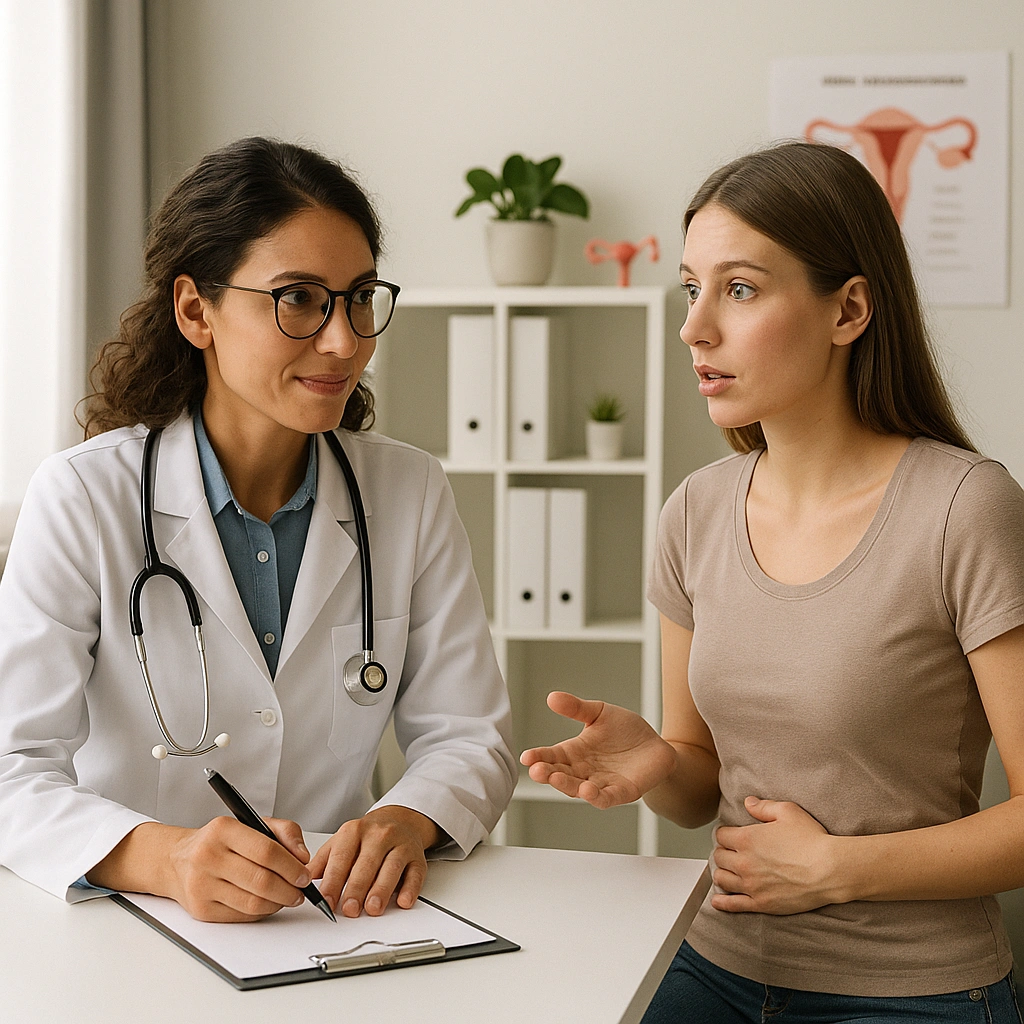
Women's health is a broad and vital field that encompasses a range of issues from reproductive health to chronic disease prevention. Navigating the complexities of health care can be challenging, particularly when it comes to sensitive topics. Having a clear set of questions to ask during appointments can empower women to take charge of their health. Below we explore critical questions across various aspects of women's health.
Understanding Reproductive Health
One of the most significant areas of women’s health revolves around reproductive health. This includes menstruation, contraception, pregnancy, and menopause. For instance, a woman may wonder about the most suitable contraceptive method for her lifestyle. It’s important to ask, “What are the benefits and risks of this method?” A health provider can explain options such as hormonal birth control, IUDs, or natural methods and tailor recommendations based on personal health history.
Additionally, questions about menstruation can also be crucial. A patient experiencing heavy periods may ask, “What could be causing my heavy bleeding?” This opens up a dialogue about potential issues such as fibroids or hormonal imbalances, leading to appropriate testing or treatment options.
Screenings and Preventative Care
Preventive care and regular screenings are essential for maintaining health and catching potential issues early. Women should inquire about necessary screenings based on age and family history. A common question might be, “When should I start getting mammograms?” Healthcare providers typically recommend starting mammograms at age 40, but personal risk factors could prompt earlier screenings.
Additionally, discussions about sexual health are critical. Asking, “What screenings should I have for sexually transmitted infections?” can lead to proactive measures. Regular screenings and open discussions about sexual health can significantly impact long-term well-being.
Chronic Health Conditions
Women often face specific health challenges that can be chronic in nature, such as endometriosis, polycystic ovary syndrome (PCOS), or diabetes. For example, a woman diagnosed with PCOS may ask, “How does this condition affect my fertility?” This question can help in understanding her treatment options and implications for family planning.
Similarly, conditions like anxiety and depression are prevalent among women. If a patient is feeling persistently low, asking, “What are my options for managing these feelings?” can initiate a conversation about mental health resources, including therapy, lifestyle changes, or medication options tailored to individual situations.
Healthy Lifestyle Practices
Many health issues can be positively influenced by lifestyle changes. Women can benefit from asking, “What dietary changes can I make to improve my overall health?” A healthcare provider can suggest a well-balanced diet rich in nutrients that cater to specific conditions, such as iron for those with heavy menstrual bleeding or calcium for bone health.
Exercise is another vital topic. Questions like, “What type of exercise is best for my age and fitness level?” can provide insights tailored to a woman’s personal circumstances, promoting an active and healthy lifestyle that can prevent numerous health issues.
Emotional and Mental Health Considerations
Women’s health also encompasses mental and emotional well-being. It's important to address these aspects when discussing health. A woman might ask, “What resources are available for stress management?” This question can lead to a discussion about various coping strategies, including mindfulness, counseling, and support groups.
Moreover, questions about changes during different life stages—such as postpartum adjustments or menopause—can help normalize experiences and open avenues for support and treatment options.
Conclusion
Addressing women’s health comprehensively involves asking the right questions. Whether the concern is related to reproductive health, chronic illness, preventative screenings, lifestyle modifications, or mental health, knowledge and open communication with a healthcare provider are essential. Empowerment comes from being well-informed and actively participating in one’s health journey.


