What's Involved in Postpartum Care Essentials?
What's Involved in Postpartum Care Essentials?
Proactive care matters: After the journey of pregnancy and childbirth, your body enters a new phase that requires careful attention. Postpartum care is essential for your recovery and well-being, focusing on both physical and emotional health. The weeks and months following delivery can be challenging, and understanding what to expect can empower you to advocate for your health effectively.
The Importance of Prevention
Preventive care during the postpartum period is vital to identify potential health issues early on and to support overall wellness. Many women experience physical and emotional changes after childbirth that may require medical attention. For instance, postpartum depression affects about 15% of new mothers, yet it remains underdiagnosed. The earlier you recognize symptoms, the more proactive you can be in seeking help.
Screening Recommendations
Physical Health Assessments
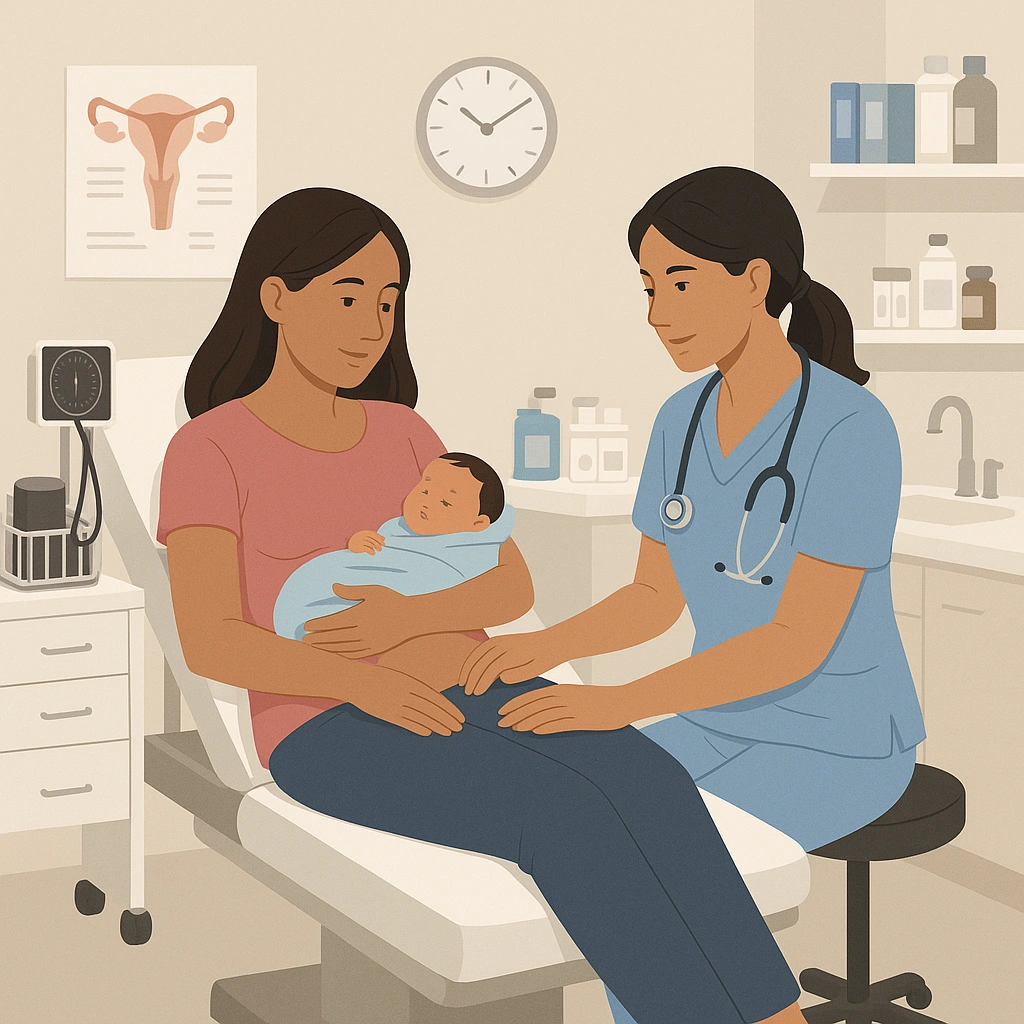
Most healthcare providers recommend a postpartum check-up within six weeks of delivery. This visit is crucial for evaluating your recovery and addressing any concerns. During this appointment, your provider will assess your physical health, including any lingering pain, healing from any lacerations or cesarean sections, and your overall physical recovery. Expect to discuss topics such as menstrual cycle return and contraception options.
For women with specific health concerns like gestational diabetes, additional screenings may be needed. Typically, a glucose tolerance test is recommended around six months postpartum to ensure blood sugar levels have returned to normal. If you experienced high blood pressure during pregnancy, monitoring your blood pressure in the postpartum period is also essential.
Mental Health Screenings
Recognizing the importance of mental health is critical during this period. The American College of Obstetricians and Gynecologists suggests screening for postpartum depression at least once during the first year postpartum. If you're feeling persistently sad, anxious, or overwhelmed, it’s important to discuss these feelings with your provider.
Lifestyle Factors for Wellness
Your recovery can be significantly influenced by lifestyle choices. Prioritizing nutrition, exercise, and proper sleep can facilitate healing. After giving birth, your body needs adequate nutrition to recover and support breastfeeding if you choose to do so. Incorporating a balanced diet rich in vitamins and minerals can help you regain energy and improve mood.
Physical activity can also play a role in postpartum recovery. While it’s advised to ease back into exercise gradually, light activities like walking can be beneficial. Usually, it's safe to resume moderate exercise around six weeks postpartum, but always consult your provider to tailor a suitable plan for your recovery. Often, simple activities like carrying your baby or gentle stretching can be a good start.
Self-Care and Support Systems
Self-care is vital during this transitional period. Engage in activities that help you relax and rejuvenate, whether it's reading a book, practicing mindfulness, or taking a warm bath. Building a support system, including friends, family, or even support groups, can provide the emotional backing you need. Remember, you’re not alone in this journey; seeking support is a sign of strength.
Working with Your Provider
A strong partnership with your healthcare provider can make a world of difference in your postpartum experience. Be open about your concerns—whether they're physical, emotional, or related to breastfeeding. Your provider is there to help guide you through this process with compassion and understanding.
Creating a postpartum care plan together can help address any unique challenges you may face. For example, if you’re struggling with breastfeeding, your provider can refer you to a lactation consultant to support your feeding goals. If you're experiencing anxiety or depression, they can connect you with mental health professionals.
Timelines to Keep in Mind
Postpartum recovery isn’t a one-size-fits-all journey; however, understanding typical timelines can help set expectations. Most physical healing, such as recovering from an episiotomy or c-section, may take around 6-8 weeks, but complete recovery can take several months. For emotional well-being, while signs of postpartum depression can arise within the first few weeks, symptoms can sometimes develop up to a year after childbirth. Regular check-ins with your healthcare provider can help monitor your progress.
Follow-ups for physical health, such as routine pap smears, are also typically recommended within three years after delivery. If you have specific concerns or conditions, your provider may suggest more frequent screenings or tests tailored to your health history.
Empower Your Postpartum Experience
As you navigate this period of profound change, remember that your health is paramount. Staying proactive about your care is key. Don’t hesitate to reach out to your healthcare provider with questions or concerns, and trust in your ability to advocate for your own health. You've got this!


