When Should You Consider Women's Health?
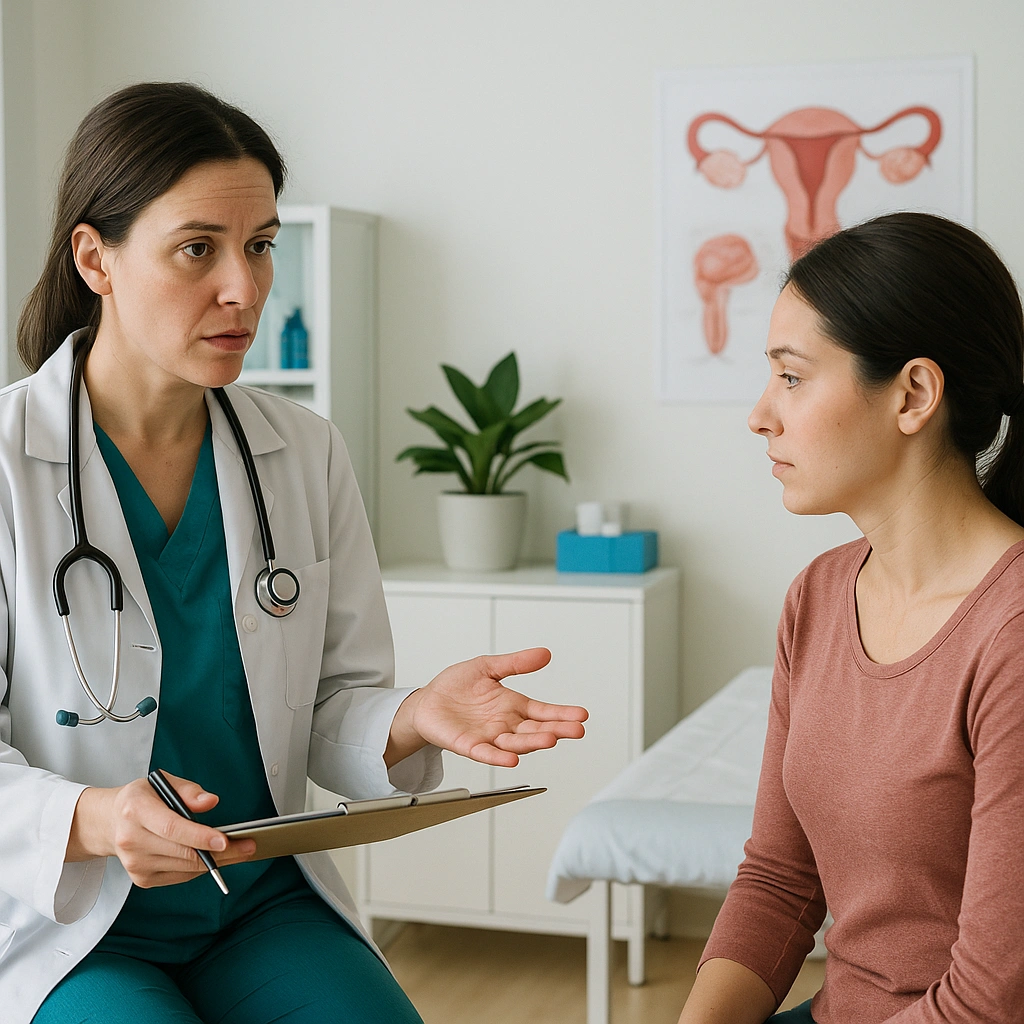
When Should You Consider Women's Health?
Women's health encompasses a wide spectrum of concerns that are vital for maintaining overall well-being. Many women wonder when they should start paying closer attention to specific health issues. Understanding the various stages of a woman's life can help you recognize when medical attention may be necessary. It's essential to approach these topics with compassion and awareness.
The Early Years: Adolescence and Menstrual Health
The teenage years can be an overwhelming time as young women experience physical and emotional changes. For instance, a 15-year-old named Maria began her first period but struggled with painful cramps and heavy bleeding. Such symptoms can be indicative of conditions like endometriosis or uterine fibroids. Adolescents should have open conversations with their healthcare providers about menstrual irregularities or severe discomfort. This is a crucial step in advocating for one's health from an early age.
Reproductive Health: Family Planning and Fertility
As women transition into their twenties and thirties, the focus often shifts toward reproductive health and family planning. Take the case of Elena, a 32-year-old who has been trying to conceive for over a year without success. Fertility issues can stem from various factors, including age, hormonal imbalances, or underlying health conditions. Engaging with a healthcare provider can provide insights into fertility evaluations and potential treatment options, ensuring a supportive path toward motherhood.
Screening for STIs
Another vital aspect of women’s health in this age group is sexually transmitted infections (STIs). Routine screenings, especially for those with new or multiple partners, are crucial. Emily, who recently became sexually active, learned the importance of regular STI screenings after experiencing unusual symptoms. Early detection not only aids in treatment but also protects partners and future health.
Transitioning Through Midlife: The Impact of Menopause
For many women, the late thirties to early fifties brings significant hormonal changes as they approach menopause. This transition can be marked by symptoms like hot flashes, mood swings, and changes in sexual health. Lisa, aged 48, found herself feeling increasingly irritable and noticed changes in her sleep patterns. By discussing these symptoms with her healthcare provider, she learned about various management strategies that could improve her quality of life during this transition.
Bone Health and Cardiovascular Risks
Another critical consideration during this period is the increased risk of osteoporosis and cardiovascular diseases. Sarah, a 50-year-old woman, was surprised to learn that after menopause, the risk of heart disease significantly increases. Regular check-ups to monitor blood pressure, cholesterol levels, and bone density can be life-saving. Nutritional counseling and exercise recommendations can empower women to take proactive steps in maintaining their health.
Senior Health: Embracing the Golden Years
As women enter their sixties and beyond, they may face unique health challenges that require special attention. This stage of life is marked not only by physical changes but also by emotional and psychological adjustments. For instance, Nancy, who is 65, discovered she needed to address her mental health after experiencing loneliness following her retirement. Mental health is just as vital as physical health and should be discussed openly with care providers.
Regular Screenings and Preventive Care
Seniors should prioritize preventive care, including regular screenings for breast and cervical cancer. Women like Joan, who is 70, learned the importance of mammograms after a routine check-up revealed an area of concern. Early detection made all the difference in her treatment journey. Regular screenings are essential for catching potential health issues early and ensuring timely interventions.
Conclusion: It's Never Too Early or Late to Focus on Women's Health
Women of all ages can benefit from prioritizing their health. Whether it’s managing menstrual irregularities, discussing fertility options, coping with menopause, or addressing senior health issues, being proactive is key. While individual experiences and concerns may vary, having conversations with trusted healthcare providers can guide women through their health journeys. Remember, every stage of life brings its own challenges and opportunities for growth, and seeking help is a sign of strength.


