How to Prepare for Women's Health
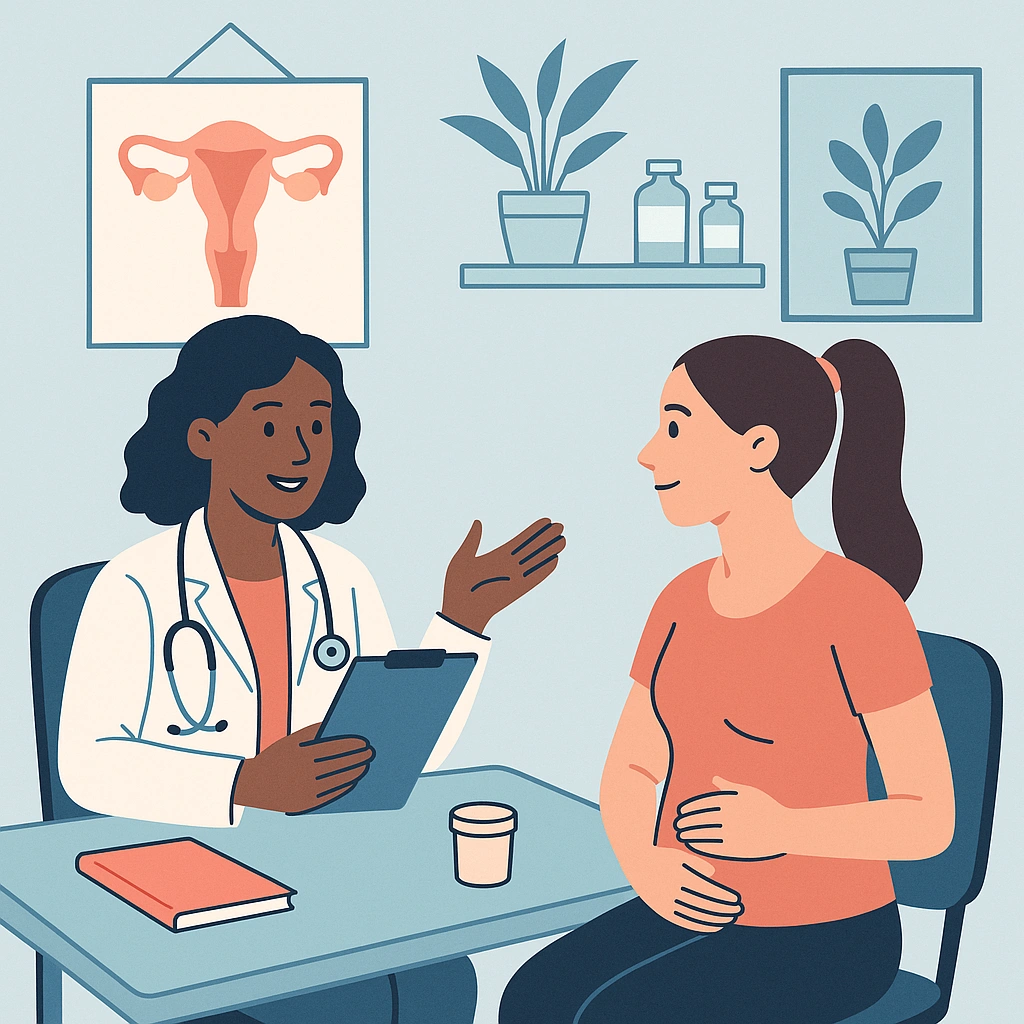
How to Prepare for Women's Health
Understanding your health as a woman is vital, and knowing how to prepare for various health services can help you feel more confident and informed. From routine check-ups to more specialized care, being prepared can enhance the effectiveness of your appointment and contribute to your overall health. Below, we explore various aspects of women's health and how to approach them with proactive measures.
Routine Check-Ups: What to Expect
Annual visits to your healthcare provider are essential for monitoring your health, and they often include a range of services such as physical examinations, screenings for breast and cervical cancer, and discussions about reproductive health. For instance, Sarah, a 32-year-old patient, felt nervous about her first gynecological exam. To prepare, she documented her menstrual cycle, any medications she was taking, and concerns she wanted to discuss, such as irregular periods and heavy cramping. When she arrived, the provider could better address her specific needs, ensuring a more personalized and comfortable experience.
Preparing for a Pap Smear
One of the key components of a routine check-up is the Pap smear, a test that screens for cervical cancer. If you're due for this test, there are a few ways to prepare. Avoid intercourse, douching, or using vaginal products for 24 hours before your appointment. Lisa, a 28-year-old, learned this the hard way when she arrived for her appointment only to be told she needed to reschedule. By understanding the prep required, she ensured her next visit was successful and stress-free.
Mental Health Considerations
Mental health is a crucial component of overall wellness that often takes a backseat in health discussions. Women's mental health issues, such as postpartum depression or anxiety, can have significant effects on daily life. For example, Maria experienced anxiety after the birth of her child but was unsure how to address it during her routine visit. By preparing a list of her feelings and triggers beforehand, she was able to communicate more effectively with her healthcare provider. This preparation not only helped her receive the right guidance but also made her feel heard and validated.
Understanding Hormonal Changes
As women progress through different life stages, hormonal changes can affect mood, weight, and overall health. If you’re experiencing symptoms like irregular periods, hot flashes, or changes in libido, keeping a journal of your symptoms can be beneficial for your healthcare provider. For example, Jessica, a 45-year-old, noticed significant changes during perimenopause but felt overwhelmed discussing them. With her journal, she was able to pinpoint patterns and seek targeted advice, leading to a treatment plan that improved her quality of life.
Breast Health: Self-Examinations and Mammograms
Breast health is another critical aspect of women's health. Regular breast self-examinations and mammograms can be lifesaving. It's important to know how to perform a self-exam and what to look for. For instance, Emily, at 40, made it a routine to perform her self-exams monthly. When she found a lump, she promptly scheduled a mammogram, which led to early detection of a benign condition. Understanding your own body is your first line of defense.
Screening Recommendations
Guidelines for mammograms usually start at age 40, but if you have a family history of breast cancer, your provider might recommend starting earlier. Being proactive about scheduling and understanding the process can alleviate anxiety. Speaking with health professionals about your family history can help tailor the screening plan that best suits your risk profile.
Nutrition and Lifestyle
Finally, discussing nutrition and lifestyle choices is essential during health appointments. A balanced diet and regular physical activity can significantly influence your health outcomes. Consider bringing a food diary to your appointments, like Karen did, who successfully identified dietary habits affecting her energy levels and mood. This information helped her doctor suggest practical changes that led to noticeable improvements in her overall well-being.
Conclusion
Preparing for women's health services involves a proactive approach to your health. By documenting your health history, understanding the examinations you will undergo, and communicating openly with your healthcare provider, you can enhance your healthcare experience. Whether it's for routine check-ups or specialized services, feeling prepared can turn a potentially daunting experience into an empowering one. At Clinica Santa Maria, we’re committed to providing compassionate, thorough care tailored to your unique needs.


