How to Prepare for Your Annual Women's Health
How to Prepare for Your Annual Women's Health
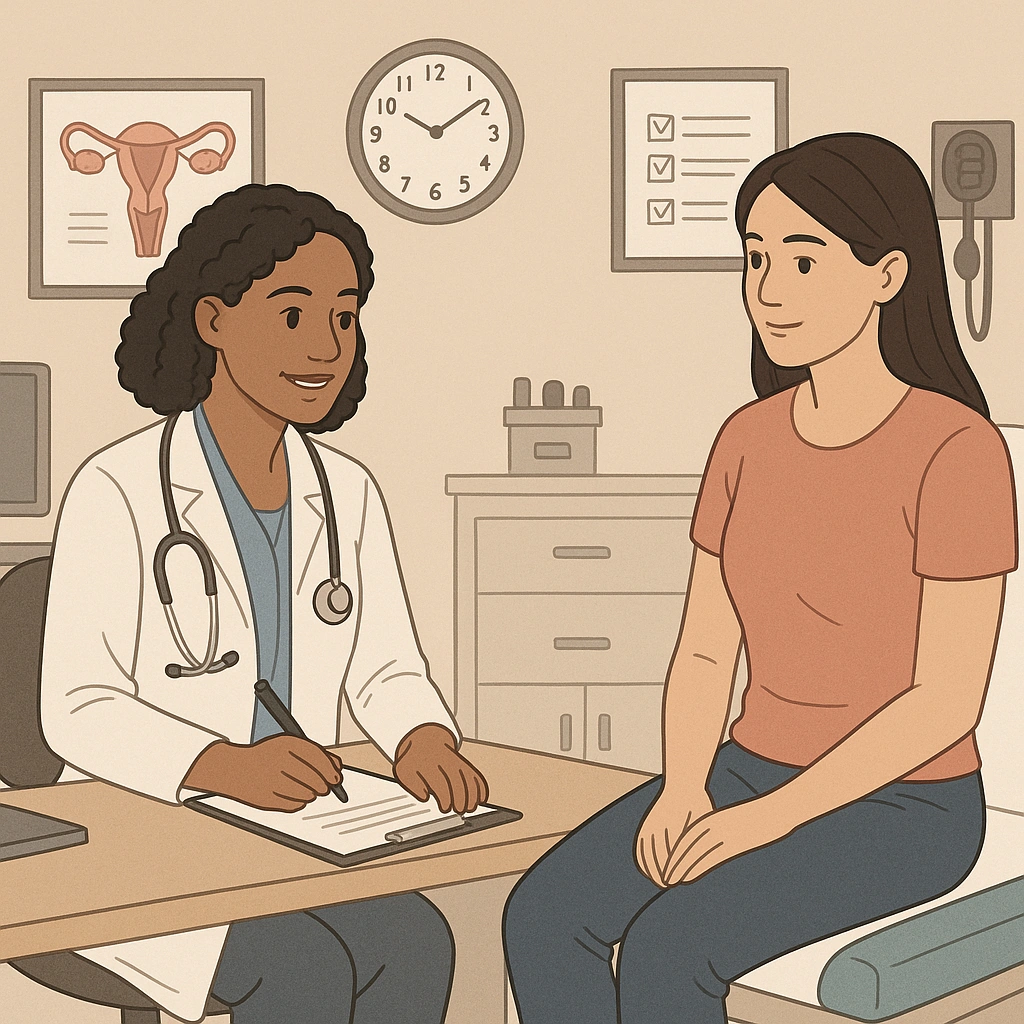
Many women wonder how to best prepare for their annual women's health visit. This important check-up can feel overwhelming, but understanding your options can make the process smoother and more effective. When it comes to your annual screening, you typically have two main approaches: a traditional in-person visit with a healthcare provider or a telehealth consultation. Each option has its unique benefits and potential downsides, which we’ll explore to help you decide which is right for you.
The Traditional In-Person Visit
The traditional approach involves scheduling an appointment with a healthcare provider for an in-person examination. This visit usually includes a physical exam, standardized tests such as pap smears, breast exams, and other screenings based on your age and health history. For example, if you are due for a mammogram, your provider will ensure you are referred to a facility and can even assist with scheduling.
Pros
- Personal Interaction: Many women find value in face-to-face interaction with their healthcare provider. This allows for a more nuanced discussion about health concerns.
- Comprehensive Examinations: Physical exams can be thorough, as providers can perform tests and examinations that may require direct contact.
- Immediate Follow-Up: If any issues arise during your visit, you can often receive referrals and follow-up care the same day.
Cons
- Time-Consuming: In-person visits can take longer due to travel and waiting times, which may not be feasible for everyone.
- Exposure to Illness: Depending on health events, the clinic may have a higher risk of exposure to illnesses.
- Less Flexibility: You have to fit your schedule into the clinic's hours, which may not always align.
The Telehealth Consultation
Telehealth appointments are becoming increasingly popular, allowing you to consult with your healthcare provider via video call from the comfort of your home. This method is particularly useful for discussing health concerns, reviewing results, and receiving guidance on lifestyle changes without requiring a physical exam for every visit.
Pros
- Convenience: You can attend your appointment from anywhere, eliminating travel time and making it easier to fit into your schedule.
- Access to Specialists: Telehealth opens doors to providers who may not be available locally, ensuring you receive specialized care when necessary.
- Reduced Exposure Risks: This option minimizes the need for in-person visits, which is especially beneficial during flu season or other health crises.
Cons
- Lack of Physical Examination: Some screenings may require a physical presence, which may lead to delays in finding issues that need immediate attention.
- Technological Barriers: Not everyone is comfortable with technology, and connectivity issues can disrupt the appointment.
- Limited Scope: Complex health issues may be better addressed in an in-person visit.
When to Choose Each Option
Both options have their place in women’s health. If you are overdue for a pelvic exam, pap smear, or if you have specific concerns that require physical assessment, an in-person visit is definitely the way to go. For example, if you have a history of abnormal pap results, your provider may recommend a thorough in-person examination.
On the other hand, if you’re looking to discuss lifestyle choices, mental health, or if you have a chronic condition that requires frequent monitoring, a telehealth consultation may be sufficient. For instance, a woman managing an autoimmune condition might benefit from a telehealth appointment to monitor her symptoms without the need for a full physical exam each time.
Standard Screening Recommendations
The U.S. Preventive Services Task Force offers guidelines for women's health screenings. For example, women aged 21 and older should have a pap smear every three years. Once you reach 30, you can opt for a pap and HPV test every five years instead. Mammograms are generally recommended to start at age 40, with annual screenings suggested thereafter. Understanding these timelines can help you prepare for your visit, regardless of the format.
Conclusion
Your annual women's health visit is a vital part of maintaining your well-being. While both in-person and telehealth appointments are valuable options, understanding their pros and cons will help you choose what’s best for your situation. Whether you decide on a traditional visit or a telehealth consultation, the important thing is to stay proactive about your health. Be sure to keep track of your screening timeline and communicate openly with your provider about any health concerns. Remember, the goal is to ensure you receive timely and appropriate care tailored to your individual needs.


