Top Tips for Women's Health
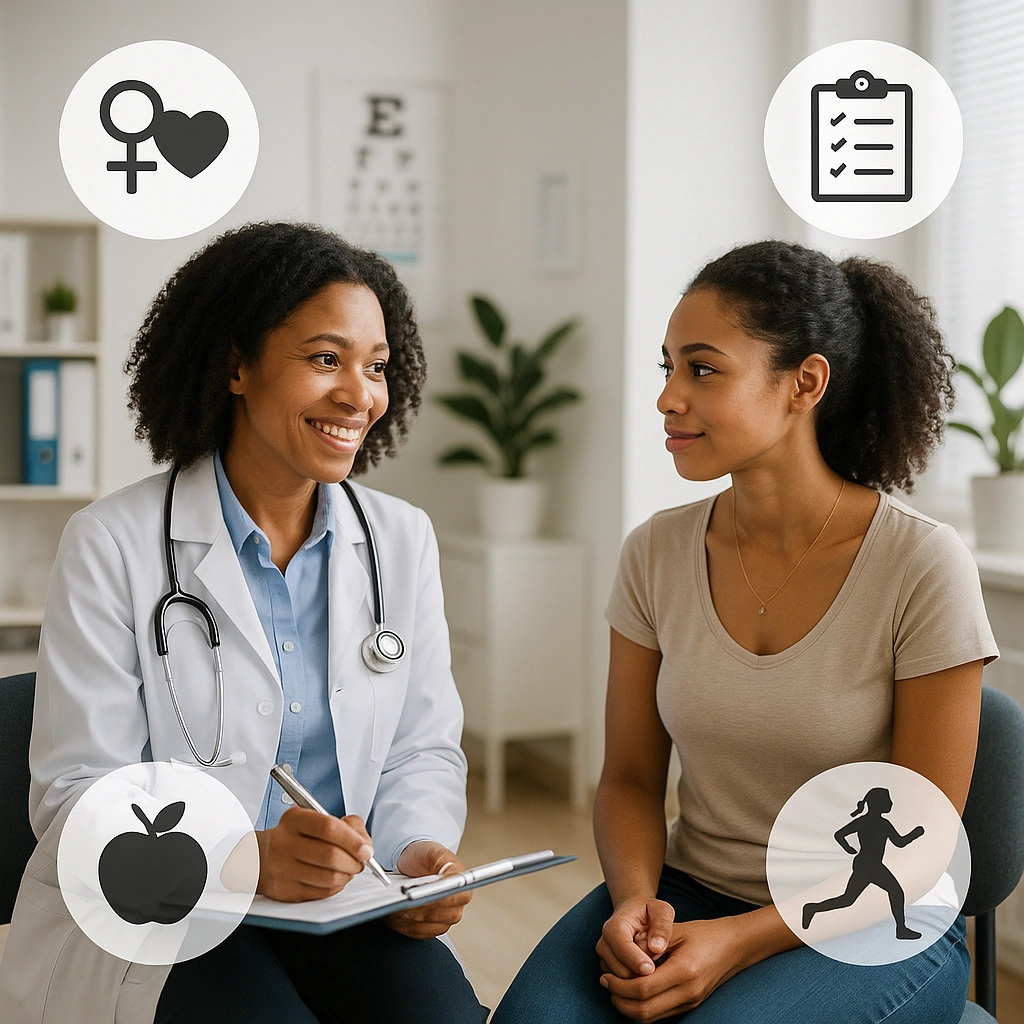
Top Tips for Women's Health
Women's health is an essential aspect of overall well-being that encompasses a wide range of physical, mental, and emotional factors. The journey through womanhood includes various stages, from puberty to menopause, each with unique challenges and healthcare needs. Understanding these aspects can empower women to take charge of their health and make informed decisions. Here are some top tips to help navigate these important stages while prioritizing wellness.
Regular Health Screenings
One of the most effective ways to maintain good health is by staying up-to-date with regular health screenings. For example, a 35-year-old woman, Maria, decided to schedule her annual well-woman exam after experiencing irregular menstrual cycles. During her visit, her healthcare provider was able to conduct a Pap smear, which is crucial for detecting cervical cancer in its early stages. Regular screenings such as mammograms, Pap tests, and pelvic exams can significantly reduce the risk of severe health issues.
Understanding Menstrual Health
Many women face issues related to their menstrual health, like heavy bleeding or severe cramps. Sarah, a 28-year-old patient, often struggled with debilitating pain during her periods. After discussing her symptoms with her healthcare provider, she learned that conditions like endometriosis or fibroids could be the culprits. Awareness of these conditions can lead to effective treatment options that improve quality of life, including hormonal therapies or minimally invasive procedures.
Nutrition and Physical Activity
A balanced diet and regular exercise play a significant role in women's health. Considering the case of Lisa, a 40-year-old mother of two, who found it challenging to maintain a healthy lifestyle due to her busy schedule. By incorporating small changes, such as meal prepping on weekends and including family-friendly exercise routines like biking, Lisa noticed improvements in her energy levels and mood. Understanding the importance of nutrition and physical activity can help manage stress and weight, leading to a healthier life.
Focus on Mental Health
Mental health is equally as important as physical health. Depression and anxiety can affect women significantly, especially during hormonal changes such as pregnancy or menopause. For instance, after giving birth, Emily experienced postpartum depression, which made coping with new motherhood particularly challenging. Seeking help from a mental health professional and participating in support groups helped her navigate this difficult time. Recognizing the signs of mental health struggles and seeking support can foster resilience.
Reproductive Health Awareness
Understanding reproductive health is critical for all women, especially when it comes to fertility and family planning. Taking the case of Jessica, who struggled with infertility for several years, we see the importance of education and proactive measures. After consulting with a reproductive specialist, she learned about various options available to her, from fertility treatment to lifestyle changes that could improve her chances of conception. Empowering women with knowledge about their reproductive health can lead to informed choices and better outcomes.
Support Through Menopause
Menopause marks a significant transition in a woman's life. Some women experience symptoms like hot flashes, mood swings, and weight gain, which can be overwhelming. For example, Linda, a 55-year-old, sought advice when her symptoms impacted her daily life. Through lifestyle adjustments, including dietary changes and stress management techniques, she gained better control over her symptoms. It’s important for women to have access to resources and expert guidance during this transitional phase.
Building a Support Network
A robust support network can enhance a woman's health journey. Whether it’s friends, family, or professional communities, having these connections can make a significant difference. For example, after her diagnosis of breast cancer, Maria found strength in a support group of women who shared similar experiences. This connection not only provided emotional support but also valuable resources and information regarding treatment options.
Staying Informed and Engaged
Ultimately, staying informed about health issues and actively engaging in healthcare decisions is crucial for women. This entails asking questions during healthcare visits, educating oneself about health conditions, and advocating for personal health needs. Clinics like Clinica Santa Maria offer a range of services that can help empower women in their health journeys through education and expert guidance.


