What's Involved in Women's Health?
What's Involved in Women's Health?
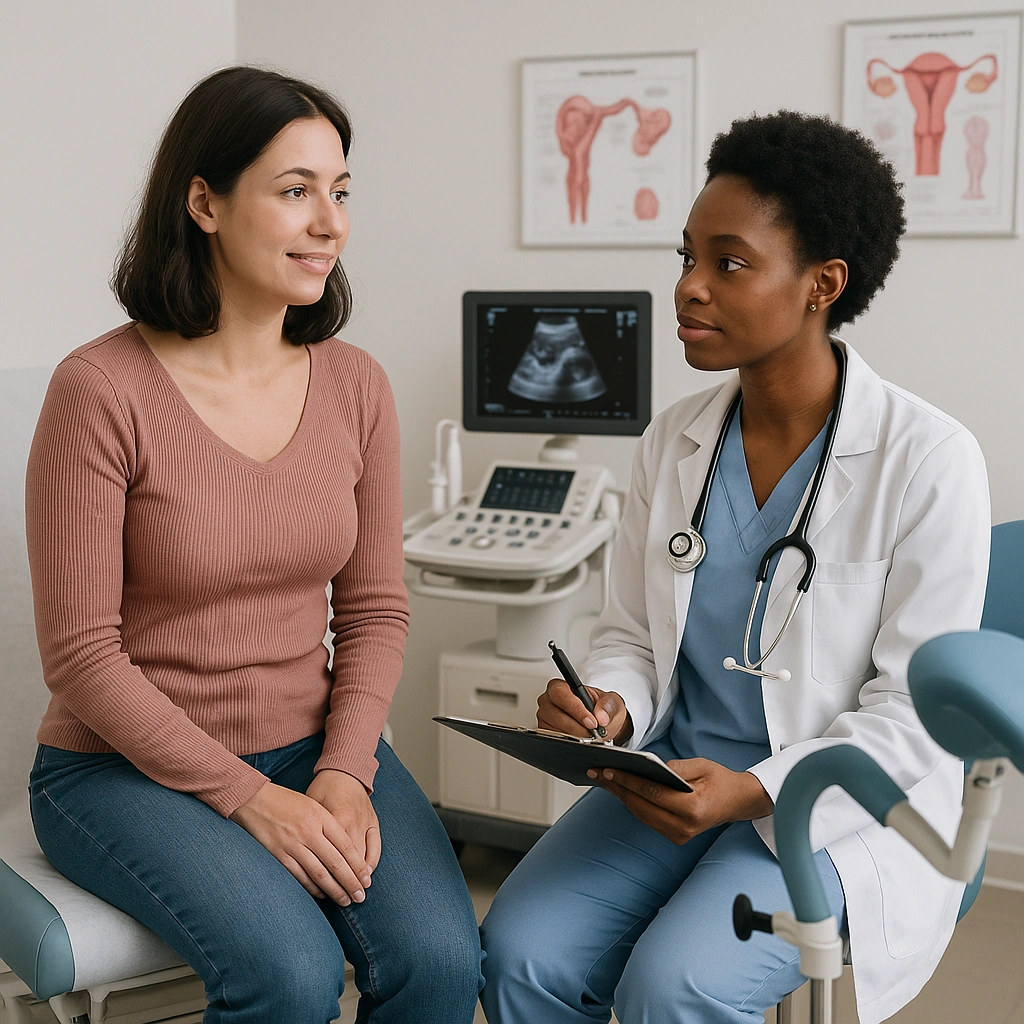
Women's health encompasses a broad range of medical services and specialties that address the physical, emotional, and social well-being of women throughout various stages of their lives. From adolescence to menopause and beyond, the healthcare challenges and needs of women are unique and multifaceted. Understanding what is involved in women's health can empower patients to make informed decisions regarding their healthcare.
What is Women's Health?
Women's health is a subfield of medicine that focuses specifically on the conditions and diseases that affect women. It includes reproductive health, hormonal changes, and preventive care, needing a comprehensive approach that considers the biological and psychosocial factors influencing women's health. Regular screenings, educational resources, and tailored treatment options are crucial components in providing effective care.
Key Areas of Women's Health Services
Reproductive Health
Reproductive health is a cornerstone of women's health services. Regular gynecological exams, including Pap smears and pelvic examinations, are vital for early detection of conditions such as cervical cancer and sexually transmitted infections. For instance, a 28-year-old patient named Sarah visited her healthcare provider concerned about irregular periods. Through a thorough evaluation, she was diagnosed with polycystic ovary syndrome (PCOS), a common condition affecting hormonal balance and fertility. With the right treatment plan, Sarah learned to manage her symptoms effectively.
Menstrual Disorders and Menopause
Menstrual health is another crucial area. Irregularities in menstrual cycles, such as heavy bleeding or severe discomfort, can significantly impact daily life. Claire, a 35-year-old patient, experienced severe cramps and heavy periods that affected her work and social activities. After consulting with her healthcare provider, she was found to have fibroids, noncancerous growths in the uterus. Treatment options ranged from medication to minimally invasive procedures, allowing Claire to regain control over her health.
As women transition into menopause, they may face various symptoms, including hot flashes, mood changes, and vaginal dryness. Awareness and education about these changes can alleviate discomfort and improve quality of life. Laura, a 52-year-old woman, sought help for her menopausal symptoms. An individualized approach that included hormone therapy and lifestyle modifications greatly improved her experience during this stage of life.
Pregnancy and Maternal Health
Pregnancy is a significant event in women's health, requiring specialized care to ensure the well-being of both mother and baby. Regular prenatal check-ups help monitor the health of the pregnancy and allow early detection of potential complications. Jessica, a 30-year-old first-time mother, faced gestational diabetes during her pregnancy. Through careful monitoring and a collaborative care plan, Jessica successfully managed her condition, resulting in a healthy delivery.
Breast Health
Monitoring breast health is also vital. Regular screenings such as mammograms can aid in the early detection of breast cancer, significantly improving treatment outcomes. For example, Maria, a 48-year-old woman, had her first mammogram at the advice of her doctor. The screening revealed an early-stage breast cancer diagnosis, allowing her to begin treatment early and giving her the best chance for recovery.
Mental Health Considerations
Mental health plays a crucial role in women's overall well-being. Conditions such as depression and anxiety can impact any stage of life, from adolescence to menopause. A compassionate approach to mental health can help women navigate the emotional complexities associated with various health challenges. Lisa, a 40-year-old patient, found herself struggling with anxiety following her second child’s birth. Through therapy and support, Lisa developed coping strategies that significantly improved her mental health and her ability to enjoy motherhood.
Conclusion
Women's health involves a wide array of services that ensure comprehensive care throughout different life stages. From reproductive health to mental well-being, each aspect is essential to promoting healthy lives for women. Education, early detection, and compassionate care empower women to take charge of their health and well-being. Regular check-ups, open communication with healthcare providers, and knowledge about symptoms and treatment options are vital in building a proactive approach to women's health.


