Everything About Women's Health
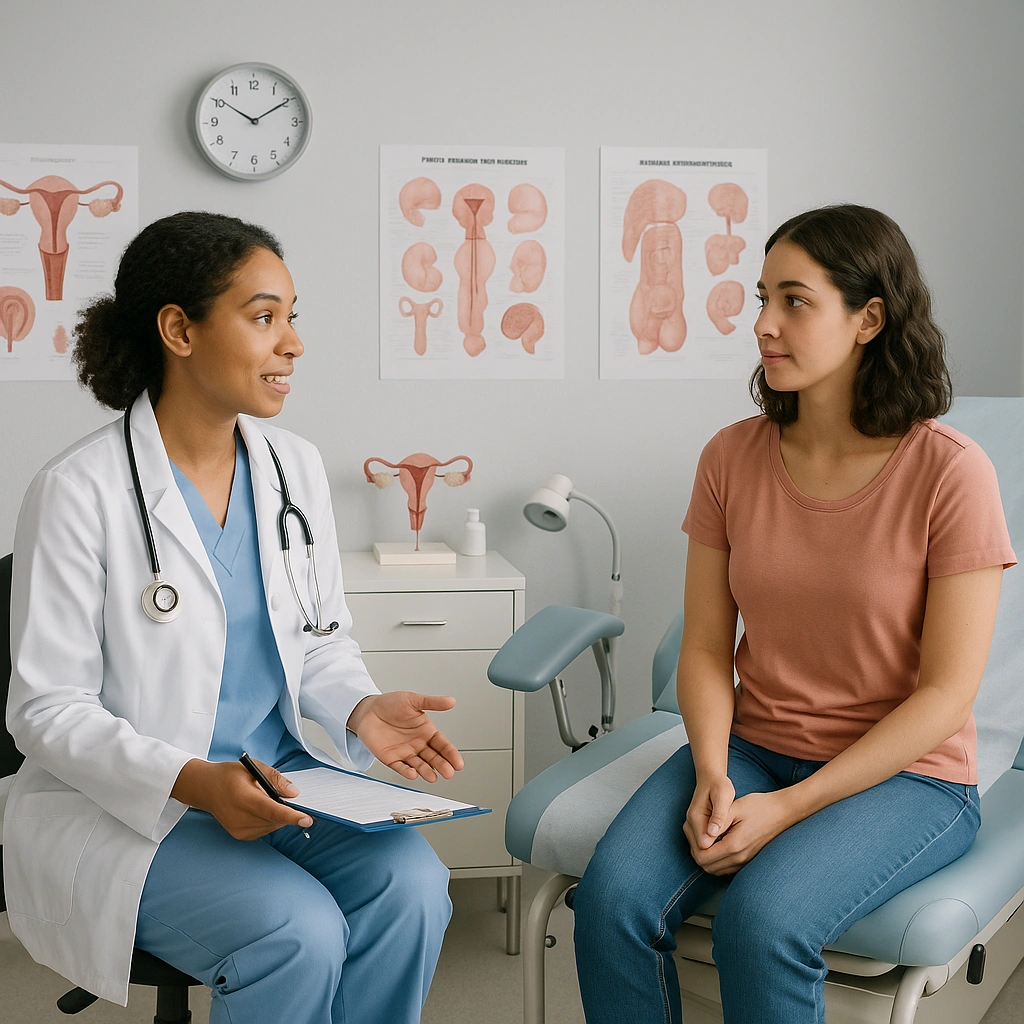
Everything About Women's Health
Women's health encompasses a broad range of medical concerns, from reproductive health to chronic conditions that disproportionately affect women. Understanding these various aspects is crucial for maintaining overall well-being. At the heart of women’s health is the recognition that each woman’s journey is unique, shaped by biology, lifestyle, and personal health history.
The Importance of Regular Health Screenings
Regular health screenings are essential in preventive care, helping to identify potential health issues before they become significant problems. For instance, a 45-year-old woman named Maria visited her healthcare provider for a routine check-up. During this visit, a mammogram was performed, resulting in the early detection of breast cancer. Thanks to timely intervention, her treatment options were more effective, underscoring the impact that routine screenings can have on health outcomes.
Reproductive Health
Reproductive health is a crucial element of women's health. It includes contraception, pregnancy, and sexually transmitted infection (STI) prevention. Take the case of Sarah, a 30-year-old woman who decided to start a family. After several months of trying to conceive without success, she consulted with her healthcare provider who recommended fertility assessments. The results indicated minor hormonal imbalances that, once corrected, led to a successful pregnancy. This example illustrates how awareness and proactive management of reproductive health can profoundly affect a woman’s life.
Menopause and Beyond
Menopause marks the end of a woman’s reproductive years and brings a series of physical and emotional changes. A common concern during this transition is hormone replacement therapy (HRT). Linda, a 52-year-old patient, experienced severe hot flashes and mood swings. After discussing her symptoms with her clinician at Clinica Santa Maria, she began a tailored HRT plan. Over time, she noticed a significant decrease in her symptoms, improving her quality of life. Such scenarios highlight the importance of addressing menopausal symptoms through informed medical guidance.
Chronic Health Conditions
Women are more likely than men to experience certain chronic health conditions, such as autoimmune diseases, osteoporosis, and heart disease. For example, Laura, a 40-year-old female, was diagnosed with thyroid disease after experiencing fatigue and unexplained weight changes. Through medication and lifestyle adjustments, she could manage her symptoms effectively. Understanding how chronic conditions differ by gender not only aids in diagnosis but also in the management of these conditions.
Mental Health Awareness
Mental health is an often-overlooked component of women’s health. Conditions such as anxiety and depression can significantly impact women, particularly during life transitions like pregnancy or menopause. Consider Emma, who struggled with postpartum depression after the birth of her second child. By seeking therapy and support, she began to feel empowered again, illustrating the importance of addressing mental health as a vital part of women’s overall health.
Nutrition and Lifestyle
Nutritional needs can vary significantly throughout a woman’s life, influenced by factors such as age, activity level, and hormonal changes. For example, a woman in her 20s may have different dietary requirements than one in her 60s. A study showed that women who maintain a balanced diet rich in vitamins, minerals, and healthy fats tend to experience fewer hormonal imbalances. Awareness of these nutritional needs can guide women in making informed choices that support their health.
Building a Supportive Environment
Creating a supportive and understanding environment is vital for promoting women's health. This can include open communication with healthcare providers, supportive relationships with family and friends, and access to community resources. Establishing a network can significantly influence how women manage their health challenges.
Healthcare providers, including those at Clinica Santa Maria, play a crucial role in educating women about their health and empowering them to make informed decisions. From discussing routine examinations to addressing more complex health concerns, having a trusted medical professional can enhance a woman’s health journey.


