How Much Does Pain Management Options Cost?
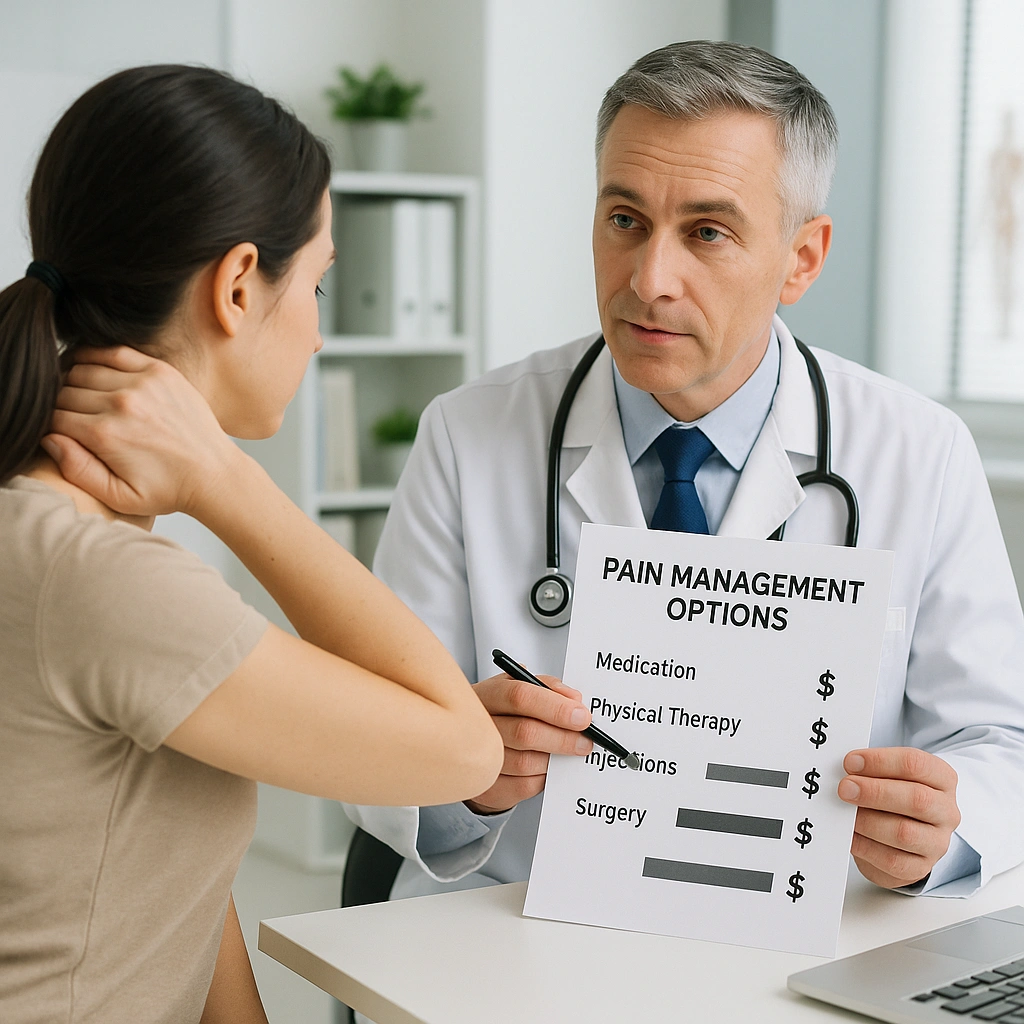
How Much Does Pain Management Options Cost?
The truth about managing pain is that it can be a complex journey for many women. Whether it’s discomfort from menstrual cramps, fibroids, endometriosis, or other conditions, understanding your pain management options is crucial. Unfortunately, misinformation often clouds this topic, leading to confusion and fear. Let's explore some common myths about women's health and pain management, ensuring you have accurate knowledge to support your health journey.
Common Myths about Pain Management
Myth: Pain is a normal part of being a woman.
Fact: While it’s true that many women experience pain due to reproductive health issues, it is not “normal” to live in pain. Conditions like endometriosis, ovarian cysts, and fibroids can cause significant discomfort, but they can often be managed or treated. If pain interferes with your daily life, it’s important to seek help from a healthcare provider to explore your options.
Medical Note: Keeping a pain diary can help you track the intensity and frequency of your symptoms, providing valuable information for your healthcare provider.
Myth: Taking pain medication is the only way to manage pain.
Fact: While over-the-counter and prescription medications can be effective, they are not the only options available. Physical therapy, acupuncture, and lifestyle changes such as diet and exercise can greatly contribute to pain relief. Many women find alternative therapies, such as mindfulness and relaxation techniques, beneficial as part of a holistic pain management plan.
Medical Note: Discuss all your pain management strategies with your healthcare provider to ensure they work in harmony and to avoid any potential interactions.
Myth: Surgery is the only solution for severe pain.
Fact: Surgery may be necessary for some conditions, but it is not the first line of treatment for every woman experiencing severe pain. Many factors influence treatment decisions, including the type and cause of the pain, your overall health, and personal preferences. Options such as hormonal therapies, non-invasive procedures, and other interventions should be thoroughly discussed with your provider.
Medical Note: If surgery is recommended, consider seeking a second opinion to ensure it is the right choice for you.
Myth: Pain management is only about reducing pain levels.
Fact: Effective pain management also focuses on improving function and quality of life. This means finding ways to engage in daily activities, manage stress, and improve emotional well-being alongside pain relief. A comprehensive approach may include counseling or support groups, which can be invaluable for women dealing with chronic pain conditions.
Medical Note: Mental health plays a significant role in pain perception. Be open with your provider about your emotional health and how it may be impacting your pain experience.
Myth: You should wait for your provider to bring up pain management options.
Fact: It’s essential to be proactive about your health. If you are experiencing persistent or debilitating pain, don't hesitate to bring it up during your appointment. Your healthcare provider should know your symptoms and concerns, and together you can develop an effective pain management plan tailored to your needs.
Medical Note: Be prepared before your appointment—write down your symptoms, any treatments you've tried, and questions you have for your provider.
Myth: All pain management options are expensive and inaccessible.
Fact: While some pain management treatments can be costly, there are many affordable options available. Community health clinics, including those focused on women's health, often provide a range of services at reduced rates. Additionally, some insurance plans cover various pain management therapies, so it's worth checking with your provider about what’s available to you.
Medical Note: Discuss your insurance coverage with your provider's office to better understand what treatments might be available to you without significant out-of-pocket costs.
When to Contact Your Provider
It’s important to reach out to your healthcare provider if you experience any of the following symptoms:
- Persistent or severe pain that interferes with daily life
- New or unusual pain that arises suddenly
- Pain accompanied by fever, chills, or unexplained weight loss
- Changes in menstrual patterns or abnormal bleeding
- Signs of infection, such as redness, swelling, or discharge
By recognizing these signs, you can ensure you receive timely and appropriate care.
Understanding pain management options is vital for every woman. By debunking these myths, we empower ourselves to seek effective treatments and advocate for our health. Remember, you are not alone in your journey, and support is available to help you achieve the best quality of life.


