How Often Should You Get Women's Health?
How Often Should You Get Women's Health?
Women’s health is a vital aspect of overall well-being that encompasses various physical and mental health conditions. Routine health screenings, check-ups, and preventive care are essential to detect potential health issues before they become more serious. However, many women often wonder: how often should they seek women's health services? The answer to this question can vary significantly depending on various factors, including age, medical history, and specific health concerns.
Understanding Routine Check-Ups
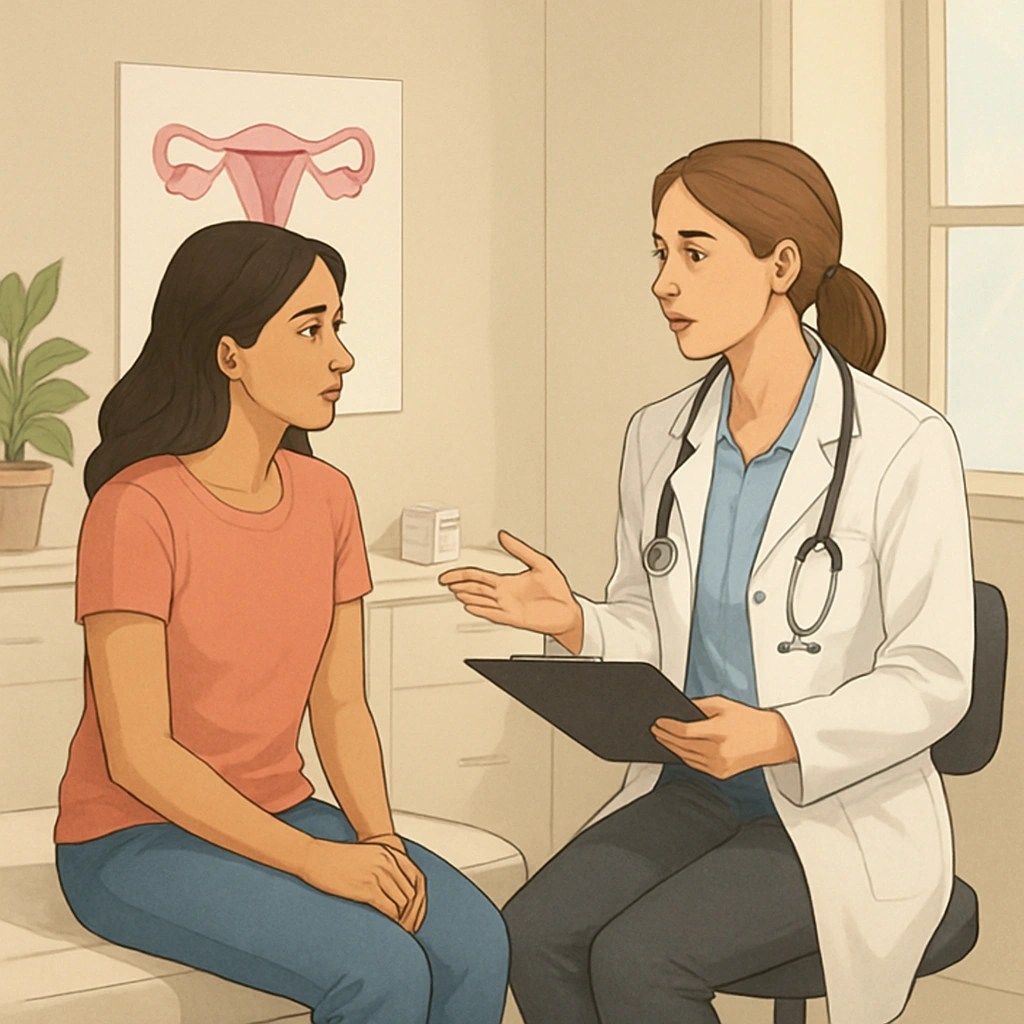
Routine check-ups play a crucial role in maintaining women's health. A comprehensive check-up typically includes a physical examination, a review of medical history, and necessary screenings based on age and risk factors. For instance, a woman in her 20s may need different assessments compared to someone in their 50s. Generally, it is recommended that women start receiving annual well-woman exams around the age of 21. These appointments help in evaluating reproductive health, mental wellness, and lifestyle factors.
Recommended Screenings by Age Group
In Your 20s
During the 20s, women should be proactive about their reproductive health. Annual visits can help establish a relationship with a healthcare provider and enable open discussions about sexual health, contraception, and menstrual irregularities. For example, if a patient named Sarah experiences debilitating cramps that interfere with her daily life, her doctor may explore potential underlying conditions like endometriosis or fibroids during these visits.
In Your 30s
As women enter their 30s, screening for cervical cancer becomes crucial after the age of 21. The recommended Pap test schedule is every three years until age 29. From age 30, women may opt for a Pap test combined with HPV testing every five years, depending on their health history. For example, if a patient like Jessica, age 34, discovers she has high-risk HPV, she might need more frequent screenings to monitor any changes. Additionally, discussions about pregnancy planning, fertility, and breastfeeding may become more prominent during this time.
In Your 40s
In the 40s, women should continue their routine screenings and may also begin annual mammograms around the age of 40, especially if there is a family history of breast cancer. Regular check-ups can help in identifying any new symptoms, such as lumps or changes in breast tissue. For instance, if a patient named Amanda notices a change in her breast symmetry, her healthcare provider would consider further evaluation during her annual exam.
In Your 50s and Beyond
By the time women reach their 50s, they may experience menopause, which brings its own set of health considerations. Routine check-ups should continue annually, with screenings for osteoporosis beginning around age 65. For example, if a patient such as Linda, age 55, is experiencing significant hot flashes and mood swings, discussing hormone replacement therapy could be beneficial during her visit. Moreover, cardiovascular health becomes increasingly important, so discussions surrounding blood pressure, cholesterol levels, and lifestyle changes are crucial.
Assessing Personal Risk Factors
In addition to age, personal health history plays a significant role in determining how often women should seek healthcare services. Women with a family history of certain diseases, such as breast or ovarian cancer, may need to start screenings earlier or have them more frequently. Conversely, women without significant risk factors might maintain a typical annual schedule. It's essential to have an open dialogue with your healthcare provider about your medical history and any concerns you may have.
Special Considerations
Women should also consider lifestyle factors and any specific symptoms when planning their health visits. Regular visits to a healthcare provider can help address issues such as irregular periods, unexplained weight changes, or chronic fatigue. Each patient's needs are unique, and women should feel empowered to advocate for their health by asking questions and discussing any changes they notice in their bodies.
In summary, while the general guideline suggests annual visits for women's health services, the frequency may vary based on individual circumstances. Staying informed about personal health needs and maintaining a preventive care routine is essential for living a healthy life. Engaging with a trusted healthcare provider can make a significant difference in managing your health and well-being.


