How to Navigate Women's Health
How to Navigate Women's Health
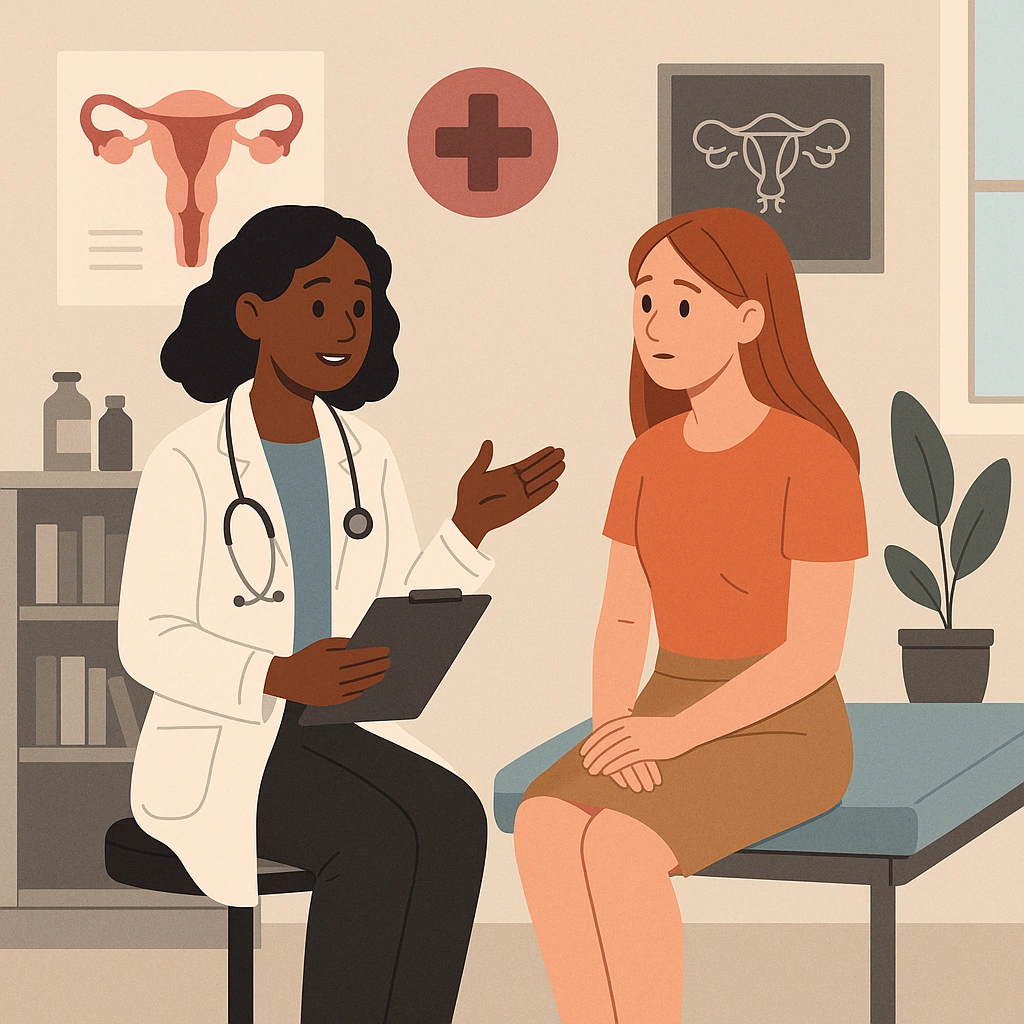
Women’s health encompasses a wide range of issues, from reproductive health to mental wellness. It’s essential to approach these topics with not only knowledge but also compassion and understanding. Navigating the often complex landscape of women’s health can be overwhelming, especially when faced with various choices and conflicting information. This guide aims to simplify the journey and provide you with the tools necessary to advocate for your health.
Understanding Reproductive Health
One of the cornerstone aspects of women's health is reproductive health. This involves everything from menstrual health to fertility and menopause. Take, for example, a woman in her late twenties who has begun experiencing irregular periods. This can be a sign of various underlying conditions, such as polycystic ovary syndrome (PCOS) or stress-related hormonal imbalances. Understanding these possibilities is crucial; visiting a healthcare provider can lead to necessary tests and a tailored plan that addresses her symptoms and concerns.
The Importance of Regular Screenings
Regular screenings are fundamental for early detection of potential health issues. For instance, annual Pap smears are vital for monitoring cervical health. A woman in her early thirties may feel perfectly healthy yet benefit significantly from this simple test, allowing for early identification of abnormal cells that could lead to cervical cancer if left unchecked. Similarly, mammograms are essential for women over 40, but younger women should also be aware of their breast health and consider discussing self-exams and potential early screenings with their healthcare provider.
Mental Health Matters
Women often juggle multiple roles, from career demands to family responsibilities, which can lead to mental health challenges. Conditions like anxiety and depression are common and can be exacerbated by hormonal fluctuations throughout the menstrual cycle. For instance, premenstrual dysphoric disorder (PMDD) affects a small percentage of women and can have debilitating effects. Addressing these concerns promptly with a healthcare professional can enhance both mental and physical well-being.
Building a Support System
Mental health support can also come from social networks. A woman may find comfort in sharing her experiences with friends or family, which can alleviate feelings of isolation. Community resources, such as support groups, can provide additional avenues for discussion and coping strategies. Clinica Santa Maria, for example, offers resources that help women connect with others facing similar challenges. Such initiatives foster resilience and promote a positive mental outlook.
Navigating Menopause
Menopause is a natural phase in a woman’s life that can bring various symptoms, including hot flashes, mood swings, and weight gain. A woman in her late forties might start noticing changes and feeling unsure about what to expect. Understanding that menopause is a gradual transition can help alleviate anxiety. Discussions with healthcare providers can lead to personalized strategies to manage symptoms effectively, whether through lifestyle changes, hormonal therapies, or alternative remedies.
Holistic Approaches to Wellness
Good health is not limited to physical symptoms. A holistic approach that considers emotional and social well-being can yield significant benefits. Practicing mindfulness, engaging in regular exercise, and maintaining a balanced diet all contribute to overall health. For instance, a woman facing stress from work might find that yoga and meditation not only aid physical flexibility but also provide mental clarity and emotional stability.
Taking Charge of Your Health
Being proactive about health means staying informed and asking questions. If something feels off, it's important to seek guidance. A young woman experiencing unexpected weight changes might benefit from discussing her diet and exercise with a healthcare provider to rule out any underlying health concerns. Building a habit of open dialogue with medical professionals fosters a better understanding of one’s body and health needs.
Access to Reliable Information
In an age of information overload, distinguishing fact from fiction is crucial. Relying on recognized sources and healthcare professionals for guidance ensures that you receive accurate information tailored to your situation. Online resources should complement, not replace, direct engagement with medical experts.
Women’s health is a multifaceted area that requires navigation with care and knowledge. Whether you’re addressing reproductive concerns, mental health, or managing menopause, understanding the pathways available to you is essential. Prioritizing your health starts with the right information and support, empowering you to take charge of your well-being.


