Preparing for Women's Health
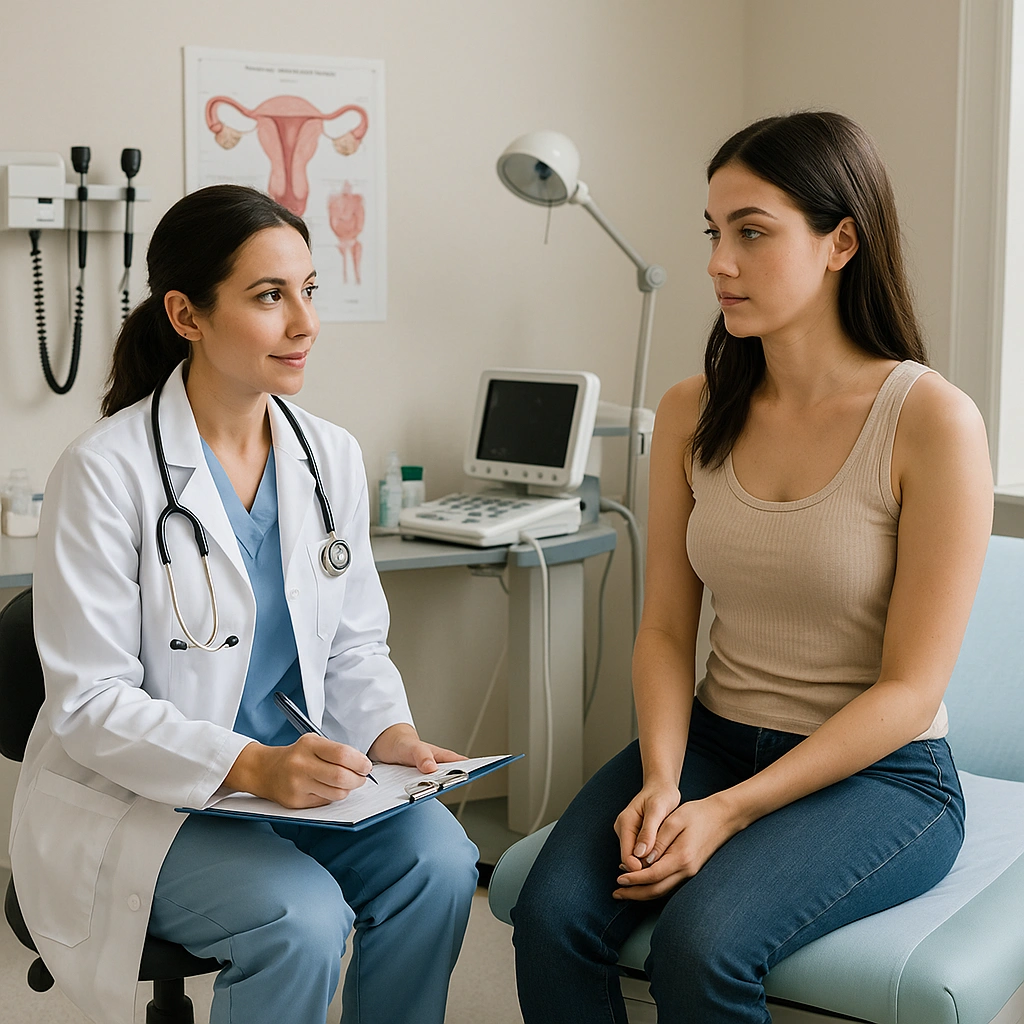
Preparing for Women's Health
Women's health is a multifaceted area of healthcare that goes beyond reproductive health to encompass a range of physical, mental, and emotional well-being. Understanding how to prepare for various health concerns can empower women to take charge of their health, ensuring they receive the necessary care and support. At Clinica Santa Maria, we focus on providing a holistic approach to women's health, guiding patients through preventive measures, screenings, and treatment options.
The Importance of Preventive Care
Preventive care is vital in identifying potential health issues before they become serious. Regular check-ups, screenings, and vaccinations can lead to early diagnosis and more effective treatment. Many women may wonder what preventive services they should prioritize. For example, annual pelvic exams and Pap smears are essential for cervical cancer screening, typically recommended starting at age 21. A 28-year-old patient named Maria, who had been hesitant about scheduling her regular appointments, learned through education about the importance of these screenings after her friend was diagnosed with cervical cancer at a young age. Maria booked her exam, and thankfully, everything came back normal.
Managing Reproductive Health
Reproductive health is a critical component of women's health services. Conditions like polycystic ovary syndrome (PCOS) and endometriosis affect many women and can significantly impact their quality of life. For instance, Jessica, a 30-year-old with severe menstrual pain, discovered through consultation that she had endometriosis. By discussing treatment options with her provider, she was able to manage her symptoms and improve her overall health. This scenario highlights the importance of being proactive and discussing any menstrual irregularities or pain with a healthcare provider.
Family Planning and Contraceptive Options
Family planning is another key aspect of women's health. Women should feel empowered to discuss their reproductive goals with their healthcare provider. Whether it’s discussing options for birth control or planning for pregnancy, open communication is crucial. Sarah, a 26-year-old who had recently married, wanted to understand her options for both contraception and pregnancy. By working with a healthcare provider, she learned about various contraceptive methods and found one that suited her lifestyle, allowing her to plan her future family with confidence.
Addressing Mental Health
Mental health is equally vital in the realm of women's health. Women are often faced with unique stressors, including hormonal changes due to menstruation, pregnancy, and menopause. A case in point is Amy, a new mother struggling with postpartum depression. Recognizing the symptoms early allowed her to seek help and access therapy, which was pivotal in her recovery. The stigma around mental health can often prevent women from seeking necessary support. It's essential to encourage open discussions about mental health and seek guidance when needed.
Menopause and Beyond
Menopause is a significant life event for many women, often accompanied by various symptoms such as hot flashes, mood swings, and sleep disturbances. Preparing for menopause involves understanding what changes to expect. For example, Lisa, a 52-year-old, was surprised by the intensity of her symptoms. After consulting with her healthcare provider, she discovered various lifestyle changes and treatment options that could alleviate her discomfort, helping her navigate this transitional phase with greater ease. Knowledge and access to care can make a profound difference in managing menopausal symptoms.
The Role of Nutrition and Exercise
A balanced diet and regular exercise are foundational components of women's health. Nutrition plays a significant role in disease prevention, while exercise can enhance mental well-being and physical health. For many women, incorporating physical activity into their routine can initially seem daunting. Consider Ellen, a busy professional in her late 30s. She started small, taking walks during her lunch breaks, which gradually led to a more active lifestyle. Engaging in regular physical activity not only improved her physical health but also had a positive impact on her mental well-being.
The Power of Communication
Ultimately, empowering women to communicate openly with their healthcare providers about their health concerns is vital. Whether it’s asking questions during appointments or seeking a second opinion, women should feel supported in their journey toward better health. Establishing a rapport with healthcare professionals can lead to more personalized care and greater satisfaction with health outcomes.
In summary, preparing for women's health involves being informed and proactive about various health issues, from preventive care to mental wellness. By recognizing the importance of regular check-ups, understanding reproductive health, and addressing mental health, women can take significant strides toward maintaining their overall well-being.


