Signs You Need Women's Health
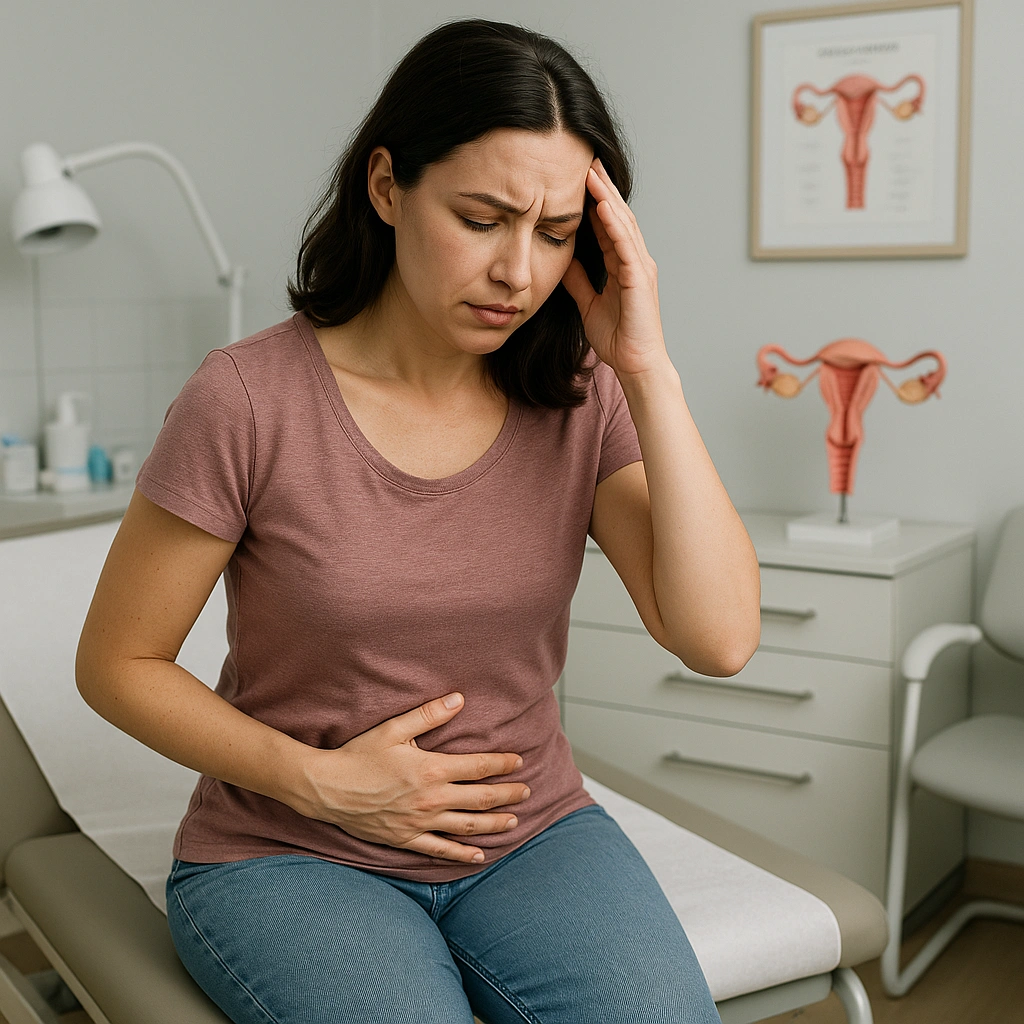
Signs You Need Women's Health
Women's health encompasses a range of physical, mental, and emotional well-being aspects unique to women. Understanding when it's time to seek care is crucial for maintaining health and preventing more significant issues. Recognizing the signs that indicate a need for women's health services can empower you to take charge of your well-being.
Understanding Common Signs
Many women experience symptoms that may indicate a need for specialized healthcare. These can vary from physical discomfort to emotional changes. Here are some common scenarios that may signal it’s time to consult a healthcare provider.
1. Unusual Changes in Menstrual Cycle
A healthy menstrual cycle typically follows a regular pattern. If you notice significant changes—such as unexpected heavy bleeding, periods that last longer than a week, or cycles shorter than 21 days or longer than 35 days—these could be signs of underlying health conditions such as polycystic ovary syndrome (PCOS) or fibroids. For instance, a patient may come in reporting periods so heavy that she soaks through her clothes or needs to change pads every few hours. Such experiences warrant a thorough evaluation.
2. Persistent Pain or Discomfort
Chronic pelvic pain, discomfort during intercourse, or persistent abdominal pain can indicate various conditions, from endometriosis to fibroids or even pelvic inflammatory disease. It’s essential to listen to your body; for example, if a patient frequently complains of pain during ovulation, this could be a sign of an underlying issue that needs attention. Seeking help early can lead to effective management and treatment.
3. Breast Changes
Changes in breast tissue, such as lumps, swelling, or changes in shape or size, should not be ignored. Regular breast self-examinations are important; however, if you find a lump that persists or notice other abnormalities, it’s crucial to consult a healthcare provider. Breast pain, especially if localized and persistent, can also signal a need for further investigation, such as imaging studies or a clinical exam.
4. Emotional and Mental Health Concerns
Women often juggle multiple roles in their lives, which can lead to stress, anxiety, or depression. Signs such as extreme mood swings, excessive fatigue, or feelings of hopelessness are not just normal parts of life; they can indicate a need for support. For example, a patient experiencing postpartum depression may find it hard to bond with her baby or feel overwhelmed by everyday tasks. Addressing these issues with a mental health professional is crucial for overall well-being.
5. Changes in Sexual Health
Experiencing pain during sex, a decrease in libido, or other sexual health concerns may indicate hormonal changes or other health issues. For instance, a woman approaching menopause may experience vaginal dryness, making intercourse painful. Such symptoms can often be managed with appropriate interventions, so discussing them openly with a healthcare provider is essential.
Additional Signs and Considerations
In addition to the scenarios outlined above, it’s also important to consider factors such as weight changes, fatigue that isn't relieved by rest, and urinary issues, which can all signal a need for women’s health services. Regular check-ups can help catch issues early, ensuring timely intervention and support.
Why Seeking Care Matters
Many women postpone seeking help due to embarrassment or the belief that their symptoms are part of normal life. However, understanding that you deserve to feel healthy and whole is vital. Regular visits to women’s health clinics can help you stay informed about your health and receive preventive care. Early detection and treatment can lead to significantly better outcomes for any underlying conditions.
At Clinica Santa Maria, we are committed to providing compassionate and comprehensive women’s health services tailored to meet individual needs. Our team can support you through various health concerns, ensuring you receive the care necessary for a healthy life.


