The Complete Women's Health Guide
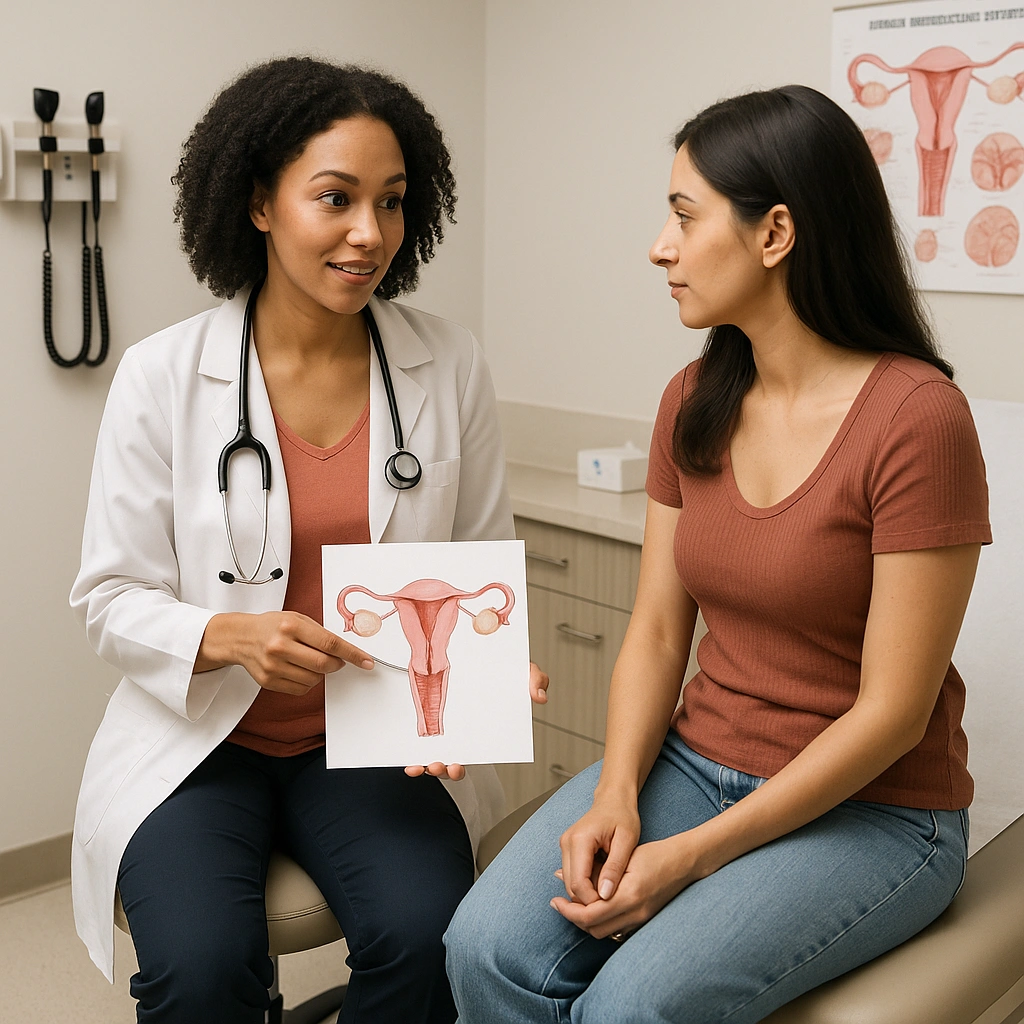
The Complete Women's Health Guide
Women’s health is a multifaceted aspect of healthcare that encompasses a wide range of services and issues tailored specifically for women. From reproductive health to preventive screenings, understanding these services is vital for maintaining overall health. This guide provides an overview of essential services that cater to women's unique health needs, offering clarity and support for every stage of life.
Understanding Reproductive Health
Reproductive health is a cornerstone of women's health services. It's not only about managing pregnancy and childbirth but also understanding menstrual health, contraception, and sexually transmitted infections (STIs). Consider the case of Maria, a 28-year-old woman who visits the clinic concerned about her irregular menstrual cycles. Through a comprehensive evaluation, she learns about the hormonal fluctuations that could be affecting her cycles and receives guidance on lifestyle changes that can help regulate them.
Menstrual Disorders
Conditions like polycystic ovary syndrome (PCOS) and endometriosis often lead to menstrual irregularities. These conditions can affect fertility and overall well-being. It’s crucial for women experiencing symptoms such as severe cramps, excessive bleeding, or unexpected changes in their menstrual cycles to consult a healthcare provider for diagnosis and management options.
Prenatal and Postnatal Care
Prenatal care is essential for ensuring a healthy pregnancy. Regular check-ups allow healthcare providers to monitor both maternal and fetal health. Take the example of Laura, a first-time mother who benefited from regular visits to discuss nutritional needs and prenatal vitamins. These appointments helped her understand what to expect, alleviating her anxiety and ensuring she felt supported throughout her journey.
Postnatal care is equally critical, as it focuses on the mother’s recovery and the newborn's health. This phase includes addressing issues like postpartum depression, breastfeeding challenges, and physical recovery. Some women might find it hard to navigate the emotional and physical changes that come after childbirth, making support from healthcare providers invaluable during this period.
Screenings and Preventive Care
Routine screenings are essential for early detection and prevention of diseases that disproportionately affect women. This includes mammograms for breast cancer screening, Pap smears for cervical cancer, and bone density tests for osteoporosis. For instance, Tanya, a 45-year-old woman, felt apprehensive about her first mammogram, but after a supportive discussion with her healthcare provider, she learned that early detection significantly increases treatment success rates.
Cardiovascular Health
Cardiovascular diseases are often underestimated in women, yet they remain a leading cause of death. Awareness of risk factors, such as high blood pressure and diabetes, is crucial. Regular check-ups and lifestyle modifications can reduce risks significantly. Statistics show that women can experience different symptoms of heart attacks compared to men, underlining the importance of tailored health education.
Mental Health and Well-Being
Mental health is an integral part of overall wellness. Many women face unique stressors related to work-life balance, family responsibilities, and societal expectations. Counseling services, stress management programs, and support groups can provide substantial help. For example, Sarah, who was struggling with anxiety post-divorce, found solace and strategies to cope through group therapy facilitated by her healthcare provider.
Menopause Management
Menopause is a significant transition that can lead to various physical and emotional symptoms. Knowledgeable providers can offer treatment options such as hormone therapy, lifestyle adjustments, and alternative therapies. Women like Jessica, who experienced severe hot flashes and mood swings, benefited from individualized care that addressed her symptoms and improved her quality of life.
Conclusion
Women’s health services are invaluable resources that support physical, mental, and emotional well-being. By understanding the range of available services, women can take proactive steps in managing their health. Each woman's journey is unique, and personalized care can lead to improved health outcomes. Remember, being informed and proactive is the key to navigating the complexities of women's health.


