What to Expect During Women's Health
What to Expect During Women's Health
Women's health encompasses a broad spectrum of care that is tailored to the unique needs of women throughout their lives. From adolescence through menopause and beyond, regular check-ups and screenings play a vital role in maintaining health and detecting issues early. If you're considering a visit to a women's health clinic, understanding what to expect can help ease anxiety and empower you to make informed decisions about your well-being.
Your First Appointment: What to Expect
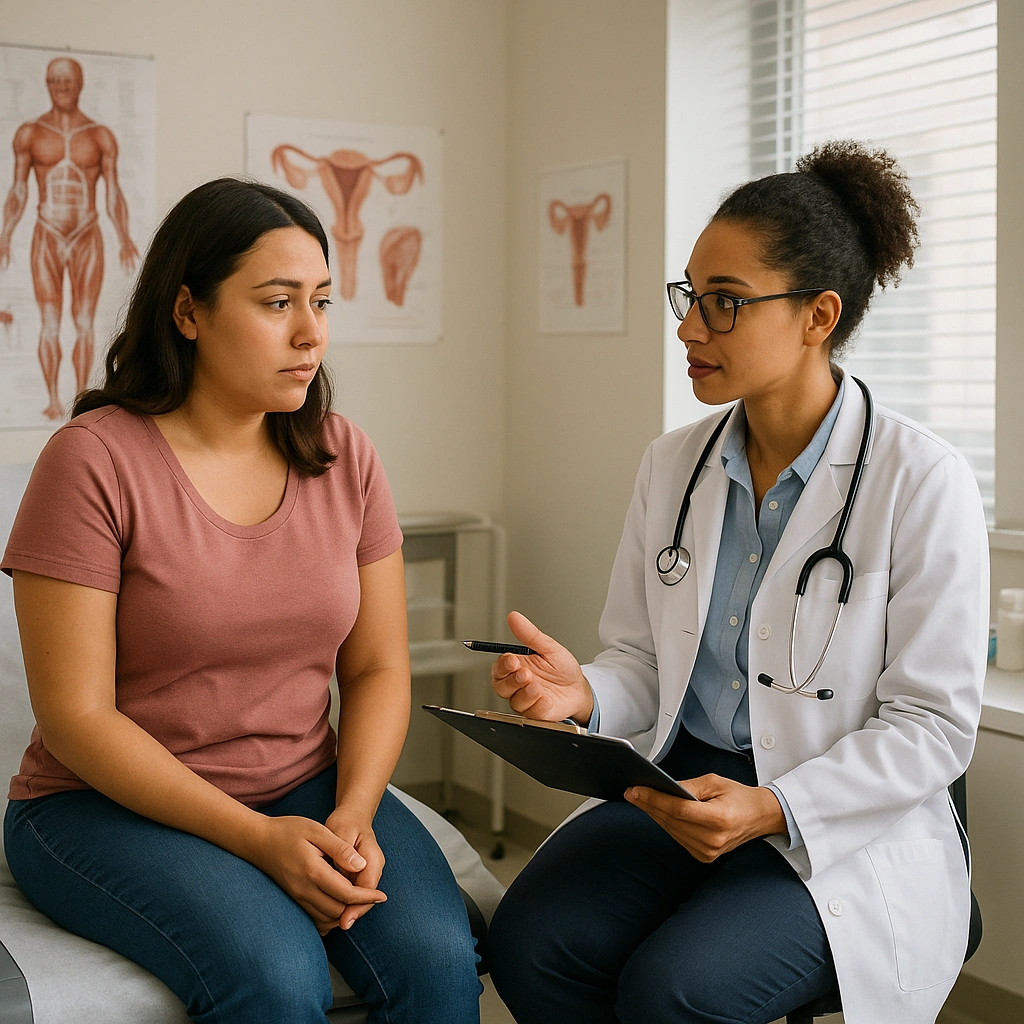
When attending your first appointment at a women's health clinic, such as Clinica Santa Maria, you will likely be greeted by a friendly staff that is trained to handle various aspects of women's health. The initial visit typically begins with a comprehensive review of your medical history. This includes questions about your menstrual cycle, sexual health, pregnancy history, and any existing health conditions.
For example, if you're a young woman visiting for the first time, the clinician may ask about your recent menstrual cycles. If you've been experiencing symptoms such as irregular periods or severe pain, sharing these details is crucial. Your clinician may perform a physical examination and discuss the importance of routine screenings, like a Pap smear if you're over 21, to monitor for cervical health.
Routine Screenings and Their Importance
Regular screenings are essential components of women's health care. These exams help to detect potential issues before they become serious. For instance, during a routine visit, a clinician may conduct a breast examination to check for lumps or abnormal changes. If you have a family history of breast cancer, discussing a personalized screening schedule is vital for early detection.
Consider the case of Maria, a 35-year-old patient who regularly attended her check-ups. During one visit, her clinician noticed a change in her breast tissue and recommended a mammogram. Early detection of a small tumor led to successful treatment and a favorable outcome. Maria’s story underscores the value of routine screenings, which can significantly impact health outcomes.
Addressing Menstrual Health Concerns
Menstrual health is a common topic discussed during women's health appointments. It's perfectly normal to have questions about your cycle, whether it be heavy bleeding, severe cramps, or unusual changes. These symptoms can sometimes indicate underlying conditions such as endometriosis or fibroids.
Take, for example, Jessica, a 28-year-old who had always experienced painful periods. After discussing her symptoms with her clinician and undergoing some tests, she was diagnosed with endometriosis. With appropriate treatment and management strategies, Jessica found relief from her pain and improved her quality of life. Open dialogue about menstrual health can lead to effective solutions tailored to your needs.
Sexual and Reproductive Health
Sexual health is another crucial aspect of women's health. This includes discussions about contraception, sexually transmitted infections (STIs), and preconception counseling. If you’re considering starting a family, your clinician can provide guidance on fertility awareness and reproductive options.
For example, Lena, a 30-year-old woman, visited her healthcare provider for birth control options. After discussing her lifestyle and preferences, the clinician provided information on various methods, including hormonal and non-hormonal options. This personalized approach not only helped Lena make an informed decision but also empowered her to take control of her reproductive health.
Menopause and Beyond
As women transition into menopause, new health considerations arise. Symptoms such as hot flashes, mood swings, and sleep disturbances can significantly impact daily life. Routine visits during this period can facilitate discussions about managing these symptoms effectively.
Linda, a 52-year-old patient, found relief through hormone replacement therapy after discussing her symptoms at her annual visit. Her clinician worked with her to create a plan that addressed her specific needs, highlighting the importance of personalized care. Understanding menopause and receiving appropriate support can enhance women's health and wellness during this transitional phase.
Conclusion
Women's health services are designed to provide comprehensive care at every stage of life. By fostering open communication with your healthcare provider and actively participating in your health journey, you can make informed decisions that enhance your well-being. Remember that you are not alone, and your health concerns are valid and worthy of attention.


