Women's Health: What Women Need to Know
Women's Health: What Women Need to Know
Understanding the Importance of Women’s Health
Women's health encompasses a wide range of issues that are unique to females, influenced by biological, social, and behavioral factors. Unlike general health advice, women's health requires attention to specific concerns, such as reproductive health, hormonal changes, and conditions that disproportionately affect women. When examining women's health, it is important to consider how life stages, from menstruation to menopause, impact overall wellbeing.
Common Health Concerns and Conditions
Many women encounter health issues that could be overlooked or misdiagnosed if they do not advocate for themselves. For example, consider a 30-year-old woman who begins to experience unusually heavy periods. Initially, she might dismiss this as a normal part of her menstrual cycle. However, such symptoms can indicate conditions like fibroids or endometriosis, which require prompt medical evaluation. Understanding these markers is crucial in maintaining health.
Reproductive Health
The realm of reproductive health is vast, addressing everything from menstrual disorders to pregnancy-related healthcare. Conditions such as Polycystic Ovary Syndrome (PCOS) affect many women, potentially leading to infertility and other metabolic issues. Women experiencing symptoms like irregular menstrual cycles or unexplained weight gain should consult a healthcare provider to understand potential underlying conditions.
Preventative Care: Staying Ahead of Health Issues
Preventative care is essential in identifying potential health issues before they escalate. Regular screenings such as Pap smears and mammograms play key roles in catching cancers in their early stages. A 45-year-old woman who regularly attends her check-ups is more likely to detect abnormalities in breast or cervical tissue than one who neglects these important appointments. Guidelines suggest starting screenings at certain age thresholds, but individual risk factors may necessitate earlier action.
Mental Health Considerations
Mental health is an integral part of overall health, yet it is often overlooked. Women are statistically more likely to experience anxiety and depression compared to men. A case study illustrates this—a 28-year-old woman balances work and family life with increasing stress. If she does not seek help, her mental health could deteriorate, impacting her relationships and physical wellbeing. It’s vital that women recognize when to seek support, whether it’s counseling or medication.
Nutrition and Lifestyle: The Cornerstones of Health
Nutrition plays a significant role in women's health. Women have unique dietary needs that can change with life stages. For instance, during pregnancy, specific nutrients are crucial for both maternal and fetal health, such as folic acid and iron. A 32-year-old pregnant woman may require tailored dietary advice to ensure she meets these nutritional needs, which can prevent complications during pregnancy. Regular exercise is also essential; maintaining a healthy weight through physical activity can prevent many chronic diseases.
Hormonal Changes and Their Effects
Hormonal changes, particularly those related to menstruation, pregnancy, and menopause, can have profound effects on women’s health. For example, a woman in her late 40s may start experiencing perimenopause, resulting in symptoms such as hot flashes and mood swings. Understanding these changes and their implications on health can empower women to seek appropriate management strategies, ensuring a smoother transition into menopause.
Building Strong Patient-Provider Relationships
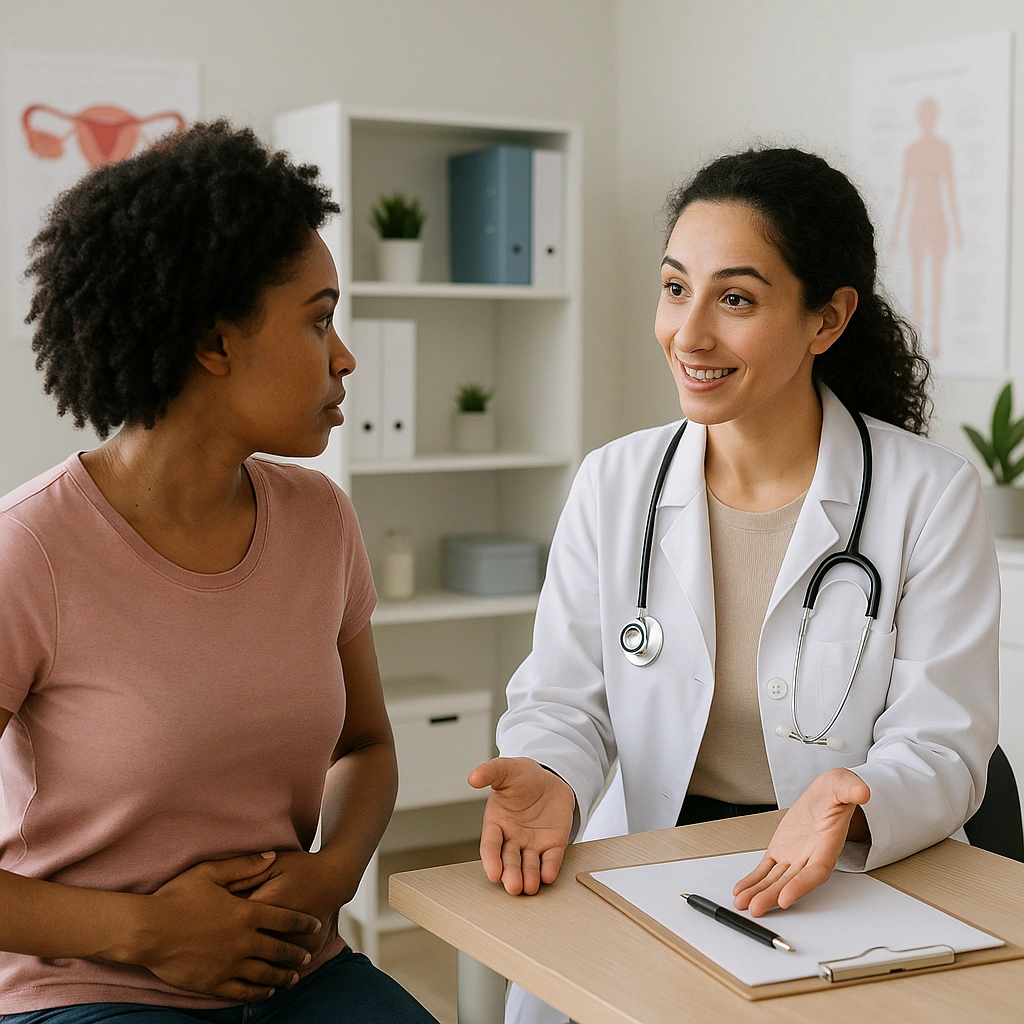
Part of maintaining women's health involves establishing strong relationships with healthcare providers. Open communication about symptoms, concerns, and health history fosters a better understanding and customized care. A patient who feels comfortable sharing her experiences—whether related to sexual health or family history—enables her provider to offer tailored advice and interventions. This collaborative approach not only aids in accurate diagnosis but also builds trust essential for ongoing healthcare needs.
Conclusion
Women's health is multifaceted, requiring awareness and proactive measures to navigate effectively. From reproductive health issues to mental wellbeing, understanding the unique aspects of health can lead to better outcomes and a higher quality of life. By advocating for oneself and utilizing available resources, women can take charge of their health and wellbeing throughout their lives.


