Your Women's Health Questions Answered
Your Women's Health Questions Answered
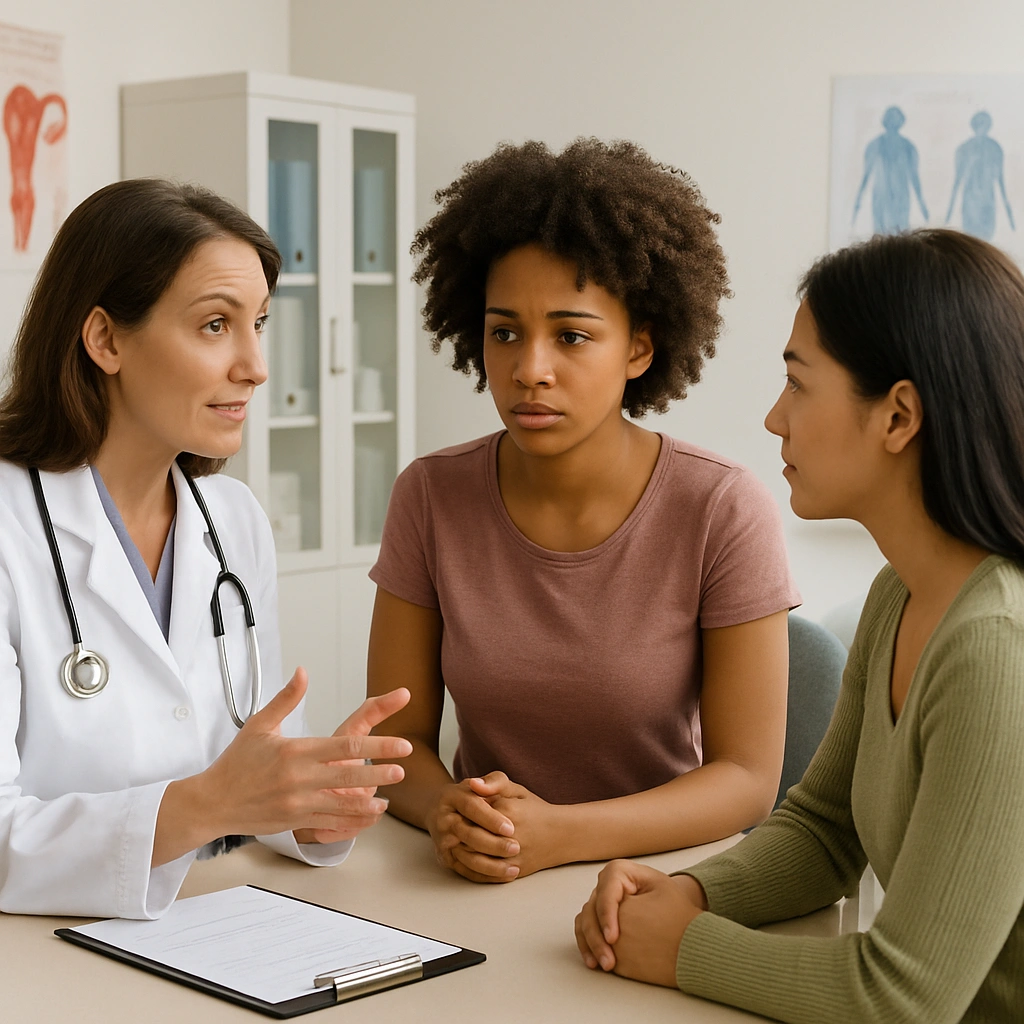
Women's health encompasses a wide range of issues that impact physical, mental, and emotional well-being. At the heart of any community's health care needs are the questions women have about their bodies, health, and wellness. Whether you’re a young woman navigating reproductive health for the first time, a mother managing the complexities of pregnancy and postpartum care, or someone facing menopause, having accurate, compassionate answers to your questions is crucial.
Understanding Reproductive Health
Reproductive health is often a primary concern for women. This can include questions about menstrual irregularities, contraception, and sexually transmitted infections (STIs). For instance, consider a 28-year-old woman named Sarah who experiences significant changes in her menstrual cycle. After months of irregular periods, she seeks advice and learns that her symptoms could be linked to conditions like polycystic ovarian syndrome (PCOS), a common hormonal disorder. With proper evaluation and treatment options tailored to her needs, Sarah can manage her symptoms effectively.
Common Concerns: Menstruation and Hormones
Many women worry that changes in their period indicate a serious underlying issue. Conditions such as endometriosis can lead to painful periods and fertility challenges. For example, a patient named Emily, who suffered from debilitating menstrual cramps, found relief through diagnosis and treatment options that included hormonal therapy. Understanding the underlying causes of such symptoms allows women to make informed decisions regarding their health.
Pregnancy and Maternal Health
For many women, pregnancy is a joyous but overwhelming experience filled with questions. Prenatal care is essential to monitor both maternal and fetal health. A case that illustrates this is that of Lisa, a first-time mother, who learned the importance of regular check-ups. Her healthcare provider discussed nutrition, exercise, and what to expect during each trimester. Attention to these details can significantly enhance both the pregnancy experience and outcomes for both mother and baby.
Postpartum Health: An Often Overlooked Aspect
After delivery, women may face physical and emotional challenges. Postpartum depression is a condition that affects many mothers and can go unrecognized. For instance, Julia, who recently had a baby, felt an overwhelming sadness that interfered with her ability to bond with her newborn. With the help of mental health resources and support from her healthcare team, she learned how to navigate this challenging time. Acknowledging the emotional aspects of postpartum health is critical for recovery and adjustment.
Menopause: Navigating a New Chapter
As women age, they inevitably face menopause, a natural stage characterized by hormonal changes that can lead to various symptoms, including hot flashes, mood swings, and sleep disturbances. For example, Angela, in her late 50s, experienced sudden changes that disrupted her daily life. With guidance from her doctor, she explored lifestyle modifications and treatment options, including hormone replacement therapy, to alleviate her symptoms and improve her quality of life.
Managing Symptoms Effectively
Menopause can feel overwhelming, but understanding the symptoms and available options makes it easier to manage. Regular health check-ups and open conversations with a medical provider can empower women to take charge of their health during this transition.
A Holistic Approach to Women's Health
Women's health is multifaceted and requires a holistic approach that considers physical, mental, and emotional well-being. Regular screenings, such as mammograms and Pap smears, are essential for early detection of issues like breast and cervical cancer. For instance, Maria, a 40-year-old woman, was able to catch early-stage cancer through a routine exam, highlighting the importance of preventive care.
Empowering Yourself with Knowledge
Women should feel empowered to ask questions and seek knowledge about their bodies. Engaging with healthcare professionals who prioritize compassionate communication makes it easier to navigate the complexities of women's health. It's important to remember that no question is too small or insignificant when it comes to personal health.
Ultimately, every woman’s journey through health and wellness is unique. Being informed and proactive about your health can lead to improved outcomes and a better quality of life.


