Common Women's Health Myths Debunked
Common Women's Health Myths Debunked
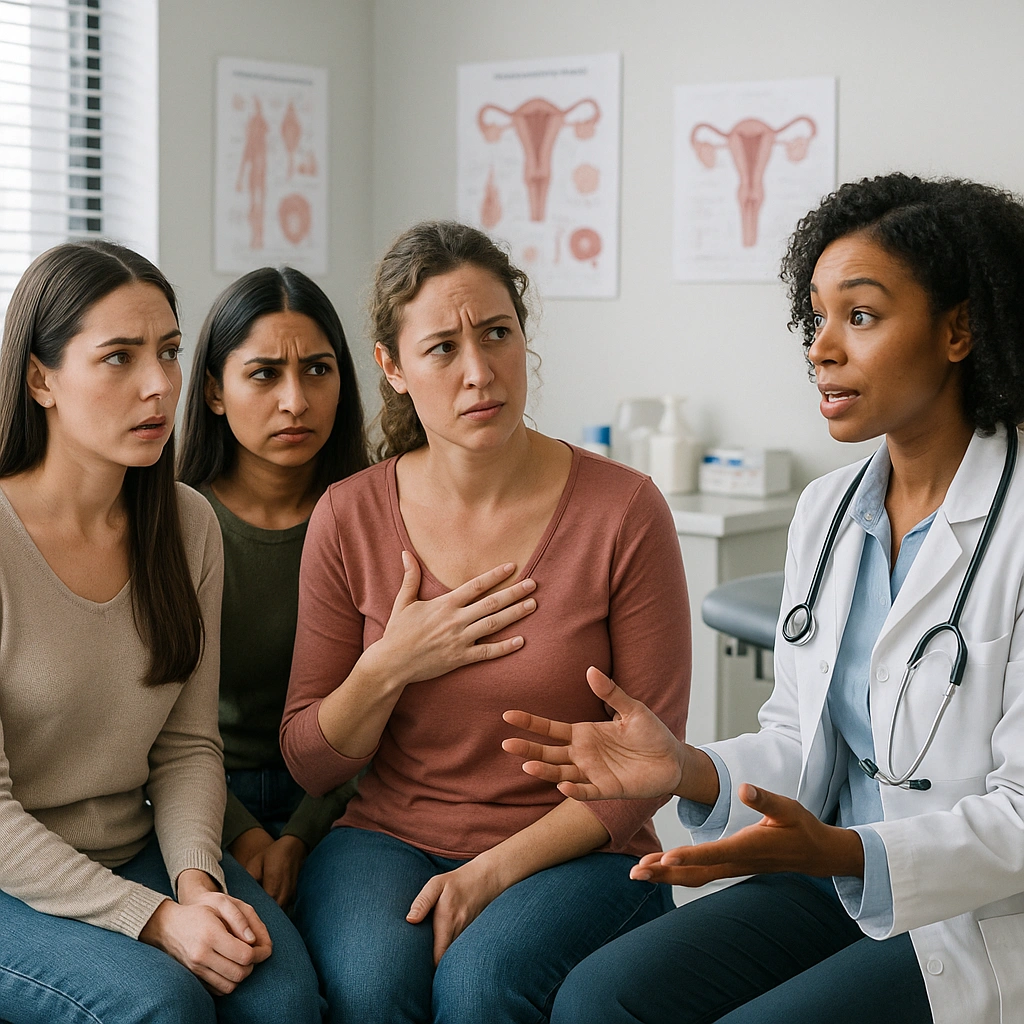
Understanding women's health is crucial for women of all ages, yet misinformation can lead to confusion and unnecessary worry. Many myths persist, perpetuated through casual conversations, social media, and even sometimes within healthcare settings. This article aims to address some of the most common misconceptions and provide accurate information to empower women in their health journeys.
Myth 1: Breastfeeding Makes You Lose Weight Fast
Many new mothers believe that breastfeeding will help them shed their pregnancy weight quickly. While breastfeeding does burn extra calories—approximately 300 to 500 calories per day—weight loss is not uniform for all women. For example, Maria, a patient who recently gave birth, expected to return to her pre-pregnancy weight rapidly. Instead, she discovered that her body was still adjusting hormonally and that weight loss can take time. The focus should be on nourishing the body, ensuring adequate hydration, and maintaining a balanced diet rather than solely on weight loss.
Myth 2: You Can’t Get Pregnant on Your Period
Some women believe that having sex during their menstrual cycle is a foolproof way to avoid pregnancy. This is a dangerous misconception. Sperm can live inside the female reproductive tract for up to five days, meaning if a woman has a short cycle, ovulation might occur shortly after her period ends. Sarah learned this the hard way; she experienced unexpected pregnancy after believing she was safe during her period. Understanding your cycle and using contraception consistently is essential for those who wish to prevent pregnancy.
Myth 3: Pap Tests are Only Needed Every Three Years
While the guidelines can suggest that a Pap test may only be needed every three years for women aged 21 to 29, it is not a one-size-fits-all situation. For women like Jessica, who has a family history of cervical cancer, more frequent screening may be necessary. It's crucial to have individualized discussions with healthcare providers about personal risk factors and to adhere to recommended screenings based on those discussions.
Myth 4: All Vaginal Discharge is Abnormal
Discharge is a normal part of the female reproductive system, and it varies throughout the menstrual cycle. For instance, Laura frequently worried about her discharge and assumed any variation signaled an infection or problem. However, her healthcare provider explained that normal discharge can change depending on hormonal fluctuations and may even signal ovulation. Knowing what is typical for your body can help you distinguish between normal and concerning signs.
Myth 5: Hormonal Birth Control Causes Infertility
Many women fear that using hormonal birth control will lead to permanent infertility. This was a concern for Emily, who hesitated to start the pill. In reality, research indicates that fertility typically returns shortly after stopping birth control. While some women might experience a temporary delay in return to fertility, the vast majority will conceive without issue once they discontinue use. It’s essential to discuss any concerns about birth control with a healthcare provider to make informed choices about reproductive health.
Myth 6: Menopause Happens Overnight
Many women think that menopause marks an abrupt transition at age 50. However, menopause is a gradual process that can take several years, known as perimenopause. For example, Anne began experiencing symptoms like irregular periods in her early 40s, reflecting her body’s gradual transition. Understanding this timeline allows women to better prepare for changes and seek support when needed. Education on menopause can help mitigate anxiety surrounding this natural biological process.
Myth 7: Regular Exercise Isn’t Necessary During Menstruation
Some women believe that physical activity should be avoided during menstruation. In fact, regular exercise can alleviate menstrual discomfort and boost mood. Clara, who experienced severe cramps, found that light exercise, like walking or yoga, significantly helped reduce her symptoms. Physical activity releases endorphins, making it a helpful ally during this time of the month.
Dispelling myths about women’s health is integral to improving overall well-being. Accurate information allows women to make informed decisions about their health and empowers them to advocate for their needs. Always consult healthcare professionals for personalized advice and to address any specific concerns. Knowledge is power, and being informed can lead to healthier, happier lives.


