The Complete STI Testing at Your Guide
The Complete STI Testing at Your Guide
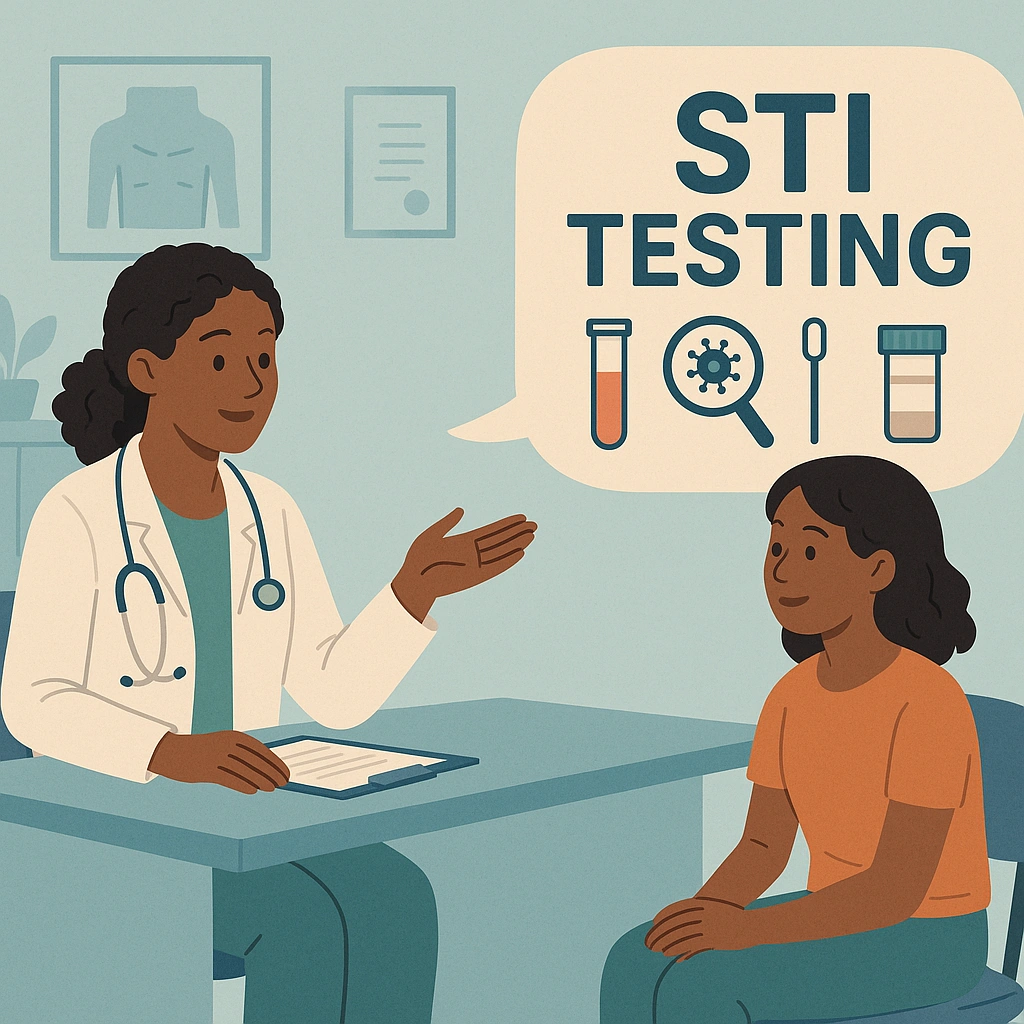
Many women wonder about the importance of STI testing during their healthcare visits. It's essential to understand the process, benefits, and what to expect. Here are some common questions you might have about STI testing.
Your questions, answered:
1. What is STI testing?
STI testing involves laboratory tests to check for sexually transmitted infections. These tests typically include urine samples, blood tests, or swabs from the genital area, depending on the symptoms and risk factors. Regular testing is crucial for early detection and treatment.
2. Why should I get tested for STIs?
Testing helps identify infections that might not show symptoms but can lead to serious health issues if untreated, such as infertility or chronic pain. Knowing your status allows for timely treatment and helps protect your sexual partners.
3. How often should I get tested?
The CDC recommends annual testing for sexually active women under 25 and those with new or multiple partners. If you have symptoms or a known exposure, it’s important to get tested as soon as possible.
4. What if my test results are positive?
A positive result doesn’t mean the end. Many STIs are treatable with medication. Your provider will discuss your options and next steps, including treatment and informing partners, ensuring you receive the support you need.
5. Are there any risks associated with STI testing?
STI testing is generally safe with minimal risks. Some individuals may experience discomfort during swab tests or a brief moment of anxiety about results. However, these tests are essential for safeguarding your health.
6. Can I get tested during my routine check-up?
Yes, it's common to include STI testing during routine gynecological visits. Discuss any concerns or symptoms with your provider, who can determine the appropriate tests based on your health history.
7. How do I prepare for my STI test?
Preparation may vary based on the tests being performed. Generally, you may be advised to avoid sexual activity for 24 hours prior to testing and refrain from urinating for at least an hour before a urine test to ensure accurate results.
8. What should I do while I wait for my results?
Self-care during this time is important. Stay calm by engaging in activities that you enjoy, such as reading or exercising. If you feel anxious, consider journaling or talking to a trusted friend for support.
Questions for Your Provider
- What specific STIs will you be testing for?
- How long will it take to get my results?
- What are the treatment options if I test positive?
- Do you recommend testing for my partner as well?
- How can I reduce my risk of STIs in the future?


