When Should You Consider Women's Health?
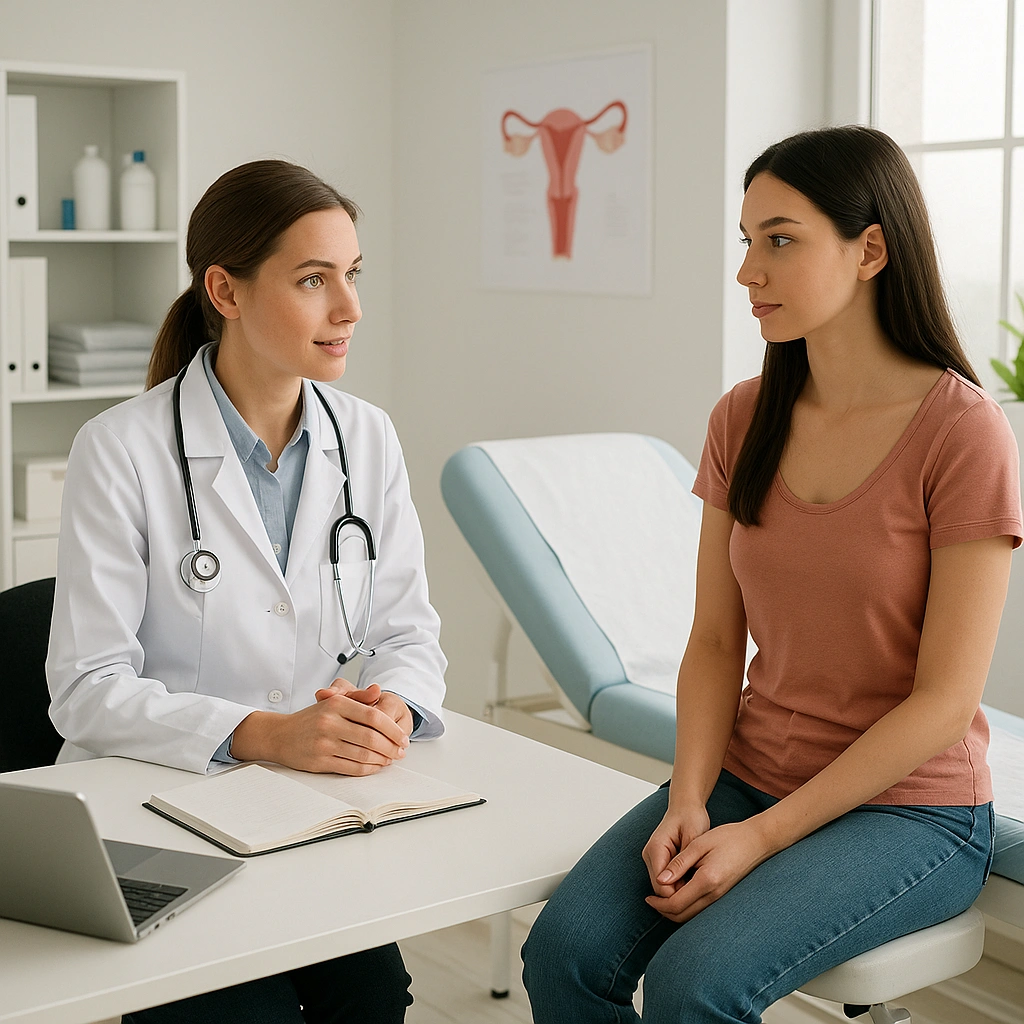
When Should You Consider Women's Health?
Women’s health is a broad term that encompasses various aspects of well-being, from reproductive health to chronic disease management. While many individuals associate women’s health services primarily with pregnancy and childbirth, there are numerous other factors and stages in life that warrant attention. Understanding when to seek specialized care can significantly enhance one’s quality of life and overall health. This guide aims to explore the critical junctures at which women should consider integrating their health into a broader care plan.
Understanding the Life Stages
Women experience several distinct life stages, each characterized by unique health needs. For instance, during adolescence, young women face hormonal changes that can lead to issues such as menstrual irregularity, acne, and anxiety. A common scenario involves an adolescent girl who experiences severe cramping and irregular periods. Consulting a healthcare provider early can help identify underlying conditions, such as polycystic ovary syndrome (PCOS) or endometriosis, enabling timely intervention.
Moving into young adulthood, women often prioritize their careers and personal lives but may neglect routine health screenings. A 25-year-old woman, for example, may begin experiencing unusual fatigue and weight fluctuations. These changes might be early indicators of thyroid issues or nutritional deficiencies. Regular check-ups during this time can help in early diagnosis and management, fostering long-term well-being.
Reproductive Health Matters
As women transition into their 30s and 40s, considerations surrounding reproductive health become increasingly relevant. Whether contemplating pregnancy or exploring fertility options, this stage is crucial. A couple might struggle with infertility, prompting them to seek specialized care. Understanding factors that influence fertility, such as age and lifestyle, is essential. A healthcare provider can offer tailored advice, aiding couples in making informed choices about conception.
Moreover, women in this age group may also start manifesting signs of perimenopause, such as irregular periods, hot flashes, or mood swings. A woman in her late 30s might report unpredictable menstrual cycles and increased irritability. These symptoms could indicate the onset of perimenopause, and discussing these changes with a healthcare professional can help manage symptoms effectively. Options like hormone therapy or lifestyle modifications can be explored for symptom relief.
Preventative Health Screenings
Preventative health screenings play a critical role in women's health. Starting at age 21, women should begin regular Pap smears to detect cervical cancer. A patient may have concerns about her sexual health and find comfort in discussing these with a trusted provider. Regular screenings not only assist in early detection of atypical cells but can also serve as an opportunity to discuss preventative measures against sexually transmitted infections (STIs).
Additionally, a woman in her late 40s might be due for her first mammogram. Early detection of breast cancer can significantly impact treatment outcomes. When women remain proactive about screenings, they empower themselves to take charge of their health. Developing an individualized screening schedule with a healthcare provider can help navigate these important assessments.
Managing Chronic Conditions
Women are often at risk for various chronic conditions, including heart disease and osteoporosis, particularly as they age. A 55-year-old woman with a family history of heart disease may begin to exhibit symptoms like shortness of breath during physical exertion. Seeking advice from a healthcare provider can lead to a comprehensive evaluation, including lifestyle modifications and possibly medication to manage risk factors.
Similarly, osteoporosis warrants attention, especially in postmenopausal women. A woman may not realize that her bone density is decreasing until she experiences a fracture. Bone density tests can be a vital component of health screenings, aiding in early detection and intervention to preserve bone health.
The Role of Mental Health
Mental health is another critical aspect of women’s overall health that often goes overlooked. The stresses of raising a family, career demands, and societal expectations can take a toll. Women in their 30s and 40s may experience anxiety or depression that can impede daily functioning. An open dialogue with a healthcare provider can create a supportive environment in which to address these concerns, explore treatment options, and provide necessary referrals to mental health specialists.
Ultimately, seeking women's health services should not be confined to specific life events but rather embraced as a continuous journey. Each woman’s needs evolve, and recognizing when to engage with healthcare resources can empower women to advocate for their health.


