Women's Health Tips from Healthcare Providers
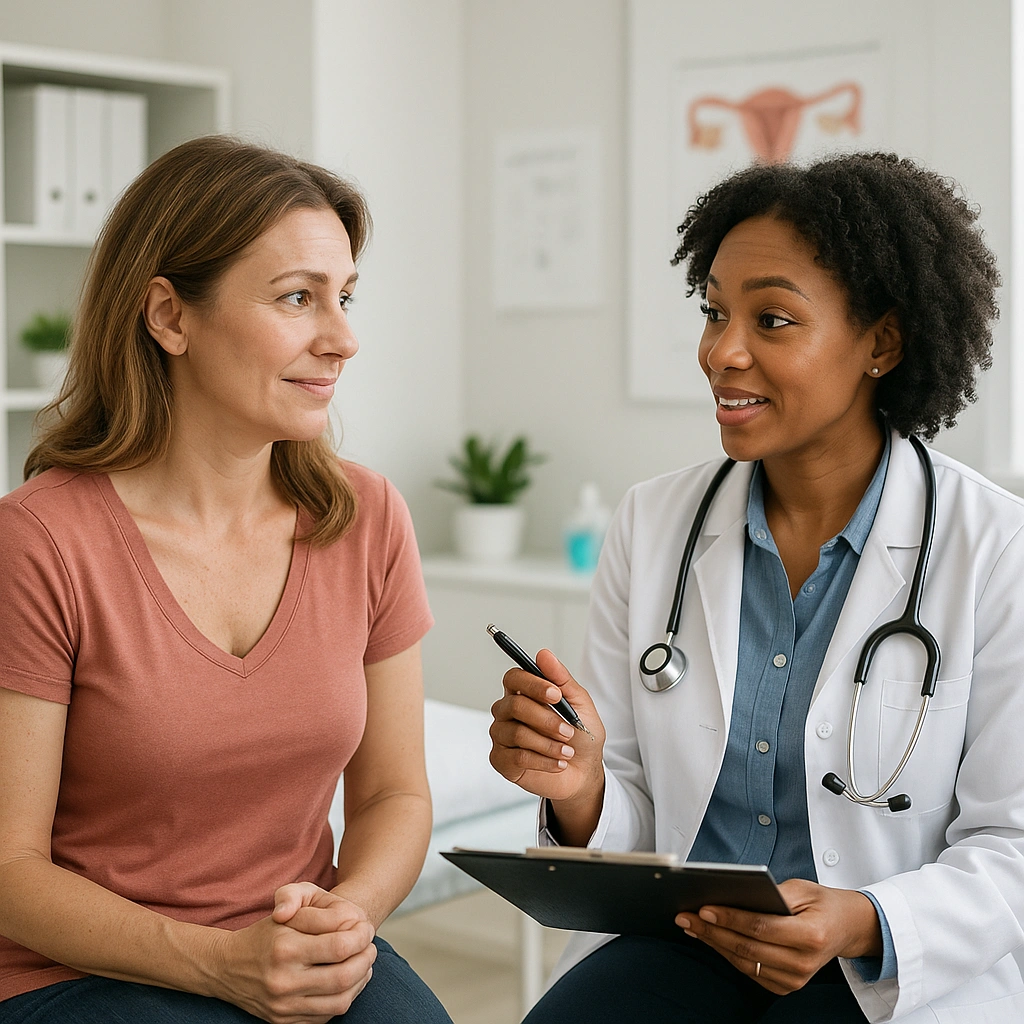
Women's Health Tips from Healthcare Providers
Women's health encompasses a broad spectrum of topics that are critical to overall well-being. From reproductive health to chronic disease management, understanding these areas can significantly impact one’s quality of life. Here, we present insights from healthcare providers at Clinica Santa Maria, focusing on practical tips and real-world scenarios that underscore the importance of proactive health management.
Understanding Reproductive Health
Many women experience various challenges related to reproductive health. One typical scenario involves a young woman, Sarah, who visits her healthcare provider due to irregular menstrual cycles. After a thorough evaluation, it was discovered that she had polycystic ovary syndrome (PCOS), a condition that can affect fertility and hormone levels. Her healthcare provider emphasized the importance of lifestyle modifications, including regular exercise and a balanced diet, along with possible medication to regulate her cycles. This example highlights how understanding reproductive health can lead to effective management strategies.
Regular Screenings are Essential
Routine screenings play a crucial role in women's health. A common guideline is to begin annual screenings for cervical cancer with a Pap smear at age 21 or within three years of becoming sexually active. Take the case of Maria, a 28-year-old who neglected her screenings due to fear and misinformation. After experiencing unusual symptoms, she finally sought care, and her provider discovered early changes that could lead to cancer. By that point, a simple screening could have caught these changes earlier. Healthcare practitioners stress that addressing fears and encouraging open dialogue about these topics can save lives.
Mental Health Matters
Women often juggle multiple roles, which can lead to mental health challenges. Take the example of Lisa, who found herself feeling overwhelmed while balancing her career and family life. After discussing her symptoms of anxiety with her healthcare provider, she learned about the benefits of mindfulness and stress reduction techniques. With support, she was guided towards therapy and discovered coping mechanisms that improved her mental well-being. This scenario underscores the importance of mental health support and the need for healthcare providers to be attuned to their patients' emotional needs.
Nutrition and Physical Health
Nutritional health is another significant component of women's well-being. For instance, consider the case of Emily, a 40-year-old mother who struggled with weight management. Her healthcare provider suggested dietary changes that included incorporating more whole foods and reducing sugar intake. Additionally, they discussed the importance of regular physical activity tailored to her lifestyle. Through these adaptations, Emily not only lost weight but also improved her energy levels and overall health. This story illustrates how personalized nutritional advice can have profound effects on women’s health.
The Importance of Building a Support System
A strong support network can significantly impact women's health outcomes. For example, Jenna, a recent breast cancer survivor, shared her story about how her friends and family rallied around her during treatment. Her healthcare team encouraged her to reach out for emotional support, emphasizing that connections with others can be just as important as medical treatment. Women are encouraged to foster connections with their communities, as these relationships provide not only emotional support but also practical assistance during challenging times.
Addressing Menopause Symptoms
As women transition into menopause, they often face a variety of symptoms ranging from hot flashes to mood swings. Consider the experience of Carol, a 55-year-old who sought help for her symptoms. Her healthcare provider worked with her on a management plan that included hormone replacement therapy as well as lifestyle changes. By discussing her options openly, they effectively tailored a strategy that allowed Carol to navigate her symptoms with greater ease. This narrative reinforces the importance of open communication with healthcare providers about menopause-related issues.
Staying Informed and Engaged
Lastly, staying informed about health issues is vital. Women like Natasha, who actively participate in health workshops or reading current literature, often report feeling more empowered and knowledgeable about their health. Engaging with reliable sources of information and participating in community health initiatives can inspire proactive health management decisions.
Women's health is multifaceted and requires a collaborative approach between patients and healthcare providers. Understanding personal health concerns and being proactive can lead to better outcomes and a higher quality of life.


