Women's Health: What Women Need to Know
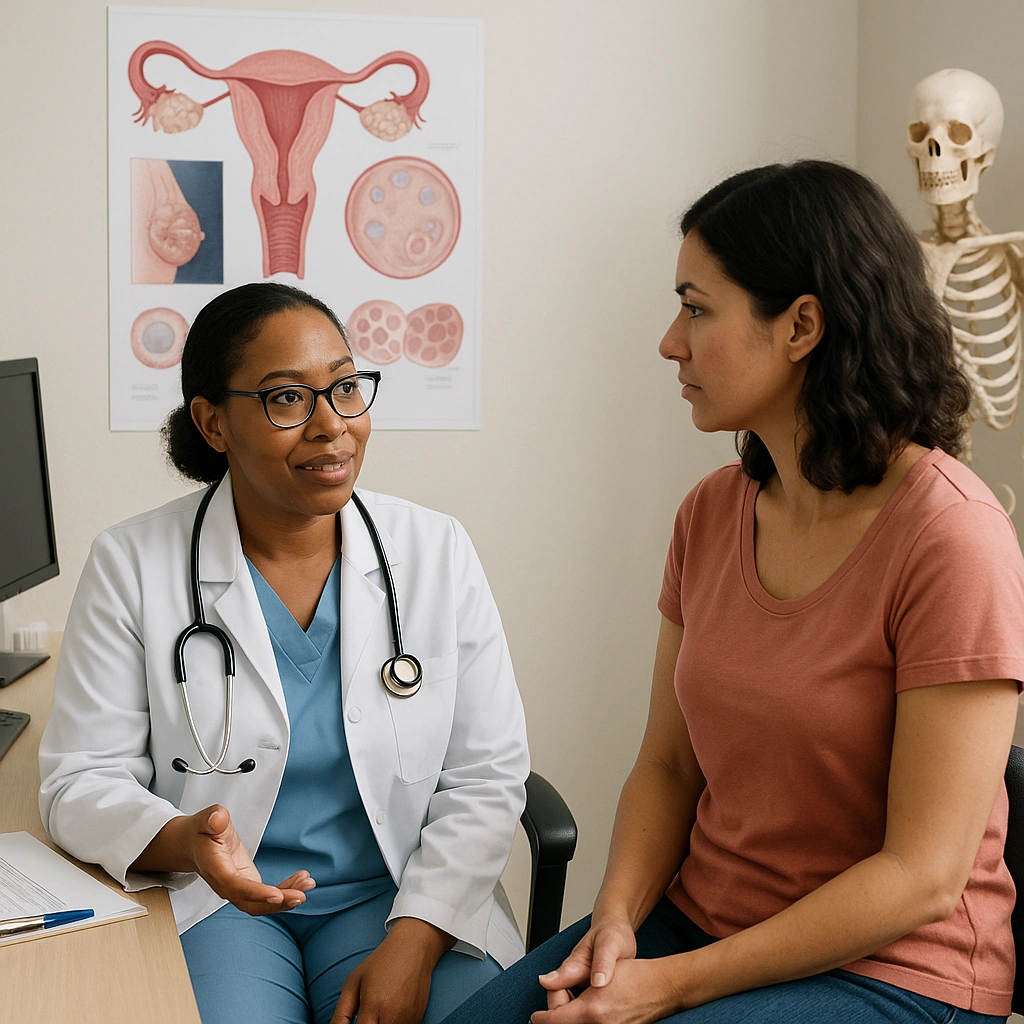
Women's Health: What Women Need to Know
Women's health encompasses a broad spectrum of medical services tailored to the unique physiological, emotional, and social needs of women. Understanding these health services can empower women to make informed decisions about their care and well-being. This article aims to illuminate various aspects of women’s health, drawing on real-life scenarios to illustrate the importance of comprehensive care.
Understanding Routine Health Screenings
Routine health screenings are critical in identifying potential health issues before they become serious. For example, consider Maria, a 35-year-old woman who visits her healthcare provider for a routine check-up. During her visit, she learns about the importance of annual pelvic exams and pap smears, which can detect cervical cancer in its early stages. Maria’s healthcare provider explains that these screenings should start at age 21, regardless of sexual history, and continue every three years until age 29. From ages 30 to 65, women can choose to have pap smears every five years if combined with HPV testing.
These discussions can alleviate anxiety and encourage proactive health management. By sharing her experience, Maria realizes she is not alone in her concerns, prompting her to prioritize her health and attend regular screenings.
Maternity Care and Family Planning
For many women, maternity care is a significant component of health services. Take Sarah, who is trying to conceive and seeks guidance on family planning. She learns about the critical role of preconception care, including lifestyle modifications and managing preexisting conditions. Her healthcare provider emphasizes the importance of folic acid supplementation to prevent neural tube defects and encourages her to schedule regular follow-ups throughout her pregnancy.
During Sarah’s pregnancy, she faces challenges such as gestational diabetes, which requires careful monitoring and dietary adjustments. Her team of healthcare professionals, including obstetricians and dietitians, work collaboratively to ensure both her health and her baby’s well-being. This holistic approach highlights the importance of personalized maternity care in addressing the unique challenges women face during pregnancy.
Menopause and Hormonal Health
As women age, they may encounter menopause, a natural transition that can bring about various symptoms, including hot flashes, mood swings, and sleep disturbances. Consider Linda, a 52-year-old woman who comes to a clinic seeking help for her symptoms. She discovers that hormonal therapy can alleviate some of her discomforts, but it isn't the only option available. Her healthcare provider discusses alternative treatments, lifestyle changes, and the importance of regular check-ups to monitor her overall health during this phase.
The support Linda receives emphasizes the need for individualized care in managing menopausal symptoms. Healthcare providers can offer resources such as counseling and support groups, helping women navigate this significant life change with confidence.
Addressing Mental Health
Mental health is an integral part of comprehensive women's health care, yet it often goes under-discussed. For instance, Angela, a young mother struggling with postpartum depression, feels isolated and overwhelmed. Upon visiting her healthcare provider, she receives a referral to a mental health specialist and learns about various treatment options, including therapy and medication.
Angela’s experience highlights the importance of integrating mental health services into women's health. Recognizing the signs of depression and anxiety is crucial, as mental well-being has a profound impact on physical health and overall quality of life. This integrated approach can offer women the support they need during vulnerable times.
Preventive Care and Healthy Lifestyle Choices
Preventive care is essential for maintaining overall health and well-being. Health educators often stress the importance of a balanced diet, regular exercise, and routine screenings. For example, Jane, a busy professional in her 40s, makes small changes to her lifestyle after learning about the benefits of regular physical activity and healthy nutrition. She starts attending fitness classes and prioritizes whole foods in her diet, ultimately improving her energy levels and mood.
Through education and resources, women can gain the knowledge needed to make healthier lifestyle choices, empowering them to take charge of their health. This proactive stance not only benefits individual women like Jane but also fosters a culture of wellness within communities.
In summary, women's health services offer a wide range of care options that address the specific needs of women at different life stages. By staying informed and engaged in their health care, women can enhance their quality of life, navigate challenges, and promote overall wellness. Whether it’s routine screenings, maternity care, managing menopause, or addressing mental health, understanding these services empowers women to make informed decisions about their health journeys.


