How to Navigate Stress and Women's Health
How to Navigate Stress and Women's Health
What to Know
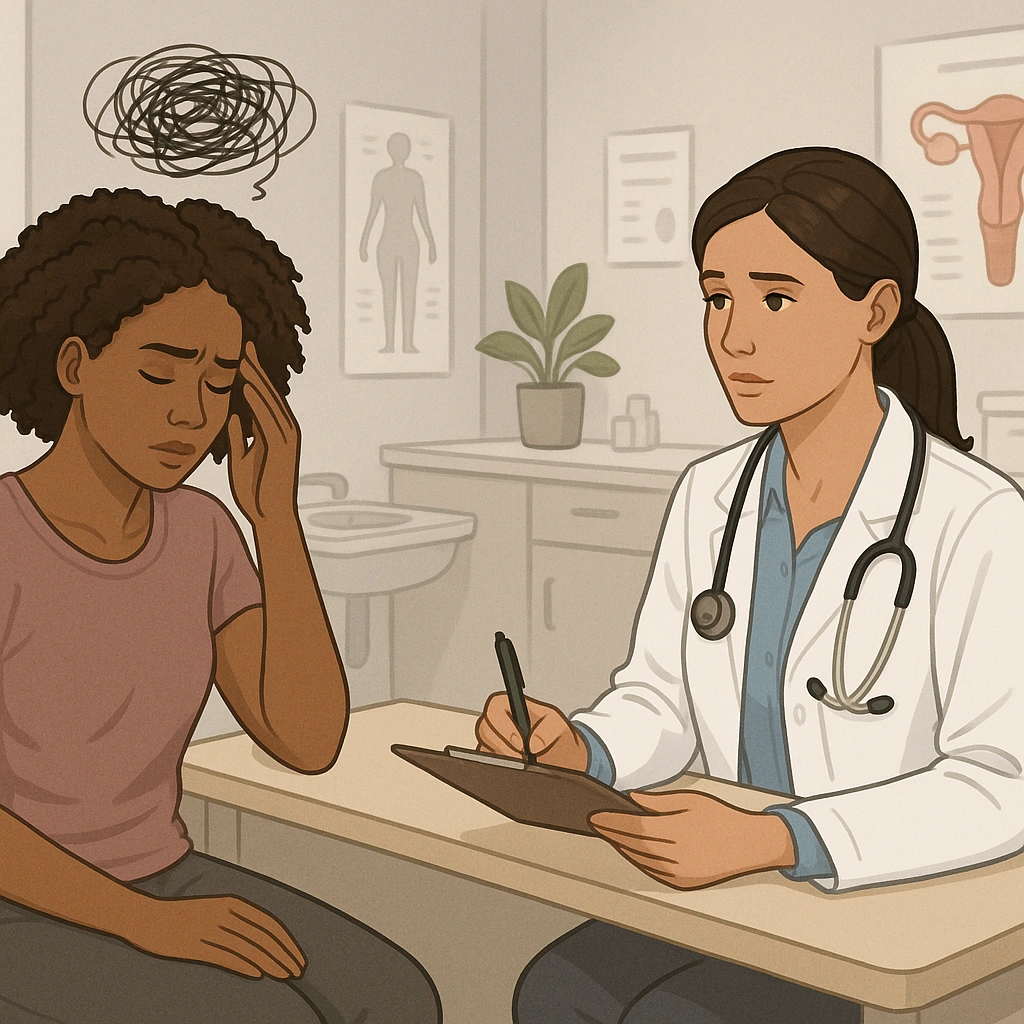
Stress is a common experience, but how it affects your health can be unique, especially for women. Understanding these effects and taking proactive steps can significantly improve your well-being. You may encounter symptoms like headaches, fatigue, or emotional fluctuations, which can affect your daily life and overall health.
Step 1: Recognize the Signs of Stress
Pay attention to how you feel emotionally and physically. Symptoms like irritability, trouble sleeping, or changes in appetite can signal high stress levels. Recognizing these signs is essential because chronic stress can lead to serious health issues such as heart disease, anxiety disorders, and hormonal imbalances.
Many women worry that these feelings are just a part of life. However, acknowledging stress is the first step towards managing it. You are not alone; many women experience these symptoms at different stages of life.
Step 2: Practice Mindfulness and Relaxation Techniques
Incorporating mindfulness practices, such as deep breathing exercises, yoga, or meditation, can help you manage stress. These techniques lower cortisol levels, promote relaxation, and improve emotional health. By creating a routine that includes these activities, you can build resilience against daily stressors.
Some women feel overwhelmed by the idea of adding new practices to their lives. Start small; even a few minutes each day can make a difference. The goal is to find what works best for you and helps you feel more centered.
Step 3: Prioritize Sleep
Ensure you are getting enough restorative sleep. Poor sleep can contribute to elevated stress levels and exacerbate physical symptoms. Aim for 7-9 hours of quality sleep each night. Establish a calming nighttime routine to help signal your body that it is time to wind down.
You might be facing challenges with sleep, such as insomnia or frequent wakefulness. These issues can directly impact your stress levels and overall health, making it crucial to address them. If you struggle to improve your sleep, consider discussing this with your healthcare provider.
Step 4: Maintain a Balanced Diet
Your diet plays a significant role in how your body handles stress. Focus on consuming whole, nutrient-rich foods while limiting processed foods, sugars, and caffeine. Eating a balanced diet can stabilize your mood and energy levels, making it easier to cope with stress.
Some women may find it challenging to eat healthily due to busy schedules or emotional eating habits. Recognize that small changes can lead to significant improvements over time. Consider meal prepping to make nutritious choices more accessible during stressful times.
Step 5: Seek Support
Don’t hesitate to reach out for help. Talk to friends, family, or a mental health professional about what you’re experiencing. Building a support network can be an invaluable resource in managing stress. You may find comfort and understanding from those who share similar experiences.
Many women feel guilty for needing support, but seeking help is a sign of strength. It’s important to remember that you deserve to feel your best. Connecting with others can provide validation and new coping strategies.
When to Contact Your Provider
If you find that stress is affecting your ability to function in daily life or leading to persistent physical symptoms, it may be time to consult with a healthcare provider. Look out for the following symptoms:
- Severe headaches that do not go away
- Persistent fatigue that doesn't improve with rest
- Significant changes in appetite or weight
- Feelings of hopelessness or depression
- Increased anxiety or panic attacks
It's important to listen to your body and seek help when needed. Your provider can help you navigate these challenges and may recommend additional resources or support systems tailored to your needs.
By following these steps, you can create a personalized approach to managing stress and improving your overall health. Remember, prioritizing your well-being is not only beneficial for you but also for those around you.


