How to Navigate Travel Health for Women
How to Navigate Travel Health for Women
What to Know
Traveling can bring excitement and adventure, but it also raises important health considerations, especially for women. Do you have concerns about how to manage your health while away from home? This guide will help you navigate the unique aspects of travel health specific to women's needs. Based on current medical standards, understanding these steps can greatly enhance your travel experience and ensure you prioritize your well-being.Step 1: Consult Your Healthcare Provider
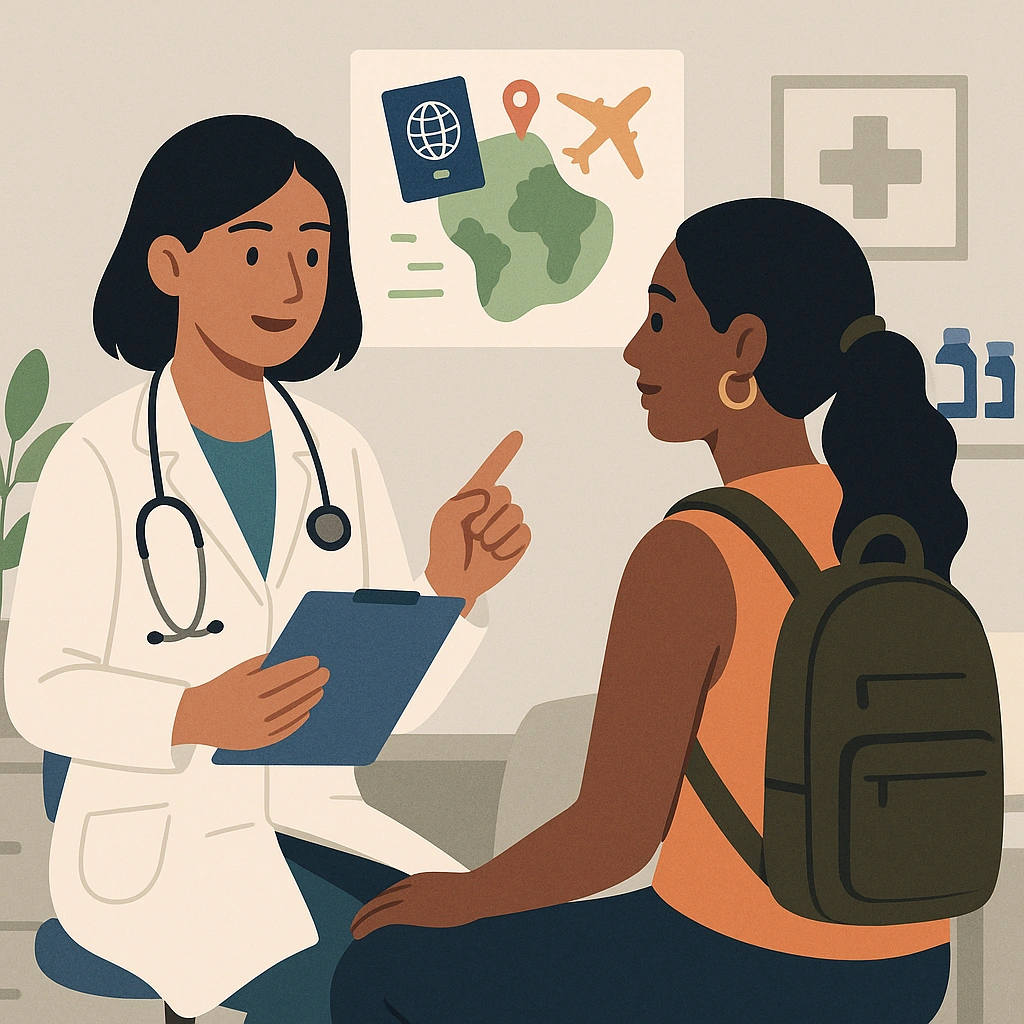
Before embarking on your journey, schedule an appointment with your healthcare provider. This consultation is crucial to review your medical history, current medications, and any specific health concerns related to your destination. Addressing these factors is vital because certain regions may have health risks such as infectious diseases that could be more prevalent. Common concerns might include questions about vaccinations or medications you might need. For instance, if you're traveling to an area with a high incidence of malaria, your provider will likely discuss preventative measures such as antimalarial medications.Step 2: Review Your Medications
It's essential to ensure you have enough of your prescribed medications for the duration of your trip, plus a few extra days' worth in case of delays. Why does this matter? Some medications may not be readily available in other countries, and being without them could affect your health. Make a list of your medications, including dosages and potential side effects. This can help address concerns if you experience any side effects while away. Additionally, consider carrying a copy of your prescriptions, which can be helpful if you need to refill them or if customs requires proof.Step 3: Understand Travel Health Risks
Different destinations come with varying health risks that can impact women differently. Research your destination for common health issues, such as Zika virus in certain areas or foodborne illnesses. This understanding matters; it helps you take preventive measures before and during your travel. For example, if you're pregnant or planning to become pregnant, being aware of Zika risk areas is crucial. Taking simple precautions, like avoiding mosquito bites and consuming safe food and water, can significantly reduce your risk of illness.Step 4: Consider Mental Health
Travel can evoke mixed emotions, from excitement to anxiety. It's important to take mental health into account. If you have a history of anxiety or depression, discuss your travel plans with your provider. They can provide strategies or adjustments to your treatment plan that can help during your trip. Many women worry about being away from their usual support systems. Knowing how to manage stress or anxiety while traveling is as important as your physical health. Whether that's through relaxation techniques, mindfulness practices, or having a support network, it can make your journey smoother.Step 5: Prepare for Specific Health Needs
Women may have specific health needs during travel, such as menstrual care or hormonal contraceptive management. Ensure you have an adequate supply of any menstrual products or medications you may need. This preparation matters because access to preferred products or medications can vary greatly by location. Consider time zone changes and what that means for your birth control schedule. If you're traveling internationally, you might want to discuss with your healthcare provider if any adjustments are necessary for medication timing or dosing.How to Prepare for Your Appointment
To make the most of your appointment with your healthcare provider, come prepared with a list of questions and concerns. Write down your itinerary, including your destination, travel dates, and any planned activities. This information will help your provider offer tailored advice. It may also be beneficial to bring along details about your health history, including vaccination records and existing medical conditions. This can enhance the discussion and allow your provider to give you the most accurate recommendations. Lastly, consider asking about resources, such as travel clinics or websites, where you can find further information related to your destination.For additional women's health services, Explore comprehensive women's health services.


