How to Navigate Women's Health
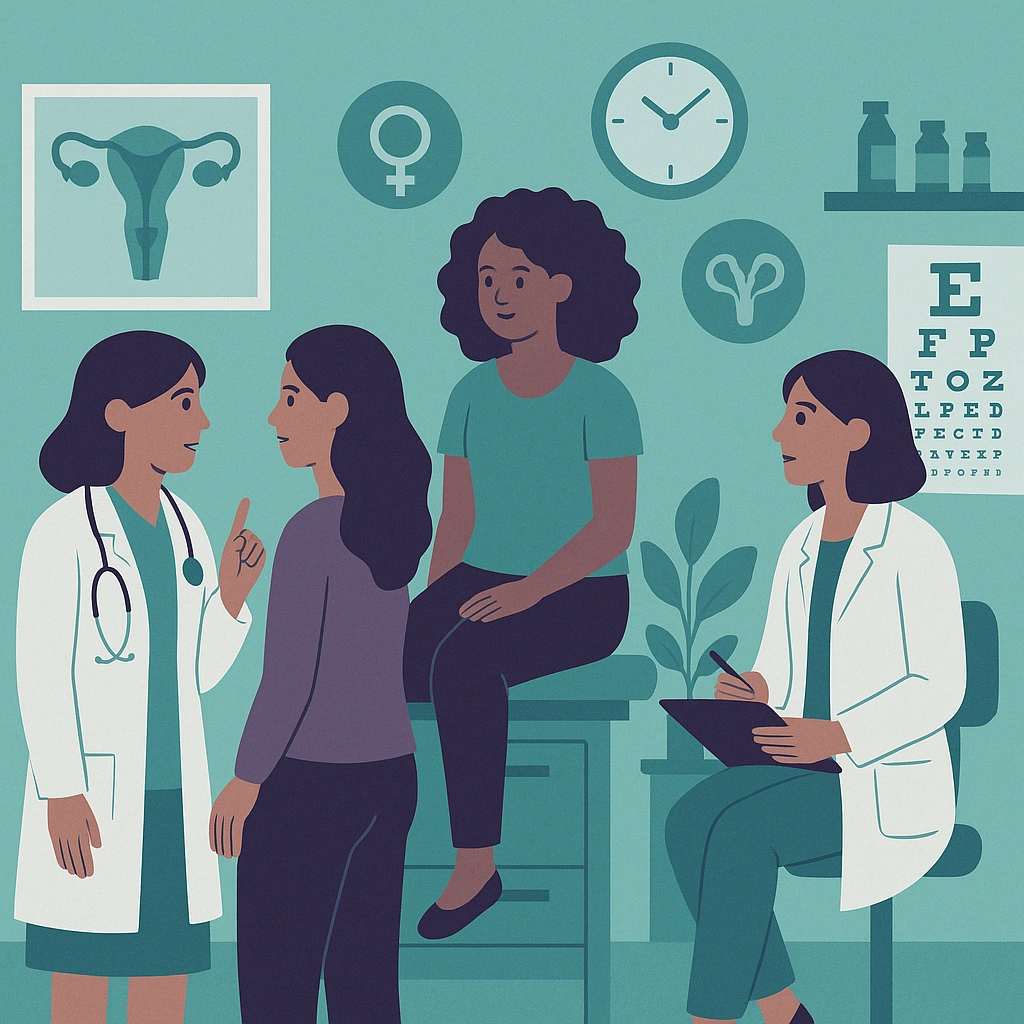
How to Navigate Women's Health
Women's health encompasses a wide range of medical issues that uniquely affect women throughout their lives, from adolescence to menopause and beyond. Navigating this landscape can often feel overwhelming, but understanding the available services and how to approach your health can empower you. In this guide, we explore essential women's health services and provide insights to help you along your journey.
Understanding Routine Care
Routine healthcare is a foundational element of women's health. Regular check-ups and screenings, such as annual pelvic exams and mammograms, play a crucial role in preventative care. For instance, a 35-year-old woman named Sarah began attending her annual wellness visits after her doctor recommended them during a visit for irregular menstrual cycles. During one such visit, her physician suggested a mammogram since she had a family history of breast cancer. This early detection allowed for proactive measures, significantly improving her health outcome.
Menstrual Health
Menstrual health is often overlooked yet serves as a vital indicator of overall well-being. Conditions like polycystic ovary syndrome (PCOS) or endometriosis can lead to irregularities that affect quality of life. Consider the case of Maria, a 28-year-old who struggled with painful periods and persistent fatigue. After consulting with a healthcare provider, she was diagnosed with endometriosis. Understanding her condition allowed her to explore treatment options, including medication and lifestyle changes, leading to a significant reduction in her symptoms.
Maternity Care: A Journey of Change
Maternity care is a unique and transformative aspect of women's health. Engaging in prenatal care is critical for ensuring a healthy pregnancy. For example, Jessica, a new mom, shared her experience of receiving personalized care focused on her specific needs and concerns. Regular check-ups, nutrition counseling, and education on labor and delivery were crucial during her pregnancy. Her proactive approach to maternity care paved the way for a smooth delivery and a healthy baby.
Postpartum Support
The postpartum phase can often be as challenging as pregnancy itself. Many women experience physical and emotional changes, including postpartum depression. Emily, a first-time mother, discovered this reality when she felt overwhelmed after bringing her baby home. By attending a postpartum support group at her clinic, she found a community that understood her struggles, allowing her to share her experiences and seek help. Such support systems can significantly impact a woman's recovery and emotional well-being during this crucial time.
Menopause: Embracing Change
Menopause is another significant stage in women's health that warrants specialized attention. Symptoms can range from physical changes due to hormonal fluctuations to emotional shifts. Take Linda, a 52-year-old navigating menopause, who experienced intense hot flashes and mood swings. By consulting with her healthcare provider, she learned about hormone therapy and lifestyle adjustments to manage her symptoms effectively. The key takeaway is to remain open about discussing these changes with your healthcare provider to identify the best management strategies.
Health Beyond Reproductive Issues
While reproductive health is central, women should also focus on other aspects of their health. Cardiovascular disease, diabetes, and mental health are critical issues that can affect women differently than men. For instance, Sarah, a 45-year-old with a family history of heart disease, took proactive steps such as regular check-ups and adopting a healthier lifestyle, including exercise and nutrition modifications. Her journey emphasizes the importance of holistic health management.
Finding the Right Resources
With so many components to women's health, access to reliable resources is essential. Seeking advice from healthcare providers who specialize in women's health can guide you through personalized care options. The importance of tailoring healthcare to the individual cannot be overstated. Every woman’s experience is unique, necessitating a personalized approach to health.
In summary, navigating women's health involves understanding the various aspects of care available and recognizing the importance of routine appointments, awareness of specific health issues, and advocating for oneself. By sharing stories and experiences, women can empower one another to take control of their health and well-being.


