How to Navigate Women's Health
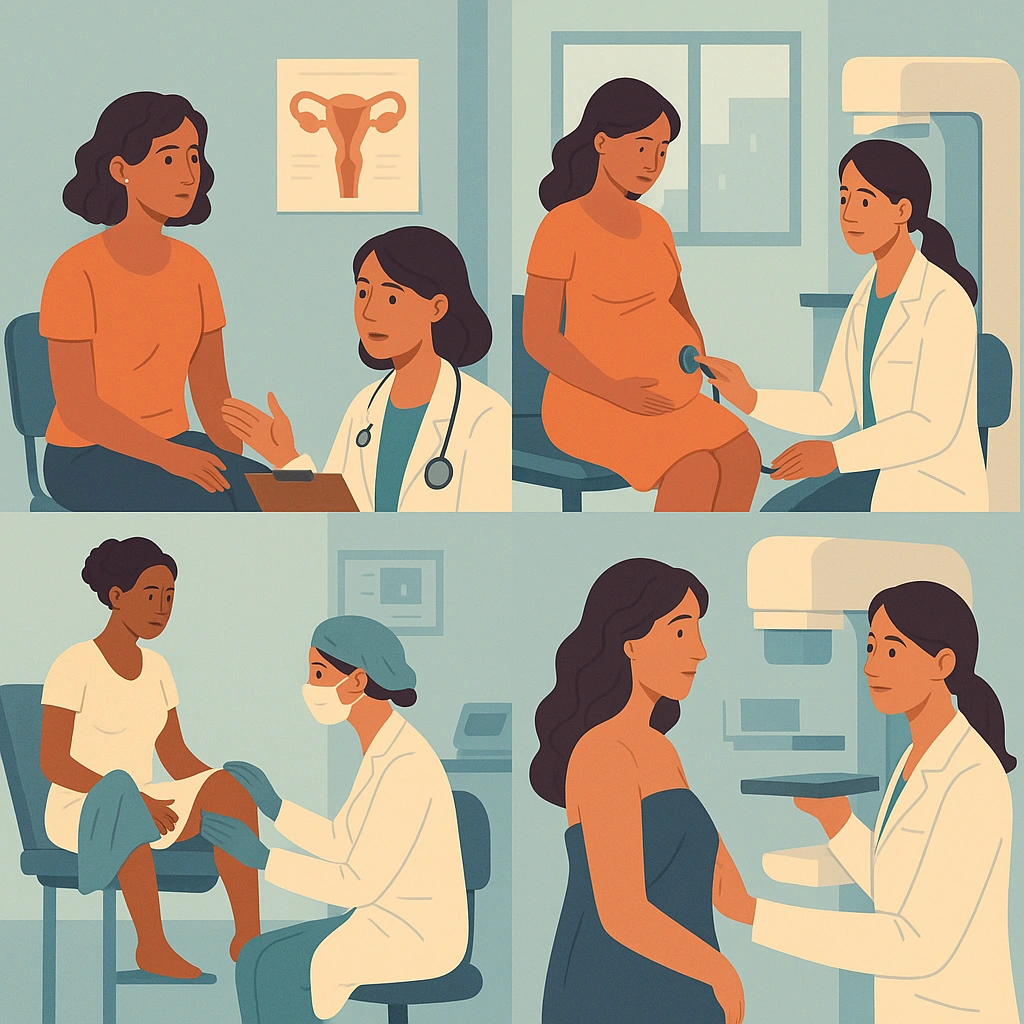
How to Navigate Women's Health
Women's health is a multifaceted area of medicine that encompasses a variety of concerns, from reproductive health to chronic conditions and mental wellness. Understanding the unique aspects of women's health is crucial for proactive management and informed decision-making. At Clinica Santa Maria, we aim to support women in navigating these complexities, particularly along Southmost Rd, where community access to such services is essential.
Understanding the Importance of Regular Check-ups
A cornerstone of women's health is regular check-ups. These appointments can help detect issues early, such as cervical cancer, breast cancer, or sexually transmitted infections (STIs). For instance, a 35-year-old woman with a family history of breast cancer might benefit from more frequent mammograms and clinical breast exams, as early detection significantly increases successful treatment rates. Yet, many women postpone these visits due to busy schedules or a lack of awareness about their importance.
Routine Screenings and Their Role
Routine screenings, including Pap smears and pelvic exams, are vital. In our clinic, we often see women who, despite being asymptomatic, present with surprising findings during a routine check-up. For instance, one patient, a 28-year-old, came in for a general wellness exam and was found to have abnormal cervical cells. Early intervention allowed her to explore treatment options that preserved her fertility while ensuring her long-term health.
Reproductive Health: A Complex Journey
Reproductive health encompasses a range of issues, including menstruation, pregnancy, and menopause. Understanding these can empower women to manage their health proactively. A common scenario involves women in their late 20s to early 30s who are navigating issues like polycystic ovary syndrome (PCOS). This condition can lead to irregular periods and difficulty conceiving. With appropriate management, including lifestyle modifications and hormonal treatments, many women experience significant improvements.
Menopause Management: A New Chapter
As women approach menopause, they often encounter various symptoms—hot flashes, mood swings, and sleep disturbances. A 50-year-old patient shared her frustrations about these symptoms affecting her daily life. By discussing her symptoms openly, we were able to develop a personalized plan that included lifestyle changes, mindfulness strategies, and, where appropriate, hormone therapy. This comprehensive approach not only alleviated her symptoms but improved her overall quality of life.
Addressing Mental Health in Women
Mental health is an essential but often overlooked aspect of women's health. Conditions such as depression and anxiety can have profound effects on women's physical health. For example, a young mother who struggled with postpartum depression found it challenging to bond with her newborn. Through counseling and support groups, she learned coping mechanisms and strategies to manage her mental health. This support not only aided her recovery but also strengthened her relationship with her child.
Holistic Approaches and Integrative Care
Integrative care is increasingly recognized as vital in women’s health management. This approach combines traditional medical treatments with complementary therapies such as acupuncture, yoga, and nutrition counseling. For example, a patient dealing with chronic migraines found that alongside her prescribed medication, regular yoga practice and acupuncture significantly reduced the frequency and intensity of her migraines. Combining different treatment modalities often leads to a more comprehensive approach to health, addressing both physical and emotional well-being.
Being Your Own Advocate
Empowering women to be their own advocates is crucial. It’s important for women to voice their concerns and ask questions during medical consultations. A middle-aged patient once expressed hesitation about discussing her irregular periods due to embarrassment. Upon encouragement, she opened up during her visit, leading to a thorough evaluation. This proactive attitude not only built her confidence but also led to a diagnosis that was easily managed. Remember, healthcare providers are here to listen and guide you through your concerns.
Conclusion
Navigating women’s health requires awareness, advocacy, and a supportive network. Understanding the various aspects of health, from routine screenings to managing reproductive and mental health, can empower women to take proactive steps. Clinica Santa Maria aims to provide compassionate and comprehensive care tailored to individual needs, ensuring that women can navigate their health journey effectively.


