Is Women's Health Right for You?
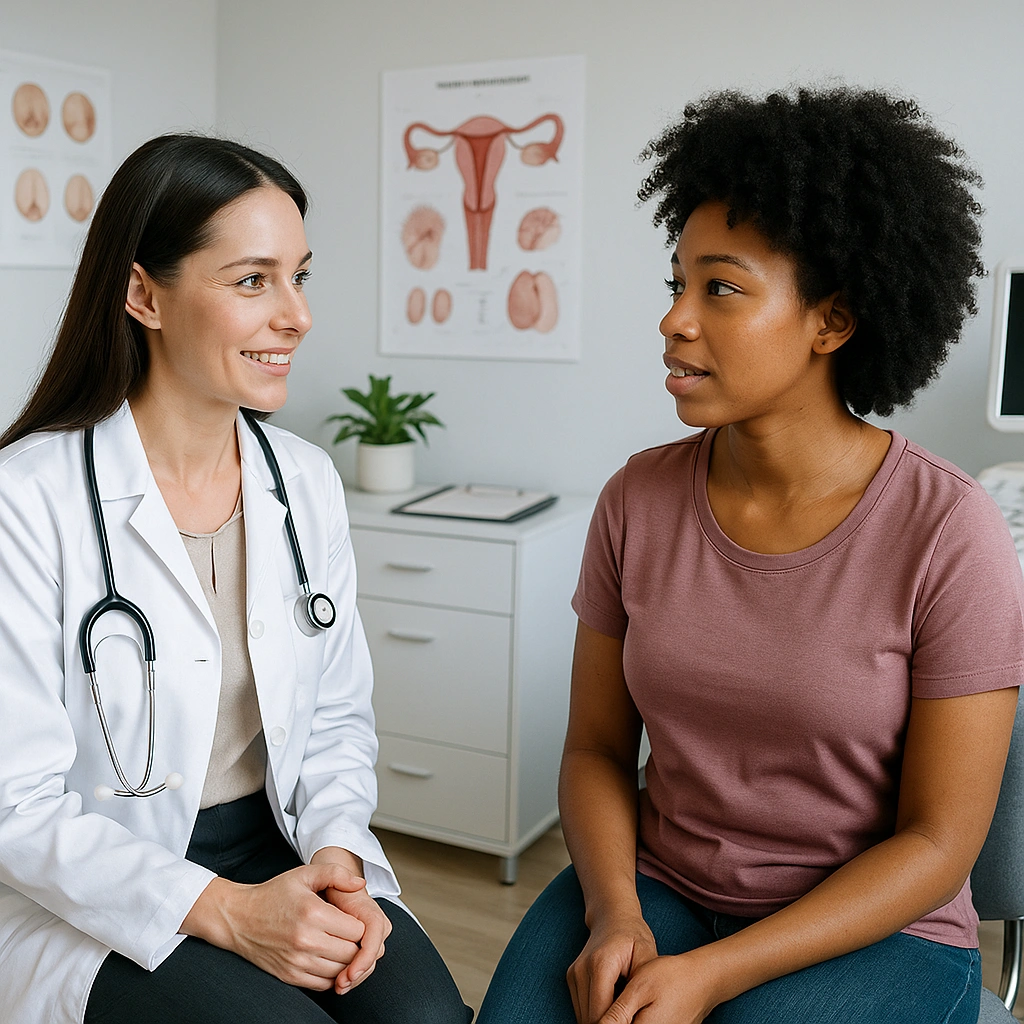
Is Women's Health Right for You?
Women's health is an essential but often overlooked aspect of comprehensive healthcare. It's crucial to understand what women's health services encompass and how they can directly impact your well-being. Many women may wonder if these services are right for them, and the answer often lies in the specifics of one's health needs, life stage, and personal concerns.
Understanding Women's Health Services
Women's health services are designed to address various physical and mental health needs throughout different life stages. These services can include routine gynecological exams, prenatal care, menopause management, and screenings for particular health risks like breast and cervical cancer. For instance, Sarah, a 29-year-old expecting her first child, turned to her healthcare provider for prenatal care. Regular check-ups allowed her to monitor the health of both her and her baby, providing peace of mind during a pivotal time.
Routine Gynecological Care
Routine gynecological exams are an integral part of women's health. These check-ups typically include pelvic exams, Pap smears, and breast examinations. For example, Emily, a 35-year-old woman with no prior health issues, attended her routine exam and found out that she needed further screening for HPV, which could lead to cervical cancer if not monitored. This timely intervention illustrates the importance of regular health check-ups.
Prenatal and Postnatal Care
Prenatal care is vital for monitoring the health of both mother and child during pregnancy. Services often include blood tests, ultrasounds, and lifestyle counseling. Postnatal care, on the other hand, focuses on the mother's recovery after childbirth. Jessica experienced significant postpartum complications that were detected during her postnatal check-up, allowing her healthcare team to provide the necessary treatments early on. Such examples underscore the critical need for consistent care before and after childbirth.
Menopause and Aging Concerns
As women age, they often experience unique health changes, particularly during menopause. This can include symptoms like hot flashes, mood swings, and various physical changes. Understanding these can empower women to address their symptoms proactively. Linda, a 52-year-old, sought help for her severe symptoms and found relief through hormone therapy and lifestyle changes prescribed by her healthcare provider. This tailored approach not only improved her quality of life but also significantly reduced her anxiety regarding the transition.
Screenings and Preventive Care
Screenings are a crucial part of women's health, enabling early detection of conditions such as breast cancer and cardiovascular diseases. Regular mammograms and clinical breast exams can save lives by catching issues early. Take the case of Maria, who started mammography at 40. She detected an early-stage breast lump that was successfully treated. Preventive measures, like vaccinations and lifestyle counseling, are equally important. They help women make informed choices about their health and address potential risks before they escalate.
Mental Health Considerations
Mental health is an integral part of women's overall health. The emotional strains of balancing work, family, and personal life can be overwhelming. Depression and anxiety are common in women but often go untreated. Rachel, for example, struggled with postpartum depression but felt hesitant to seek help. After discussing her feelings with a healthcare provider during a routine check-up, she was referred to a counselor specializng in postpartum issues, leading her to a path of recovery. This scenario highlights the importance of recognizing that emotional health is just as vital as physical health.
Emphasizing Personalized Care
What makes women's health services particularly effective is the focus on personalized care. No two women are alike; hence, health needs can vary widely. Providing individualized care plans allows healthcare providers to address specific concerns, symptoms, and preferences. Whether it's through regular check-ups or specialized treatments, having a supportive healthcare team can empower women to take charge of their health.
Conclusion
Understanding women's health services is essential for every woman. By recognizing the various aspects of women's health, individuals can make informed decisions tailored to their unique health needs. It is never too late to prioritize your health and seek the necessary services that can enhance your quality of life, whether it's routine screenings, prenatal care, menopause management, or mental health support. Remember, you don't have to navigate this journey alone; support is available to help you thrive at every stage of life.


