Preparing for Women's Health
Preparing for Women's Health
Women's health encompasses a diverse range of medical needs, from reproductive health to preventive care and general wellness. Understanding the variations in women’s health at different life stages is crucial for proactive management and informed decision-making. In this article, we will explore essential components of women’s health services, equipping you with knowledge that can impact your wellbeing.
The Importance of Regular Check-ups
Regular check-ups can help in the early detection of health issues, allowing for timely interventions. For example, if a 35-year-old woman notices some irregularities in her menstrual cycle, such as significant mood swings or unusual bleeding, these could be signs of an underlying hormonal imbalance. A thorough examination at a women’s health clinic can provide clarity, with options like blood tests or imaging to diagnose conditions such as polycystic ovary syndrome (PCOS) or fibroids. Early diagnosis can lead to effective management, preventing complications down the line.
Gynecological Health
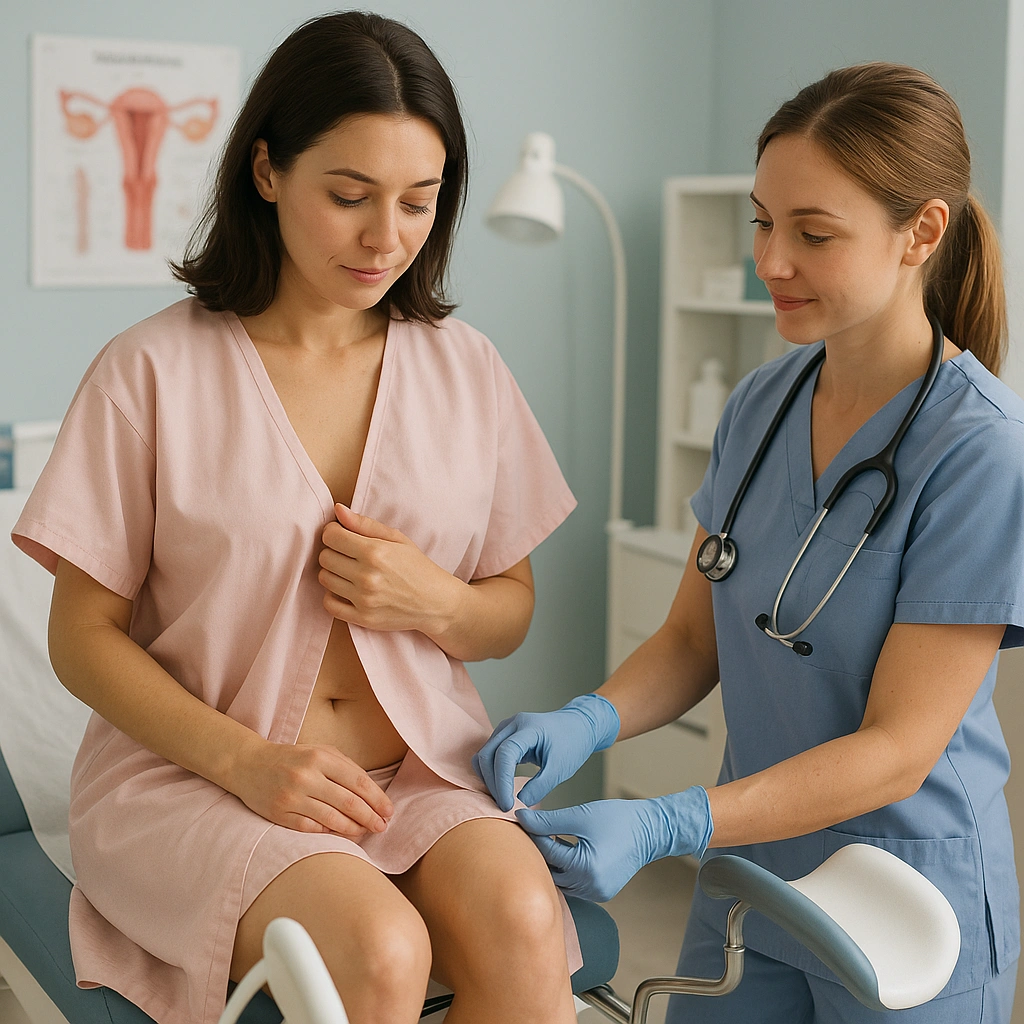
Gynecological health is a focal point of women's health care and includes screenings for cervical cancer through Pap smears and discussions about contraception options. Consider a scenario where a woman in her late twenties visits her healthcare provider for a routine exam. During the consultation, concerns about potential fertility issues arise. This is an ideal moment for the provider to discuss not only the patient’s immediate reproductive health but also future family planning, emphasizing the significance of preconception health and the potential benefits of folic acid supplementation.
Mental Health Awareness
Mental health is a crucial, yet often overlooked, aspect of women's health. Women may experience higher rates of anxiety and depression, particularly during significant life transitions such as pregnancy or menopause. A patient, perhaps a new mother, might express feelings of inadequacy or overwhelming fear of not meeting her child’s needs. In such cases, open dialogue about postpartum depression can prove beneficial. It’s important for healthcare providers to create a safe space for those conversations, equipping women with necessary resources and support systems.
Breast Health and Screening
Breast health is another critical component, with guidelines recommending regular mammograms starting at age 40, or earlier for those with a family history of breast cancer. For instance, a woman recently diagnosed with breast cancer may feel lost and overwhelmed. This is where the role of a compassionate healthcare provider becomes paramount, offering not just medical advice but also emotional support. Providing information on treatment options, including hormonal therapy or chemotherapy, and discussing lifestyle changes can empower patients on their health journeys.
Menopause Management
Menopause, often accompanied by symptoms such as hot flashes, mood swings, and sleep disturbances, is a natural biological process that can disrupt daily life. A woman in her 50s might approach her healthcare provider seeking help to manage these symptoms. Treatment options may include hormone replacement therapy or lifestyle modifications such as dietary changes and exercise. Individualized approaches ensure that each woman's unique experience with menopause is addressed, promoting a smoother transition into this new stage of life.
Heart Health
Cardiovascular health is vital for women, especially post-menopause when the risk of heart disease increases. A typical case would involve a 55-year-old female patient with high cholesterol and hypertension who seeks guidance for heart health. Primary prevention strategies could include dietary changes, increased physical activity, and regular monitoring of blood pressure and cholesterol levels. Educating women about their unique heart health risks is essential for fostering awareness and encouraging proactive measures.
Conclusion
Women’s health services are comprehensive and multifaceted, addressing a variety of issues that women may face at different life stages. By prioritizing regular check-ups, engaging in open conversations with healthcare providers, and being informed about health screenings and preventative measures, women can take charge of their health. Remember that a provider is not just there to treat illness but to foster a partnership in health management. Staying informed can empower you to make choices that align with your health goals and overall wellbeing.


