Signs You Need Newborn Care Education
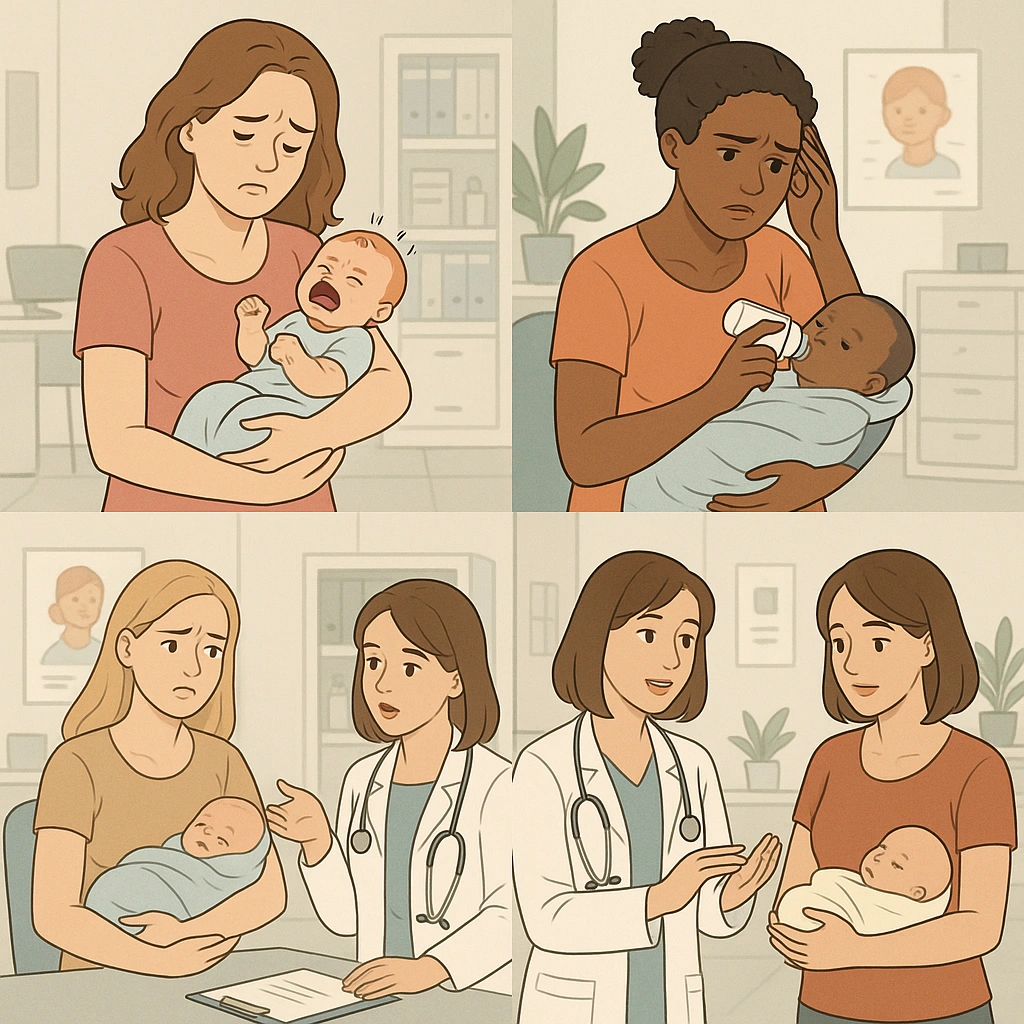
Signs You Need Newborn Care Education
Many women wonder if they have the knowledge needed to care for their newborns. The arrival of a baby can be both joyful and overwhelming, and understanding newborn care is crucial for both the baby’s health and the parents' peace of mind. There are two main approaches to newborn care education: formal classes and informal support from family and friends. Each has its own benefits and limitations.
Approach 1: Formal Newborn Care Classes
Formal newborn care classes are structured educational programs, often offered by hospitals or community health organizations. These classes typically cover a range of topics, including breastfeeding, diapering, bathing, and recognizing signs of illness in newborns.
Medical Overview
These classes are usually led by certified healthcare professionals, such as nurses or pediatricians, who provide evidence-based information. Participants learn about normal newborn development, safe sleep practices, and how to respond to common concerns, such as jaundice or feeding difficulties.
Pros
- Comprehensive Information: Formal classes offer structured content that ensures all critical areas are covered.
- Professional Guidance: Access to healthcare professionals who can answer specific questions and provide reliable advice.
- Peer Support: Opportunity to meet other new parents, creating a support network that can last beyond the class.
Cons
- Time Commitment: Classes can require a significant time investment, which may be challenging for new parents.
- Cost: Some classes may have fees associated, which can be a barrier for some families.
- Limited Personalization: Classes may not address specific family situations or concerns as deeply as desired.
When to Choose This Approach
If you are a first-time parent or feel uncertain about newborn care, formal classes can provide a strong foundation. They are particularly beneficial when preparing for the first few weeks with your newborn, as they equip you with practical skills and essential knowledge.
Approach 2: Informal Support from Family and Friends
Informal support involves learning from experienced family members or friends who have parenting experience. This approach can take the form of casual conversations, shared experiences, or hands-on demonstrations of caring for a newborn.
Medical Overview
While informal support may not be as structured or medically oriented as classes, it can offer practical, real-life insights. Family members can share personal anecdotes about newborn care, what worked for them, and how they handled challenges.
Pros
- Accessibility: Easily available, often requiring no special arrangements or costs.
- Personalized Advice: Tailored guidance that considers your specific situation and family dynamics.
- Emotional Support: Emotional bonding with family members as they share their experiences and encourage you.
Cons
- Variable Quality of Information: Advice may not always be evidence-based and can vary widely based on individual experiences.
- Missing Key Information: Important topics might be overlooked if the support system lacks expertise.
- Potential for Overwhelm: Too many opinions can lead to confusion and stress if not well-structured.
When to Choose This Approach
If you have access to knowledgeable family members or friends and prefer a more casual, hands-on learning style, informal support can be a great option. It is also helpful if you feel comfortable reaching out to people you trust for specific questions or advice.
Self-Care While Waiting
Regardless of which approach to newborn care education you consider, it's essential to practice self-care during this transitional period. Caring for a newborn can be exhausting, and taking care of your own well-being is crucial.
- Prioritize Rest: Whenever your baby sleeps, try to rest as well. Sleep deprivation can affect your health and parenting abilities.
- Stay Hydrated and Nourished: Keep a water bottle handy and prepare simple, nutritious meals to maintain your energy levels.
- Connect with Others: Reach out to friends or family for emotional support. Sharing your feelings can lighten the load.
- Practice Mindfulness: Engage in relaxation techniques, such as deep breathing or meditation, to manage stress effectively.
Medical Note
In our practice, we've found that both formal education and informal support can significantly impact a new parent's confidence and ability to care for their newborn. It’s important to consider your own unique learning style and needs when choosing an approach. Sometimes, a combination of both methods can provide the most rounded support.
Conclusion
Understanding the signs that you might need newborn care education is the first step toward feeling empowered as a new parent. Whether you opt for formal classes, informal support, or a mix of both, what matters most is that you feel prepared and supported. Newborn care education is an investment in your baby’s well-being and your confidence as a caregiver.


