What's Involved in Women's Health?
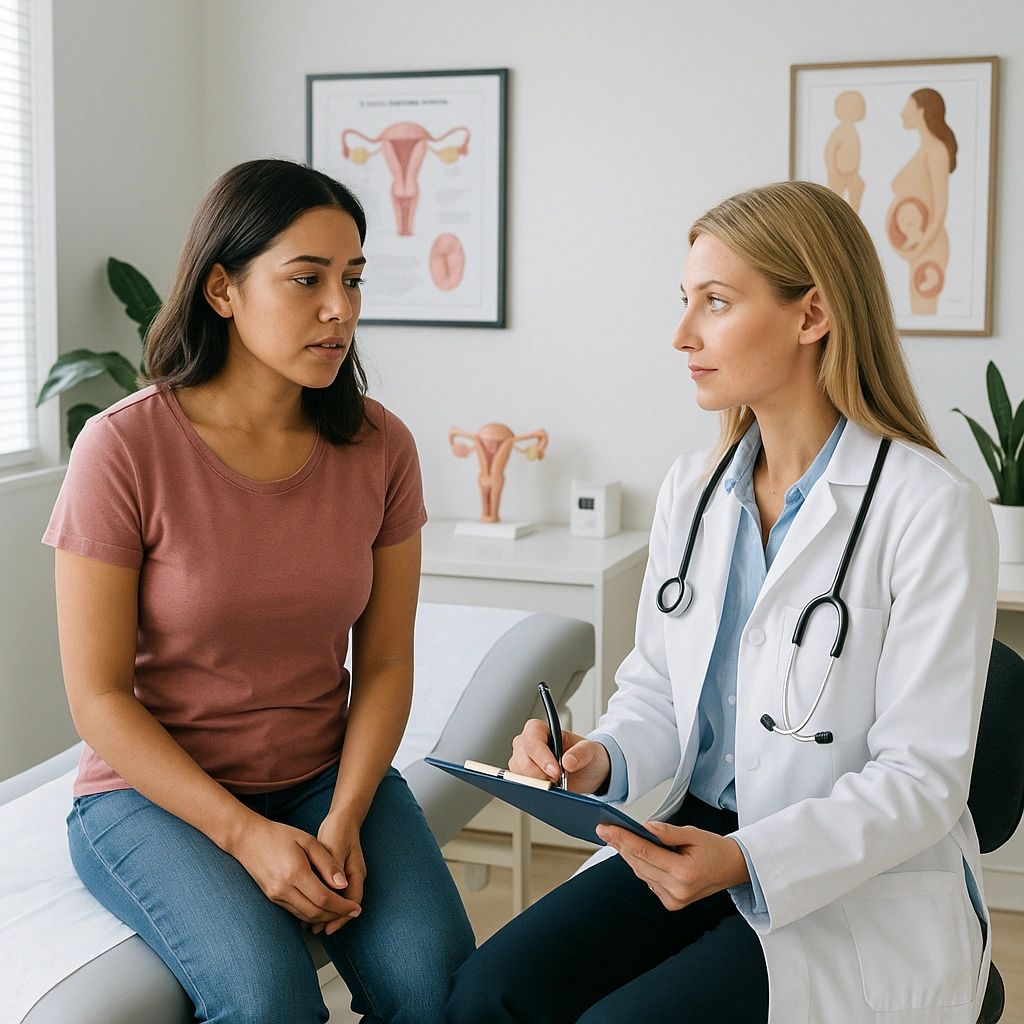
What's Involved in Women's Health?
Women's health encompasses a broad spectrum of services and medical care tailored specifically for women throughout various stages of their lives. This includes everything from routine screenings to more complex conditions. At the core of women's health is the understanding that healthcare needs can differ significantly due to unique physiological and hormonal changes that women experience. In this article, we will explore key aspects of women's health that are essential for maintaining overall well-being.
Understanding the Scope of Women's Health
Women's health services are not confined to reproductive health; they extend to encompass a wide array of physical and mental health concerns. For instance, women may encounter specific health issues such as menopause, menstrual disorders, pregnancy-related conditions, and the management of reproductive cancers, including breast and cervical cancer. Each of these areas requires specialized knowledge and often, a collaborative approach among healthcare providers.
Routine Check-ups and Screenings
Routine visits to a healthcare provider are crucial for women to maintain their health. These check-ups often include preventive services such as Pap smears, pelvic exams, and breast examinations. For example, a 35-year-old woman named Maria visited her clinic for her annual check-up. During her appointment, the healthcare provider performed a Pap smear and discussed her family history of breast cancer. This led to a more tailored conversation about her risk factors and the importance of regular screenings.
Reproductive Health
Reproductive health is a cornerstone of women's health services. Comprehensive care involves conversations around contraception, preconception counseling, and prenatal care. For example, Lisa, a 28-year-old expecting her first child, benefited from early prenatal care that included nutritional guidance and routine ultrasounds. This proactive approach allowed her to address potential health concerns early on, ensuring both her and her baby's well-being.
Menopause Management
As women transition into menopause, they may experience a variety of symptoms such as hot flashes, mood changes, and sleep disturbances. Effective management of these symptoms can significantly improve quality of life. Consider the case of Jane, a 52-year-old woman experiencing severe hot flashes. By consulting her healthcare provider, she learned about various treatment options, including hormone replacement therapy and lifestyle adjustments, which ultimately helped her regain control over her daily activities.
Mental Health Considerations
Mental health is an integral part of overall well-being, particularly for women who may face unique stressors, including hormonal changes related to menstruation, pregnancy, and menopause. Postpartum depression is one such challenge that many new mothers face. For instance, after the birth of her baby, Sarah struggled with feelings of sadness and anxiety. Through open dialogue with her healthcare team, she was able to access therapeutic resources and community support, illustrating the importance of mental health in the context of women's health.
Chronic Conditions and Preventive Care
Chronic health conditions such as diabetes, heart disease, and autoimmune disorders can disproportionately affect women. Early detection and management of these diseases are vital for improving outcomes. Take the example of Emily, a 45-year-old woman diagnosed with type 2 diabetes. With the support of her healthcare provider, she learned about dietary changes and the importance of regular exercise. This empowered her to take charge of her health, leading to successful blood sugar management.
Conclusion
Women's health is a multifaceted realm that requires a personalized and compassionate approach. From routine screenings to chronic condition management, understanding the unique health issues women face is essential for promoting overall well-being. It is important to engage in open discussions with healthcare professionals to navigate these health journeys effectively. By taking proactive steps towards health, women can ensure a healthier future for themselves and their families.


