Women's Health: A Patient's Guide
Women's Health: A Patient's Guide
Women's health encompasses a broad range of medical services tailored to meet the unique needs of women throughout their lives. From adolescence through menopause and beyond, the healthcare journey for women requires specialized knowledge and compassionate care. Understanding the variety of services available can empower patients to advocate for their own health and well-being.
Understanding Your Health Needs
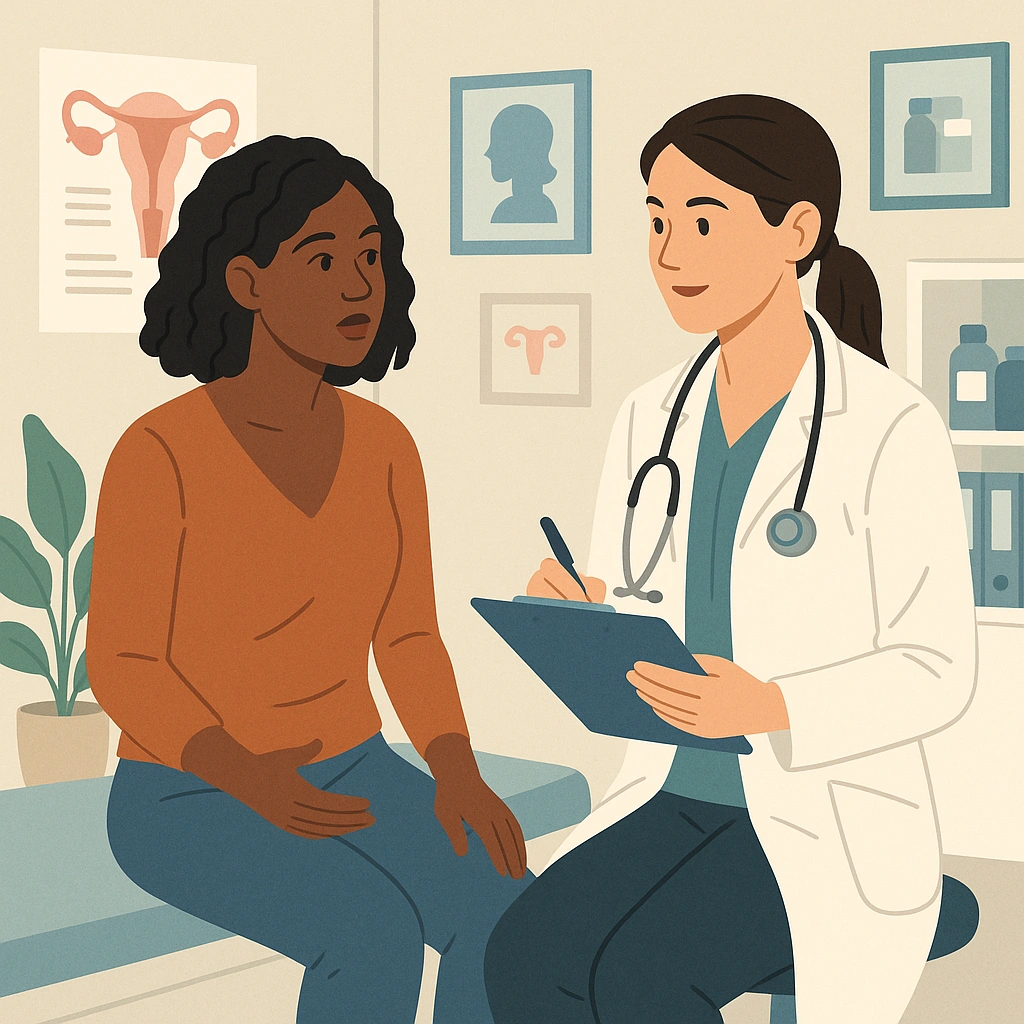
Women experience numerous health changes over their lifetimes, influenced by elements such as hormonal fluctuations, reproductive health, and aging. A typical scenario might involve a young woman visiting a clinic for the first time, anxious about her menstrual irregularities. This is a common concern that can be attributed to a range of causes, including stress, dietary changes, or hormonal imbalances. Consulting a healthcare provider can help identify appropriate tests and potential treatment options.
Routine Gynecological Care
Annual well-woman visits are crucial for maintaining reproductive health. These appointments provide an opportunity for screenings, including Pap smears to detect cervical cancer, breast exams, and discussions about contraception options. For instance, a patient might come in with questions about the best contraceptive method for her lifestyle. A healthcare provider can guide her through options such as hormonal birth control, IUDs, or natural methods, ensuring she makes an informed decision that suits her medical history and personal preferences.
Addressing Menstrual Issues
Many women experience menstrual discomfort or disorders such as endometriosis or polycystic ovary syndrome (PCOS). A patient experiencing severe pain during her period may hesitate to discuss it, feeling it’s a normal part of womanhood. However, it’s essential for her to know that such symptoms are not normal and that effective treatments exist. A healthcare provider can offer options ranging from lifestyle changes to medication, emphasizing that addressing these issues can significantly improve quality of life.
Prenatal and Postnatal Care
Pregnancy brings an array of physical and emotional changes, making comprehensive prenatal care vital. A woman may seek assistance after a positive pregnancy test and express anxiety over what steps to take next. Regular check-ups during this period are essential to monitor the health of both mother and baby, identify risks, and prepare for childbirth. Postpartum care is equally important, as new mothers face recovery challenges and mental health concerns such as postpartum depression. Access to support and education during this time helps ensure a healthier transition into motherhood.
Menopause and Beyond
As women enter menopause, they may experience a range of symptoms, including hot flashes, mood changes, and sleep disturbances. A patient might be confused about the changes occurring in her body and may worry about how these might affect her day-to-day life. Open conversations with healthcare providers can lead to effective symptom management strategies, including hormone replacement therapy or alternative treatments, allowing women to navigate this natural transition with confidence and support.
Focus on Preventive Care
Preventive health measures are fundamental in women's healthcare. Regular screenings can catch potential issues early, such as mammograms for breast cancer detection and bone density tests for osteoporosis risk. A case in point could involve a middle-aged woman newly diagnosed with high cholesterol, prompting her healthcare team to initiate lifestyle coaching and routine follow-ups to monitor her heart health. This proactive approach not only aims to prevent disease but also empowers women to take control of their health through informed choices.
Holistic Approaches to Women's Health
In addition to conventional medical treatments, many women are now exploring holistic approaches, including nutrition, exercise, and stress management techniques. A patient might seek to address chronic fatigue through lifestyle changes, turning to a healthcare provider for guidance on integrating more physical activity or mindfulness practices into her routine. The benefits of a holistic approach can be profound, enabling women to enhance their physical and mental well-being.
Conclusion
Women's health is a multifaceted field that requires attentive care and understanding. By recognizing individual health needs at different life stages and engaging in open discussions with healthcare providers, women can navigate their health journeys with confidence. Knowledge is empowerment, and proactive engagement with health services is key to living a vibrant, healthy life.


