Step-by-Step Postpartum Depression Screening Guide
Step-by-Step Postpartum Depression Screening Guide
Your health matters, especially after childbirth. It's important to prioritize your mental well-being. One area to focus on is postpartum depression (PPD), a condition that affects many new mothers. Here’s a practical guide to understanding two main approaches for screening PPD, with pros and cons for each. This can empower you to make informed decisions about your care.
Two Main Approaches for Screening Postpartum Depression
1. Standardized Screening Tools
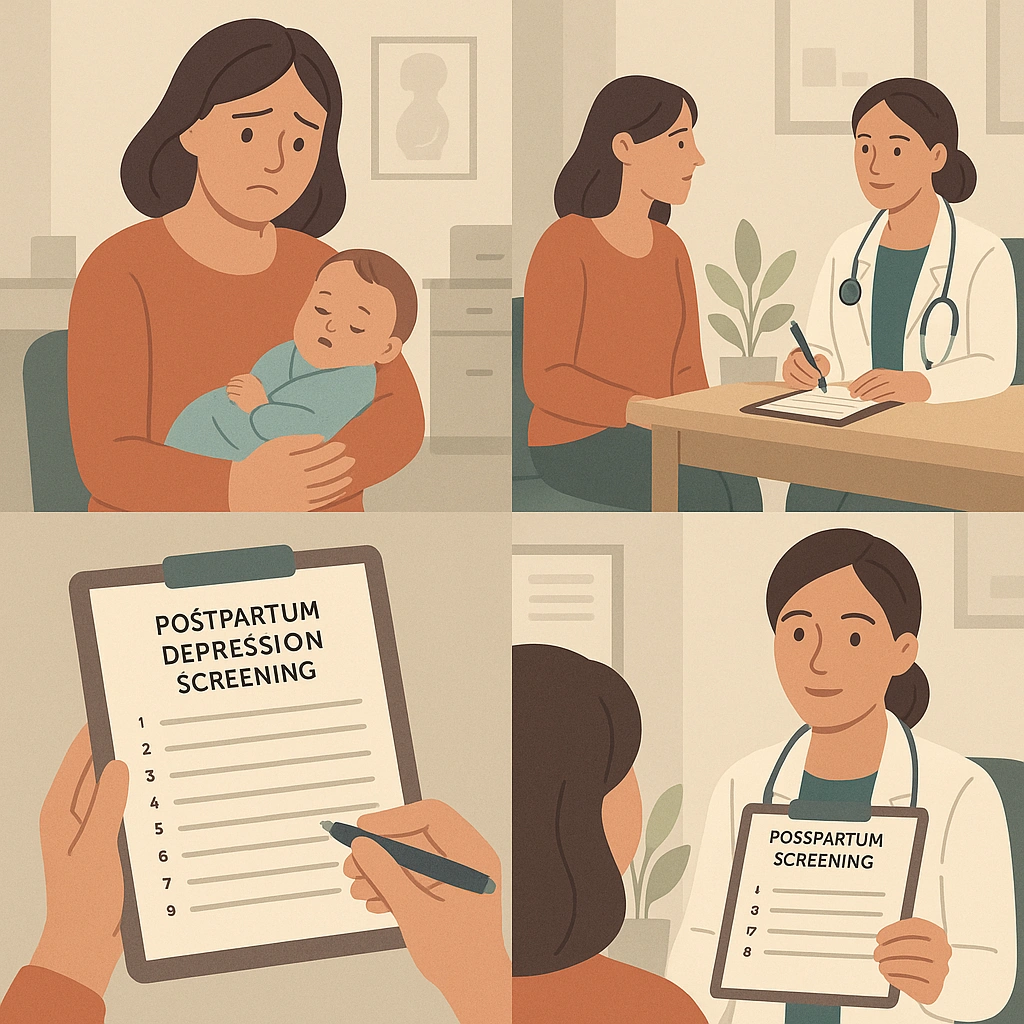
Standardized screening tools, like the Edinburgh Postnatal Depression Scale (EPDS), are questionnaires designed to identify symptoms of PPD. Typically, these assessments consist of 10 questions, which you can answer in about five minutes. They are often administered in a primary care or obstetric setting, during postpartum visits.
Pros
- Evidence-based: These tools have been validated through research and are reliable in detecting depressive symptoms.
- Quick and easy: The screening can be completed in a short amount of time, making it convenient for both patients and providers.
- Standard protocol: Many healthcare providers use this method, making it a familiar process.
Cons
- Potential for stigma: Some women may feel uncomfortable discussing their mental health issues, fearing judgment.
- False positives: These screenings may identify symptoms that don’t require treatment, leading to unnecessary anxiety.
Standardized screening tools are appropriate during routine postpartum visits. If you have any concerns or if you score high on the assessment, discuss your results with your healthcare provider for further evaluation or support.
2. Clinical Assessment by a Provider
This approach involves a more in-depth evaluation by a healthcare provider, like a physician or psychologist. They will conduct a detailed assessment through conversation, observing your mood, and discussing your experiences since childbirth. This method may include diagnostic interviews and consideration of your personal and family history of mental health issues.
Pros
- Tailored approach: Providers can customize their assessment based on your unique situation, leading to personalized care.
- Comprehensive evaluation: This method addresses underlying factors that standardized tools may miss, such as anxiety or past trauma.
- Greater continuity: A provider may offer follow-up support and resources tailored to your needs.
Cons
- Time-consuming: Clinical assessments can take longer than standardized screenings, which might be challenging for busy new mothers.
- Accessibility: Not all women may have immediate access to mental health professionals, depending on their location.
This approach is ideal if you have significant concerns about your mental health, or if you’ve experienced past mental health issues. It’s essential to have an open line of communication with your provider about your feelings and any symptoms you may be experiencing.
Self-Care While Waiting for Results
While waiting for your screening results or a follow-up appointment, it's important to prioritize self-care. Here are some helpful practices:
- Connect with support: Reach out to friends, family, or support groups. Discussing your feelings can alleviate stress and provide comfort.
- Mindfulness practices: Consider meditation or gentle yoga to help ground yourself and ease anxiety.
- Sufficient rest: Prioritize sleep whenever possible, even if it means taking short naps while your baby sleeps.
- Light exercise: Take a walk outside. Fresh air and movement can enhance your mood.
These actions can help maintain your mental health while navigating this challenging period.
When to Discuss Concerns with Your Provider
It’s crucial to have open discussions with your healthcare provider about your mental health. If you experience any of the following symptoms, reach out:
- Persistent sadness or hopelessness
- Inability to bond with your baby
- Loss of interest in activities you used to enjoy
- Changes in appetite or sleep patterns
- Feeling overwhelmed or unable to cope
Seeking help is a sign of strength, and discussing these feelings can lead to effective treatment options.
Conclusion
Understanding the options for postpartum depression screening can empower you to take control of your mental health. Both standardized screening tools and clinical assessments have their benefits and limitations. Depending on your situation and comfort level, you can choose the best approach for you. Remember, your well-being is a priority, and seeking support is essential.


