Step-by-Step Women's Health Guide
Step-by-Step Women's Health Guide
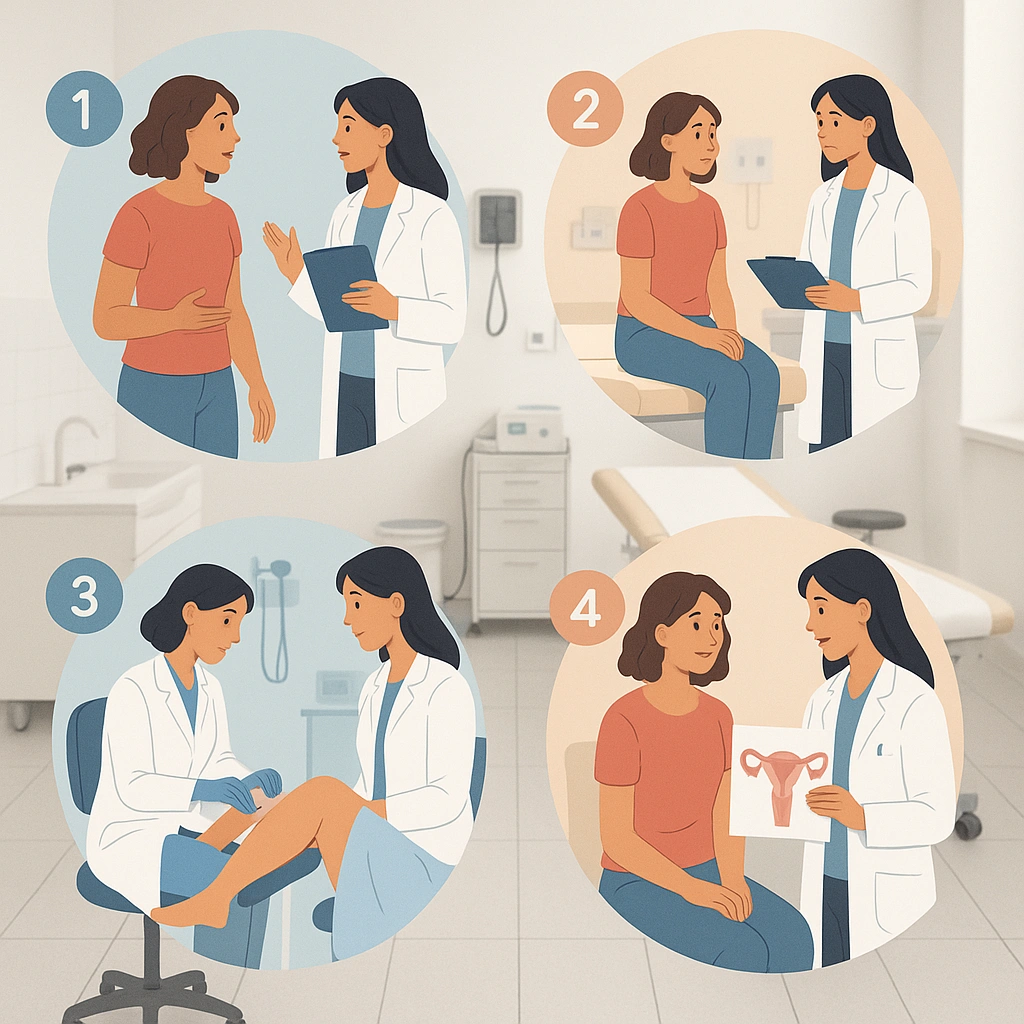
Women’s health encompasses a wide array of services tailored to meet the unique needs of patients throughout their lives. From routine check-ups to specialized treatments, navigating the world of women’s healthcare can sometimes feel overwhelming. This guide aims to break down the essential services and considerations in a step-by-step manner, helping you understand your health better.
Understanding Routine Health Screenings
Annual check-ups are a cornerstone of preventive healthcare. For instance, Sarah, a 32-year-old mother of two, recently visited for her annual well-woman exam. During her visit, her healthcare provider conducted a comprehensive assessment that included a pelvic exam, Pap smear, and breast examination. Routine screenings like these are fundamental in detecting potential issues early, such as cervical dysplasia or breast abnormalities, ensuring that treatment options can be implemented promptly if needed.
Importance of Regular Mammograms
Mammograms are vital for women aged 40 and above or younger women with risk factors such as family history. Lisa, a 45-year-old woman with a strong family history of breast cancer, scheduled her first mammogram as recommended. The screening revealed no abnormalities, providing her with peace of mind and reaffirming the necessity of regular screenings. Many healthcare providers emphasize that the benefits of early detection far outweigh the potential anxiety associated with screenings.
Addressing Reproductive Health
Reproductive health is another critical aspect of women’s health services. Conditions such as polycystic ovary syndrome (PCOS) affect many women, including 28-year-old Mia. After experiencing irregular periods and weight gain, Mia consulted her healthcare provider, who diagnosed her with PCOS. They discussed a treatment plan that included lifestyle modifications, medication, and regular monitoring, illustrating the importance of individualized care in addressing reproductive health issues.
Family Planning and Contraceptive Options
Family planning is a significant concern for many women. Options range from hormonal contraceptives to long-acting methods like IUDs. Emma, a 30-year-old graduate student, explored her options with her healthcare provider and opted for an IUD due to its long-term efficacy and convenience. During consultations, it’s crucial for women to discuss their lifestyle, future plans, and preferences, allowing healthcare professionals to guide them toward the most suitable contraceptive method.
Mental Health and Wellness
Mental health is an integral part of overall wellbeing. Women often experience unique stressors related to hormone fluctuations, pregnancy, and postpartum challenges. For example, Jessica, who recently gave birth, faced postpartum depression. Recognizing her symptoms, she sought help from her healthcare provider, who referred her to a mental health specialist. This acknowledgment and support highlight the importance of addressing mental health concerns in the context of women's health services.
Nutrition and Lifestyle Counseling
Health professionals frequently encourage women to consider lifestyle choices that impact their overall wellbeing. Nutrition and physical activity play essential roles in preventing chronic diseases. For instance, a 50-year-old woman named Karen received dietary counseling that stressed the importance of maintaining a balanced diet rich in whole foods while incorporating regular exercise to manage her blood pressure and cholesterol levels. Personalizing these recommendations based on individual health metrics helps each woman create a sustainable path to wellness.
Gynecological Conditions and Treatments
Women may experience various gynecological conditions, ranging from fibroids to endometriosis. Take Rachel, who experienced severe pelvic pain for months. After a thorough evaluation, her healthcare provider diagnosed her with endometriosis. This condition often requires a comprehensive approach, including medication, physical therapy, and sometimes surgery. Understanding the available treatment options empowers women to make informed decisions about their health.
Menopause Management
As women approach menopause, they may encounter various physical and emotional changes. Janet, at the age of 52, began experiencing menopausal symptoms such as hot flashes and mood swings. After discussing her symptoms with her healthcare provider, she explored hormone replacement therapy as a potential solution. This option can alleviate many of the discomforts associated with menopause, but it’s essential for women to weigh the benefits and risks with their provider’s guidance.
Building a Partnership with Your Healthcare Provider
Ultimately, the cornerstone of effective women's health services is the relationship with healthcare providers. Open communication is essential for addressing any concerns, asking questions, and establishing a health plan that respects individual preferences and needs. Women like Amelia have found success by taking an active role in their health, ensuring their voices are heard and needs met.


