The Complete Women's Health Guide
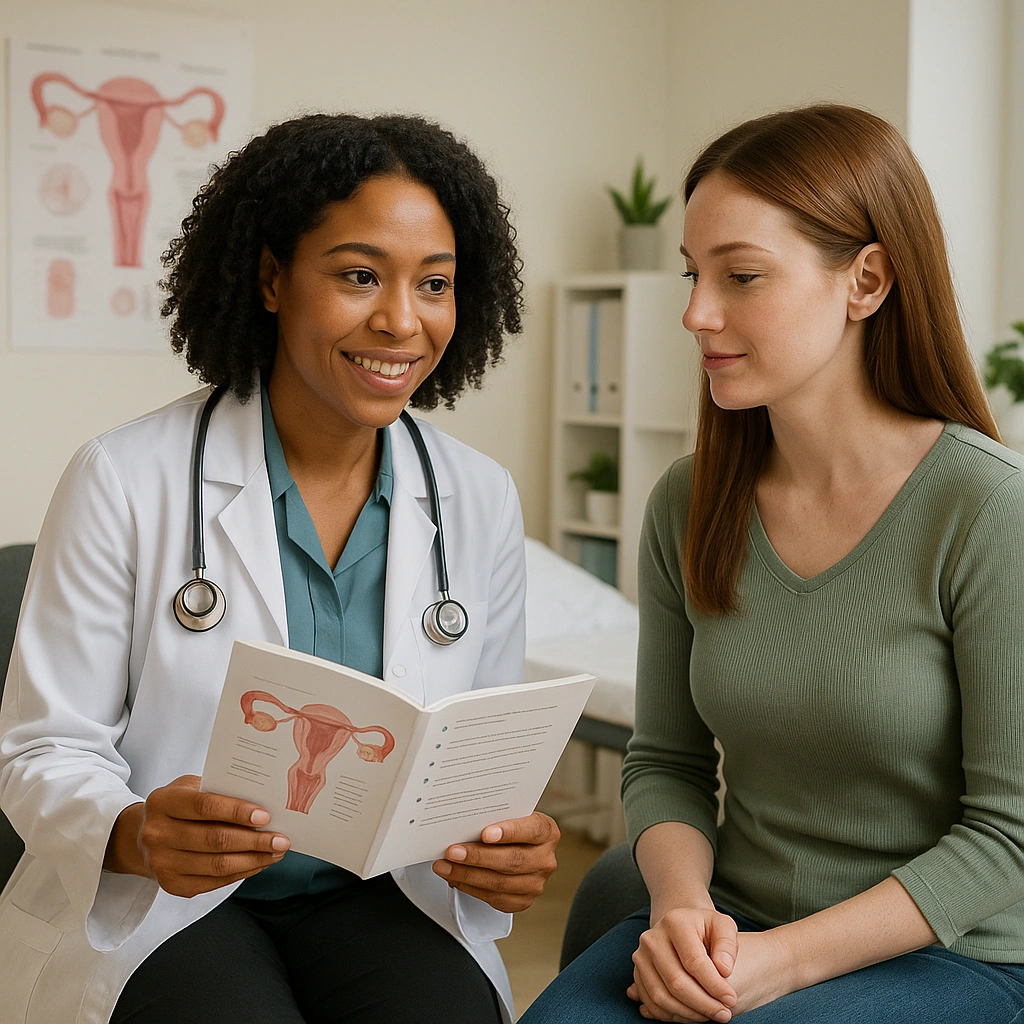
The Complete Women's Health Guide
Women’s health encompasses a range of services tailored to the unique healthcare needs of women throughout various stages of life. Understanding these services is crucial for maintaining optimal health and well-being. From reproductive health to preventive care, women face distinct health challenges and opportunities. This guide aims to outline essential services and considerations for women’s health, without falling into generic health content.
Reproductive Health
Reproductive health is vital for women of all ages and includes a variety of services focused on family planning, menstrual health, and menopause management. For instance, a young woman seeking guidance on birth control may feel overwhelmed with options. A healthcare provider can help navigate hormonal methods, intrauterine devices (IUDs), and natural family planning techniques, ensuring that choices align with her lifestyle and health goals.
Menstrual Disorders
Many women experience menstrual disorders, such as irregular periods or severe cramps, commonly referred to as dysmenorrhea. For example, a 30-year-old woman might visit her doctor due to debilitating pain during her period. Through a comprehensive evaluation that includes her medical history and possibly imaging tests, the physician can diagnose conditions like endometriosis or fibroids and recommend effective management strategies. Treatment options may include medications, lifestyle changes, or even surgical interventions in more severe cases.
Pregnancy and Prenatal Care
Pregnancy marks a significant time in a woman's life that requires specialized care. Early and consistent prenatal visits are crucial for monitoring both maternal and fetal health. For instance, a first-time mother may have concerns about nutrition, exercise, and screening tests. Healthcare providers encourage regular check-ups, blood tests, and ultrasounds to track development and catch any potential issues early. A supportive healthcare provider not only addresses physical health but also emotional wellness, which is equally critical during this transformative time.
Postpartum Care
After childbirth, attention to postpartum health is essential. Issues such as postpartum depression (PPD) can arise, affecting emotional well-being and family dynamics. A recent mother may find herself feeling anxious or detached from her baby. Awareness and open conversations about these feelings are essential. Healthcare providers can offer resources and therapies that support recovery, emphasizing that seeking help is a sign of strength, not weakness.
Preventive Health Services
Preventive health services play a crucial role in women's health, focusing on early detection and management of health issues. Regular screenings, such as Pap smears and mammograms, are fundamental in catching conditions like cervical cancer and breast cancer early. Women in their 20s should begin routine Pap tests and continue based on the provider's guidelines. A provider may recommend a mammogram starting at age 40 or earlier for those at higher risk. These screenings are vital for long-term health and should never be overlooked.
Chronic Conditions Management
Women are also susceptible to chronic conditions such as diabetes, hypertension, and heart disease. For example, a 50-year-old woman diagnosed with high blood pressure should work closely with her healthcare provider to manage her condition effectively. This may involve lifestyle modifications such as diet and exercise, along with necessary medications. Regular monitoring and education about managing chronic conditions can significantly improve quality of life and reduce progression risks.
Sexual Health
Sexual health is another crucial aspect of women's health that deserves attention. Regular check-ups can help address sexually transmitted infections (STIs), libido concerns, or changes in sexual health. A 25-year-old woman might seek advice regarding STI testing or contraceptive options. Empowering women with knowledge about their sexual health can foster healthier relationships and more informed choices about their bodies.
Conclusion
Women's health is a multifaceted field addressing unique needs throughout all life stages. From reproductive health to preventive care, understanding these services empowers women to take an active role in their health. Building a trusting rapport with healthcare providers, such as those available locally, can lead to better health outcomes and a supportive path through life's changes.


